Use Journaling to Strengthen Your Self-Control
In a fast-paced world filled with distractions and temptations, self-control can often feel like an elusive trait. Whether it's resisting the urge to binge-watch your favorite series instead of hitting the gym, or choosing to snack on healthy foods rather than junk, self-control is a necessary component of personal growth and well-being. One powerful tool that can aid in cultivating self-control is journaling. In this post, we’ll explore how journaling can strengthen your self-control and provide practical tips for getting started.
Understanding Self-Control
Self-control can be defined as the ability to regulate one’s emotions, thoughts, and behavior in the face of temptations and impulses. It plays a critical role in various aspects of life, including relationships, career advancement, and personal health. However, self-control is not a fixed trait; it is a skill that can be developed over time. Research has shown that self-control can be improved through various practices, and journaling is one of the most effective methods.
The Benefits of Journaling for Self-Control
1. Enhanced Self-Awareness
Journaling provides an opportunity for self-reflection. By putting your thoughts and feelings on paper, you can gain insights into your behavior and the triggers that lead to succumbing to temptation. This enhanced self-awareness is the first step in strengthening self-control. When you understand what prompts you to lose control, you can devise strategies to counteract those triggers.
2. Setting Clear Goals
When you journal, you have the space to articulate your personal goals clearly. Writing down specific, achievable goals related to self-control—like cutting back on sugary snacks or limiting your screen time—can serve as a commitment to yourself. Additionally, when you regularly review these goals in your journal, you re-affirm your intentions and develop a clearer path to achieving them.
3. Tracking Progress
Journaling allows you to document your progress over time. You can record both your successes and setbacks, which not only helps in assessing where improvements can be made but also keeps you motivated. Celebrating small victories, even if they're minor, can boost your confidence and reinforce your commitment to self-control.
4. Emotional Outlet
Many find that writing in a journal serves as a healthy emotional outlet. Stress, anxiety, and other negative emotions can often lead to poor decision-making and a lack of self-control. By expressing these emotions on paper, you can work through them in a safe space, reducing the likelihood that you will act impulsively in response to those feelings.
5. Developing Positive Habits
Regular journaling can help facilitate the development of positive habits. By creating a routine around journaling—whether it’s daily, weekly, or whatever works for you—you establish a habit that fosters discipline and routine. Over time, this sense of structure can help reinforce other positive changes you want to make in your life.
How to Get Started with Journaling
Now that we’ve explored the benefits of journaling in enhancing self-control, you might be wondering how to incorporate this practice into your life. Here are some practical steps to get you started:
Step 1: Choose Your Medium
Decide whether you prefer to write in a physical notebook or use a digital platform. There are benefits to both—writing by hand can foster deeper connections to your thoughts and feelings, while digital tools often offer ease of access and organization. Choose what works best for your style and lifestyle.
Step 2: Create a Routine
Consistency is key in journaling. Set aside a specific time each day or week to journal. Whether it’s in the morning as a way to set intentions for the day, or in the evening to reflect on the day’s events, find a routine that aligns with your schedule and stick to it.
Step 3: Start Simple
If you're new to journaling, you don't need to write lengthy entries. Start with a few sentences about how your day went, what moments challenged your self-control, and any successes you experienced. You can also use prompts, such as:
- What was the most challenging temptation I faced today?
- How did I respond to that temptation, and why?
- What can I learn from today’s experiences in relation to self-control?
Step 4: Reflect Regularly
Go back and review your entries regularly. Reflection will help you identify patterns in your behavior and emotional responses. As you gain insights, adjust your strategies and goals accordingly.
Step 5: Use Visual Tools
If you are a visual learner, consider incorporating diagrams, charts, or even doodles into your journal. This can make tracking your self-control efforts more engaging and informative.
Step 6: Stay Positive
It’s easy to dwell on setbacks, but it’s essential to celebrate progress, no matter how small. Write about your achievements, no matter how minor they may seem. Focusing on the positives will keep you motivated to continue working on your self-control.
Conclusion
Journaling is a powerful tool that fosters self-awareness, accountability, and emotional regulation—key components in strengthening self-control. Through consistent reflection and documentation, you can cultivate a deeper understanding of your behavior, set clear goals, and celebrate your achievements. As you incorporate journaling into your life, remember that building self-control is a journey, not a destination. Embrace the process, be patient with yourself, and watch as you develop stronger self-control over time.
Whether you’re looking to make healthier life choices, enhance your relationships, or improve your productivity, utilizing journaling as a strategy can lead you to greater self-control and allow you to take charge of your life.
Happy Journaling!
Start Mastering Self-Discipline Today
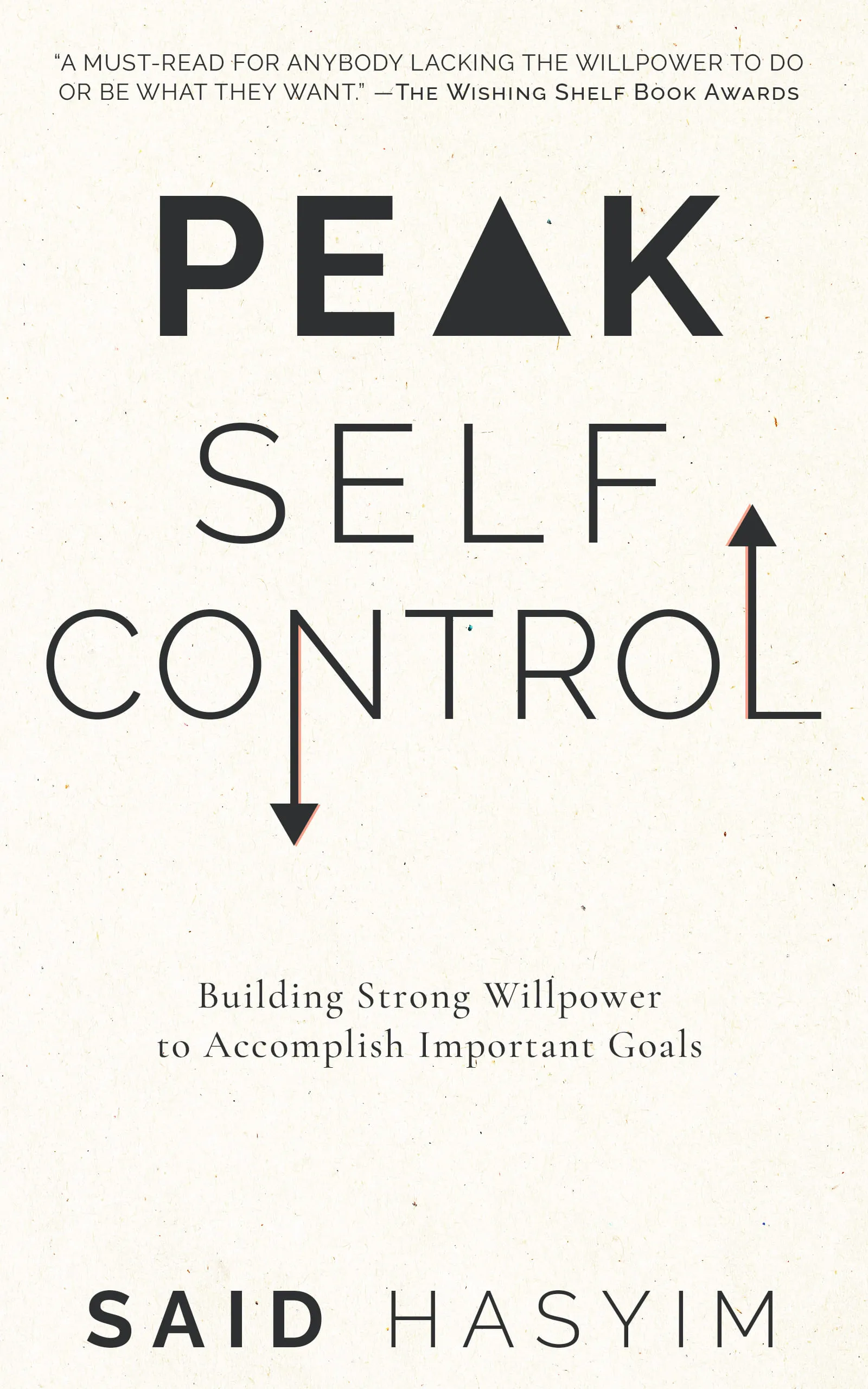
Discover Peak Self-Control, a practical book to mastering self-discipline. Break free from distractions, build healthier habits, and improve your relationships. Gain effective strategies to enhance your willpower and make meaningful life changes, even amidst a busy schedule. Small adjustments can lead to significant improvements in your daily routine.