Understanding the Psychology of Self-Control
Self-control is one of the most essential skills we can develop in our daily lives. It plays a crucial role in almost every aspect of our existence, from achieving personal goals to maintaining healthy relationships. From dietary discipline to financial management, the capability to resist immediate temptations for long-term benefits is foundational in shaping our wellbeing and future success. In this blog post, we will explore the psychology of self-control, including its definition, underlying mechanisms, challenges it entails, and strategies to improve it.
What is Self-Control?
Self-control can be broadly defined as the ability to regulate one’s emotions, thoughts, and behaviors in the face of temptations and impulses. It allows individuals to prioritize long-term benefits over immediate gratifications, helping them make decisions that align with their goals and values. This regulation can manifest in various forms; for instance, resisting the urge to indulge in unhealthy food, procrastinating tasks, or refraining from negative behaviors.
Theoretical Perspectives
The study of self-control spans various disciplines, including psychology, neuroscience, and behavioral economics. At its core, self-control is often framed through two main theoretical perspectives:
The Strength Model of Self-Control: This model posits that self-control is a finite resource that can be depleted with overuse. Just like a muscle, the more we use self-control in one area, the less we have available for other areas, leading to what psychologists call "ego depletion." This phenomenon explains why people might exhibit poor self-control later in the day after exerting significant self-regulatory effort earlier.
The Dual-System Model: This perspective suggests that our behavior is influenced by two competing systems: the automatic system, which is impulsive and emotional, and the reflective system, which is more rational and deliberative. Self-control therefore becomes a matter of training our reflective system to override the automatic impulses that can lead us astray.
The Challenges of Self-Control
Despite its importance, self-control does not come naturally to everyone. Various factors can pose challenges to our ability to exert self-control effectively:
1. Temptation and Environment
Our surroundings heavily influence our capacity for self-control. Cashing in on the availability of tempting foods, the presence of distractions at work, or even the social environment can challenge our resolve.
2. Emotional States
People often struggle with self-control when they are experiencing intense emotions. Stress, anxiety, or even happiness can trigger impulsive behaviors as individuals seek to boost their mood or alleviate discomfort.
3. Cognitive Overload
When faced with an overwhelming number of choices or excessive information, our capacity for self-control can diminish. Cognitive overload can lead to decision fatigue, making it harder to resist temptations.
4. Habitual Behavior
Once behaviors become habits, they can operate below our conscious awareness. Breaking habits often requires significant self-control, making it difficult to switch to healthier or more productive alternatives.
Strategies for Improving Self-Control
While the challenges of self-control may appear daunting, there are numerous strategies that individuals can utilize to enhance their self-regulatory capacity:
1. Set Clear Goals
Establishing specific, measurable, achievable, relevant, and time-bound (SMART) goals can help direct focus. Clear goals make it easier to monitor progress and maintain motivation when temptations arise.
2. Implement the "If-Then" Strategy
Planning for temptations by using "if-then" statements can prepare individuals for potential triggers. For example, “If I feel the urge to snack, then I will reach for a piece of fruit instead.”
3. Practice Mindfulness
Mindfulness practices such as meditation teach individuals to become more aware of their thoughts and feelings. This heightened awareness can help attendees recognize urges without acting on them impulsively.
4. Create a Supportive Environment
By minimizing exposure to temptations and surrounding oneself with supportive individuals, the likelihood of success increases. This could involve decluttering an environment or seeking accountability through friends or community groups.
5. Incremental Change
Instead of attempting to overhaul behaviors overnight, aim for small, manageable changes. Incremental shifts are often easier to sustain and can lead to gradual improvements in self-control.
6. Cultivating Resilience
Self-control can be strengthened by developing resilience. Overcoming setbacks and learning from failures can enhance one’s ability to maintain self-regulatory efforts in the face of challenges.
7. Take Care of Yourself
Physical well-being plays a significant role in self-control. Adequate sleep, regular exercise, and a balanced diet contribute positively to mental health and cognitive function, thereby enhancing self-control.
Conclusion
Understanding the psychology of self-control is not only insightful but also beneficial in enhancing our lives. By recognizing the theories, challenges, and strategies associated with self-control, we can take conscious steps to improve our self-regulatory abilities. As we navigate a world full of distractions and temptations, honing our self-control becomes not just a goal but a necessity for achieving long-term success and personal development.
Whether it's opting for a healthy snack over junk food, studying for an exam instead of binge-watching a series, or managing finances responsibly, self-control is undeniably a vital skill. By investing in strategies that support self-regulation, we pave the way to a more balanced and fulfilling life.
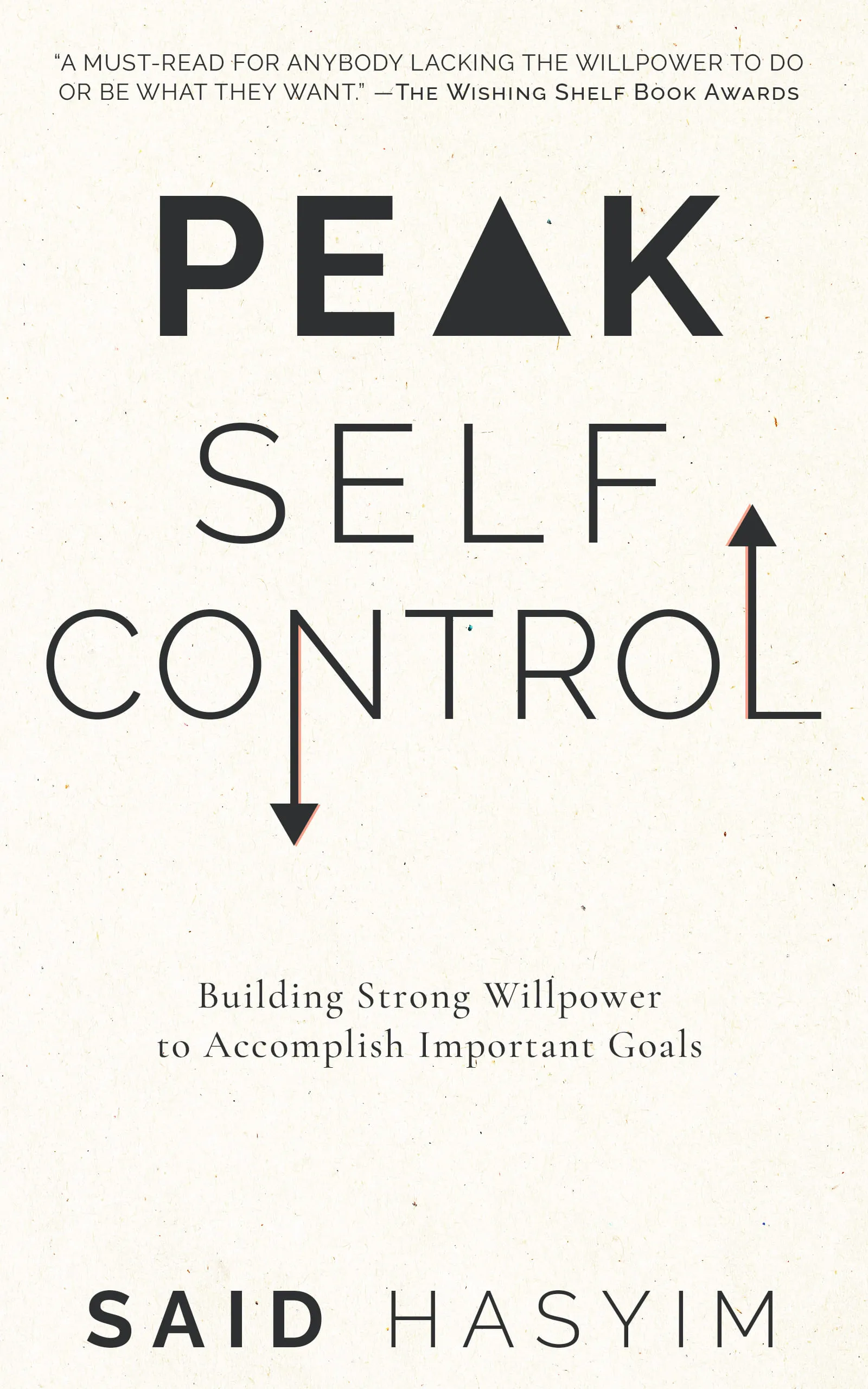
Start Mastering Self-Discipline Today
Discover Peak Self-Control, a practical book to mastering self-discipline. Break free from distractions, build healthier habits, and improve your relationships. Gain effective strategies to enhance your willpower and make meaningful life changes, even amidst a busy schedule. Small adjustments can lead to significant improvements in your daily routine.