Understanding Impulse Control for Goal Achievement
Introduction
In today’s fast-paced world, the ability to control our impulses is vital for achieving personal and professional goals. Impulse control refers to the capacity to resist the temptation to act immediately on external stimuli, providing a buffer that allows an individual to consider the consequences of their actions. It plays a crucial role in decision-making processes, emotional regulation, and the cultivation of long-term success. In this blog post, we'll delve into the mechanics of impulse control, explore its significance for goal achievement, and provide practical strategies for enhancing this essential skill.
What is Impulse Control?
Impulse control is a fundamental aspect of self-regulation that enables us to manage our emotions, thoughts, and behaviors in pursuit of long-term goals. It involves the ability to delay gratification, prioritize tasks, and stay focused on objectives despite distractions. Impulse control is not merely about abstaining from risky behaviors but also encompasses the ability to exercise good judgment, make informed decisions, and engage in goal-oriented actions.
The Science Behind Impulse Control
At a psychological level, impulse control is often linked to executive functions—cognitive processes that help us plan, focus attention, remember instructions, and juggle multiple tasks. These functions are primarily facilitated by the prefrontal cortex, the area of the brain located at the front that is responsible for higher-order thinking.
Research has indicated that individuals with stronger impulse control are more likely to achieve their goals, as they can resist immediate temptations and prioritize long-term rewards. In contrast, a lack of impulse control can lead to various challenges, including procrastination, poor decision-making, and difficulty in maintaining motivation.
Why is Impulse Control Important for Goal Achievement?
1. Prioritizing Long-Term Goals
Impulse control is essential for distinguishing between short-term desires and long-term ambitions. When pursuing goals, we often encounter distractions or immediate gratifications that tempt us away from our objectives. A robust ability to manage these impulses fosters a focus on what truly matters, allowing individuals to allocate their time and resources more effectively.
2. Enhancing Decision-Making
Every goal requires a series of decisions that can either propel us forward or hinder our progress. Strong impulse control empowers us to pause, reflect, and analyze our options, leading to better choices. By weighing the benefits and consequences of our actions, we are less likely to engage in detrimental or impulsive behaviors that could derail our efforts.
3. Building Resilience
The road to goal achievement is often fraught with challenges. Impulse control provides the resilience needed to withstand setbacks and remain persistent in the face of adversity. Those who can regulate their impulses are better equipped to handle stress and maintain motivation, ultimately fostering a growth mindset that embraces learning and adaptation.
4. Fostering Healthy Relationships
In both personal and professional realms, the ability to control impulses contributes to healthier relationships. By practicing patience and understanding, we can communicate more effectively and negotiate better. This is especially important in collaborative environments where teamwork and synergy play a critical role in achieving common goals.
Strategies to Improve Impulse Control
While impulse control may seem inherent, it is a skill that can be cultivated over time. Here are some actionable strategies to enhance your impulse control, making it easier to achieve your goals.
1. Set Clear Goals
Establishing specific, measurable, attainable, relevant, and time-bound (SMART) goals provides clarity and direction. When you know exactly what you want to achieve, it becomes easier to resist distractions and stay focused. Break your goals into smaller milestones and celebrate each accomplishment to maintain motivation.
2. Practice Mindfulness
Mindfulness is the practice of being present and fully engaged in the moment without judgment. By incorporating mindfulness techniques such as meditation or deep breathing, you can enhance your awareness of impulses as they arise. This awareness creates a mental space to evaluate your options before reacting impulsively.
3. Delay Gratification
One effective way to build impulse control is to intentionally practice delaying gratification. Instead of indulging immediately, challenge yourself to wait for a specified time before acting on the impulse. This exercise strengthens your self-regulation muscles and encourages you to appreciate the long-term benefits of patience.
4. Identify Triggers
Take note of the situations, environments, or emotions that provoke impulsive behavior. By understanding your triggers, you can develop strategies to mitigate them. For instance, if stress leads you to overeat, consider healthier coping mechanisms such as exercise or journaling.
5. Create a Supportive Environment
Surround yourself with individuals who have a positive influence on your goals. Seek out accountability partners who can help keep you focused and grounded. Establishing a supportive environment can reinforce your commitment to maintaining impulse control and pursuing your objectives.
6. Limit Temptations
Simplifying your surroundings can significantly improve impulse control. Minimize distractions and remove temptations that may lead you off course. For example, if you are trying to reduce screen time, consider using apps that limit usage or designating specific technology-free zones in your home.
7. Engage in Positive Self-Talk
Self-talk influences your beliefs and behaviors. Replace negative self-talk with affirmations that promote patience, resilience, and commitment to your goals. Encouraging yourself with positive statements can boost confidence and diminish the likelihood of yielding to impulsive actions.
Conclusion
Impulse control is a powerful tool that can pave the way for successful goal achievement. By understanding its significance, identifying strategies to enhance this skill, and remaining committed to personal growth, you can navigate the complexities of life and work more effectively. Whether striving for personal milestones or professional aspirations, mastering impulse control can empower you to stay focused on what truly matters, resist distractions, and ultimately reach your desired outcomes.
Remember, the journey of mastering impulse control is a continuous process. Start small, be patient with yourself, and celebrate your progress along the way. Each decision to pause and reflect brings you one step closer to a more fulfilling, goal-oriented life.
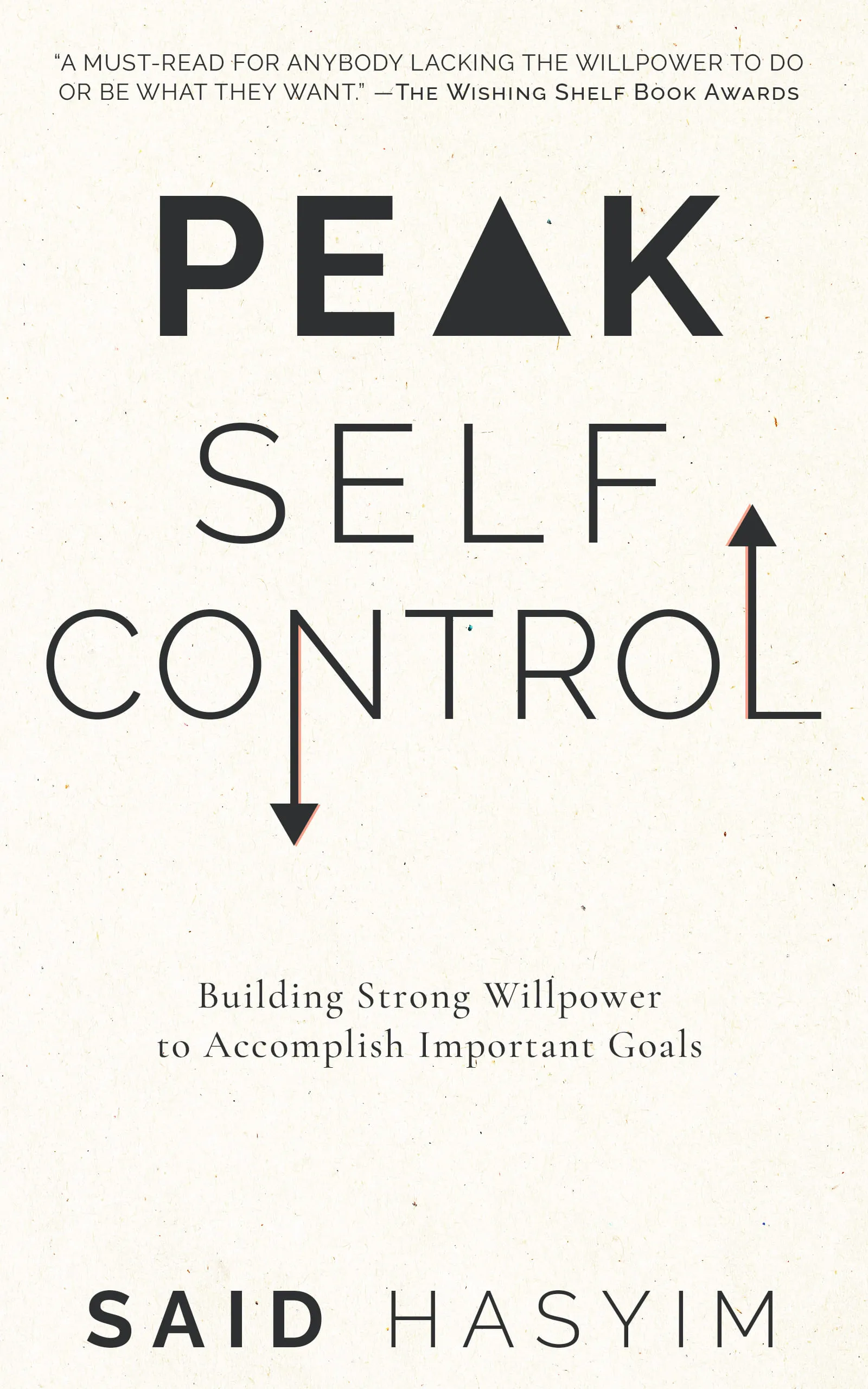
Start Mastering Self-Discipline Today
Discover Peak Self-Control, a practical book to mastering self-discipline. Break free from distractions, build healthier habits, and improve your relationships. Gain effective strategies to enhance your willpower and make meaningful life changes, even amidst a busy schedule. Small adjustments can lead to significant improvements in your daily routine.