Uncovering Your Values to Strengthen Self-Control
Self-control is often heralded as one of the most essential skills for achieving personal success and happiness. But what drives our ability to exercise self-control? What are the roots of that important inner strength? The answer lies in our values—the guiding principles that inform our choices and behaviors. By uncovering and clarifying our values, we can cultivate a stronger sense of self-control, enabling us to stay on track even in the face of temptations. In this blog post, we will explore the connection between values and self-control, provide strategies for uncovering your core values, and discuss how to integrate these values into your daily life for improved self-discipline.
The Connection Between Values and Self-Control
Values are deeply held beliefs that shape our worldview and influence our decision-making process. They guide our actions, inform our judgments, and help us prioritize what truly matters. When we align our behavior with our values, we naturally develop a stronger capacity for self-control.
Consider this: when faced with a choice—be it resisting a sugary treat, staying late at work, or making time for self-care—our decision will largely depend on how well that choice aligns with our core values. If we value health and well-being, we will find it easier to resist the sugary treat. On the other hand, if work and ambition are our primary values, we may find ourselves sacrificing personal time for professional gain.
In essence, self-control flourishes when our actions resonate with our values. Conversely, when we act against our values, we often experience conflict, leading to a lack of motivation, feelings of guilt, and diminished self-control.
Steps to Uncover Your Values
Reflect on Your Life Experiences Take the time to think back on moments in your life that gave you joy, fulfillment, or a sense of purpose. These experiences can provide clues about what you value. Ask yourself questions such as:
- What activities make me feel most alive?
- When do I feel proud of my actions?
- What achievements bring me the most satisfaction?
Identify Role Models Think about the people you admire and why you admire them. What qualities or values do they embody that resonate with you? This reflection can help clarify your own values.
Examine Your Reactions Pay attention to your emotional reactions to various situations—both positive and negative. Strong emotions can signal deeply held values. For instance, feeling angry about injustice might indicate that you value fairness or equity.
Create a Values List Write down a list of values that seem important to you. Then, refine this list by narrowing it down to five or six core values that truly resonate. It might be helpful to categorize your values (e.g., family, health, integrity, growth) to get a clearer picture.
Prioritize Your Values Once you have identified your core values, prioritize them. Ask yourself:
- Which of these values do I hold most dear?
- How do these values interact with one another? (For instance, does valuing career advancement conflict with valuing family time?)
Visualize Your Future Envision your ideal life. What values would be central to that vision? Consider how each of these values would manifest in your everyday choices and long-term goals.
Integrating Your Values into Daily Life
Once you have uncovered your core values, the next step is to align your daily actions with them. Here are some strategies for integrating your values into your routine:
1. Set Clear Goals
Create specific, actionable goals that reflect your values. For example, if you value health, set a goal to exercise regularly or prepare healthy meals several times a week.
2. Practice Mindfulness
Mindfulness helps increase awareness of your thoughts, feelings, and behaviors. This self-awareness is crucial for recognizing when you're straying from your values. Consider incorporating mindfulness practices, such as meditation or journaling, into your routine.
3. Develop a Support System
Surround yourself with individuals who share your values. Engage in conversations about your goals and aspirations, and ask for their support and accountability as you strive to uphold your values.
4. Reframe Temptations
When trying to resist a temptation, consciously remind yourself of your values and the goals that stem from them. For instance, instead of focusing solely on the pleasure of indulging in a treat, consider how valuing health can lead to a more rewarding life.
5. Review and Reflect Regularly
Set aside time to periodically evaluate how well you are living in alignment with your values. Reflect on successes and setbacks, and adjust your goals and strategies accordingly.
Conclusion: The Journey of Self-Discovery
Uncovering your values is a personal journey that requires introspection and honesty. It is an ongoing process of growth and discovery. By taking the time to reflect on what truly matters to you, you empower yourself to strengthen your self-control and make conscious decisions that align with your authentic self.
Embracing your core values will not only improve your self-discipline but also lead to a more fulfilling life, characterized by consistency and satisfaction. As you navigate life's challenges and choices, remember that your values are your compass, guiding you toward a path of purpose and meaning.
Be patient with yourself during this process, and celebrate the small victories along the way. Ultimately, uncovering your values is not just about improving self-control—it's about crafting a life that feels true to you. Happy discovering!
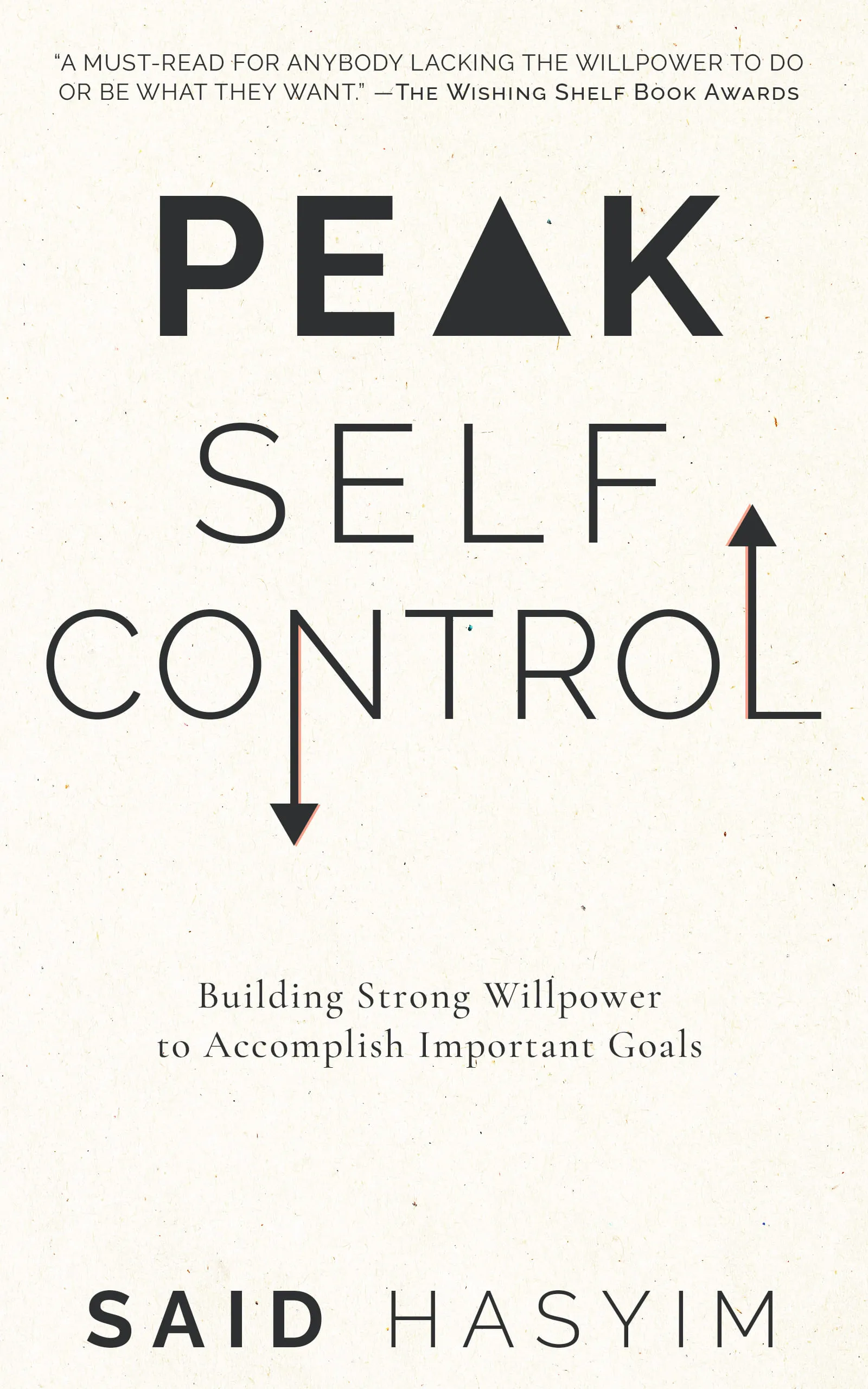
Start Mastering Self-Discipline Today
Discover Peak Self-Control, a practical book to mastering self-discipline. Break free from distractions, build healthier habits, and improve your relationships. Gain effective strategies to enhance your willpower and make meaningful life changes, even amidst a busy schedule. Small adjustments can lead to significant improvements in your daily routine.