The Science of Habits: Building Strong Self-Control
Habits are the invisible architecture of everyday life. They guide our actions, shape our decisions, and ultimately define who we are. From brushing our teeth in the morning to reaching for our phones during idle moments, habits play a critical role in our daily routine. But what is the science behind how habits are formed and maintained, and how can we leverage this understanding to build stronger self-control? In this post, we will explore the mechanisms of habit formation and share practical strategies for cultivating self-control in our lives.
The Habit Loop
At the core of habit formation is a neurological pattern known as the Habit Loop. This loop consists of three key components:
Cue: The trigger that initiates the habit. It could be a time of day, an emotional state, or an environmental cue.
Routine: The behavior or action taken in response to the cue. This is the habit itself.
Reward: The positive reinforcement that follows the routine, which strengthens the habit. Rewards can be intrinsic, like the satisfaction from completing a task, or extrinsic, such as treats or praise.
Understanding the Habit Loop is essential for individuals looking to build self-control. By identifying the cues that trigger unwanted habits, we can work to replace the routines or change our environment to encourage better behavior.
Example of the Habit Loop
Let's break down the habit loop with a practical example:
- Cue: You get home from work (a specific time of day in a familiar environment).
- Routine: You pour yourself a glass of wine to unwind.
- Reward: You feel relaxed and enjoy the taste of the wine.
In this scenario, the habit is established, and the reward reinforces the behavior. To modify this habit, you could change the routine or reward—perhaps opting for a herbal tea instead, which also promotes relaxation without the alcohol.
The Neuroscience of Habits
Habits reside in a part of the brain called the basal ganglia, which is responsible for controlling movement and facilitating the formation of habits. When we repeat a behavior, the brain seeks to conserve energy by creating shortcuts in our neural pathways. This repetition reinforces the habit until it becomes automatic.
However, the decision-making part of our brain, known as the prefrontal cortex, also plays a crucial role in self-control. Unlike the basal ganglia, the prefrontal cortex is engaged when we are faced with decisions that require conscious thought, especially when resisting temptation. This structure is responsible for assessing situations, understanding consequences, and controlling impulses.
Willpower as a Muscle
Self-control can be likened to a muscle. Just as we can strengthen our muscles through exercise, we can also train our self-control. However, just as muscles can become fatigued, so can our willpower. Engaging in too many self-control tasks at once can lead to what is often referred to as ego depletion, reducing our ability to exercise self-control in subsequent situations.
To build stronger self-control, it is essential to strike a balance and give ourselves time to recover, just as we would after a workout.
Strategies for Building Strong Self-Control
1. Start Small
One of the most effective ways to build self-control is to start with small, manageable changes. Rather than overhauling your entire routine, focus on one habit at a time. For example, if you want to eat healthier, begin by incorporating one extra serving of vegetables into your meals instead of trying to completely change your diet at once.
2. Identify Your Cues
Be mindful of your triggers and cues that lead to unwanted habits. Keep a journal to note what situations lead to specific behaviors. Once you identify these cues, you can work to avoid them or create new routines that are more beneficial.
3. Build Good Routines
Establishing structured routines can make it easier to foster good habits. Having a consistent schedule helps reduce decision fatigue, making it less likely that you'll succumb to temptations or revert to negative habits. Whether it’s setting a fixed time to exercise or establishing a bedtime routine, consistency is key.
4. Use Implementation Intentions
Implementation intentions are specific strategies for making your intentions clear. It’s the practice of developing "if-then" statements to follow through on your goals. For example: “If I feel tempted to snack on junk food after dinner, then I will eat a piece of fruit instead.” This technique can help reinforce your commitment to new habits.
5. Seek Accountability
Sharing your goals with others who support you can significantly boost your self-control. This could involve finding a workout buddy, participating in a group challenge, or simply sharing your goals with friends or family. Knowing that someone else is aware of your goals can help maintain your motivation.
6. Practice Mindfulness
Mindfulness and meditation can enhance self-control by fostering greater awareness of your thoughts and feelings. By recognizing and accepting your cravings without acting on them, you create space to make more deliberate choices. Regular mindfulness practice can train your brain to resist impulses more effectively.
7. Reward Yourself
Incorporate rewards into your new habits. Positive reinforcement will help solidify the behavior, encouraging you to continue on the path of self-improvement. Make sure your rewards are aligned with your goals—reward yourself with experiences or accomplishments rather than falling into the trap of unhealthy indulgences.
Conclusion
The science of habits is a profound and intricate field that unveils the mechanisms by which we can enhance our self-control. By understanding the Habit Loop, the role of the basal ganglia, and the importance of building self-control as a muscle, we can develop effective strategies to implement positive changes in our lives.
Building strong self-control is a journey that requires patience and practice. By starting small, identifying cues, establishing good routines, and seeking support, anyone can mold their habits and fortify their self-discipline. Remember, every day is an opportunity to reinforce the habits that serve you best; embrace the process and celebrate your progress along the way!
Ultimately, the key is to take action. Begin today with just one small step toward building better habits and, in turn, crafting a more intentional and fulfilling life.
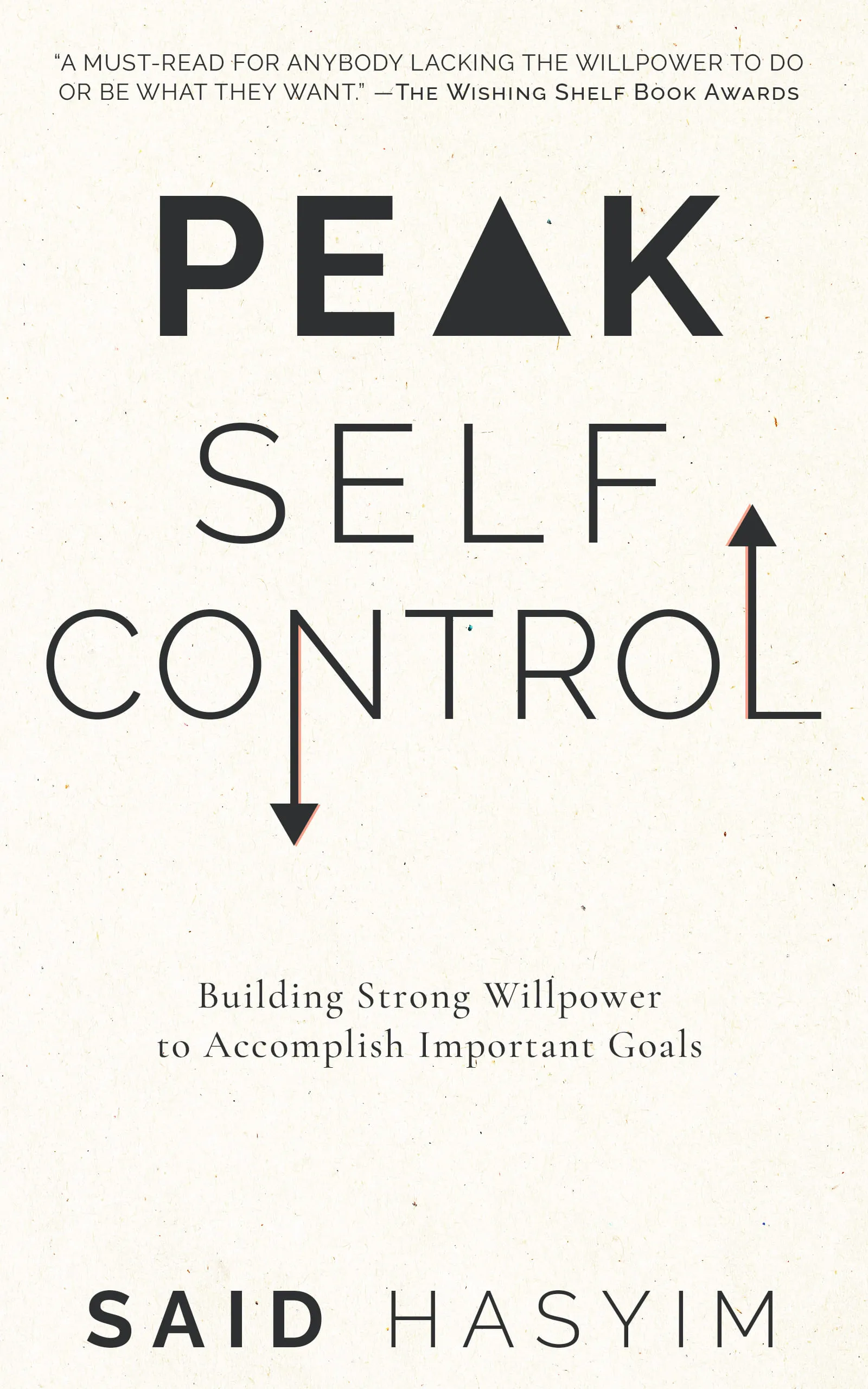
Start Mastering Self-Discipline Today
Discover Peak Self-Control, a practical book to mastering self-discipline. Break free from distractions, build healthier habits, and improve your relationships. Gain effective strategies to enhance your willpower and make meaningful life changes, even amidst a busy schedule. Small adjustments can lead to significant improvements in your daily routine.