The Connection Between Self-Control and Motivation
When we talk about achieving our goals, two attributes frequently come into play: self-control and motivation. Both play crucial roles in building habits, overcoming obstacles, and attaining success in various aspects of life. While they are interconnected, understanding their relationship can help us harness their synergy for personal development.
Understanding Self-Control
Self-control, often defined as the ability to regulate one's emotions, thoughts, and behaviors in the face of temptations and impulses, is fundamental to achieving long-term goals. It involves resisting short-term temptations to meet long-term objectives—be it sticking to a diet, managing finances, or completing a work project.
Research has consistently demonstrated that individuals with higher self-control tend to perform better academically, have healthier relationships, and exhibit better emotional regulation. It is often seen as a trait associated with willpower, discipline, and grit. Importantly, self-control is not a fixed trait; it can be strengthened and developed over time through practice and commitment.
The Science Behind Self-Control
Psychological studies reveal that self-control operates like a muscle. It can become fatigued when overused but can also be built and strengthened through consistent practice. For instance, Roy Baumeister and his colleagues conducted studies demonstrating that self-control can diminish after it's exerted, leading to what they termed "ego depletion." However, engaging in activities that require self-discipline can also enhance one's self-control reserve.
There are ways to increase self-control, such as:
- Setting Clear Goals: Establishing specific, actionable goals helps to provide direction and make the exertion of self-control more manageable.
- Implementing Strategies: Creating strategies to avoid temptations or reduce friction can help preserve self-control resources.
- Mindfulness Practices: Engaging in mindfulness techniques can foster greater awareness and help manage impulses.
- Regular Self-Reflection: Taking time to reflect on one's values and goals reinforces the reasons for exercising self-control.
Understanding Motivation
Motivation, in contrast, refers to the processes that initiate, guide, and maintain goal-oriented behaviors. It encompasses the internal and external factors that stimulate desire and energy in people to be continually engaged in a task. Motivation can be intrinsic, coming from within (like personal goals and values), or extrinsic, coming from external rewards or recognition.
Intrinsic motivation often leads to more sustainable behaviors since it aligns closely with personal values and interests. Meanwhile, extrinsic motivation can be very effective in certain circumstances, particularly for tasks that individuals may not inherently enjoy but recognize as necessary.
Types of Motivation
- Intrinsic Motivation: Motivated by internal rewards, such as personal satisfaction or a sense of accomplishment.
- Extrinsic Motivation: Driven by external rewards, like grades, money, or praise from others.
Understanding what motivates us—or what hinders our motivation—is fundamental for effective self-regulation and self-control.
The Interplay between Self-Control and Motivation
So where do self-control and motivation intersect? While both can exist independently, they often fuel each other in meaningful ways.
1. Self-Control Fuels Motivation
A strong sense of self-control can enhance motivation by providing the focus and discipline needed to pursue goals. For example, when someone exercises restraint and sticks to a routine or project against distractions or temptations, that accomplishment can serve as a motivational boost. Each small victory reinforces their ability to persist and push through difficult moments.
2. Motivation Strengthens Self-Control
On the flip side, a highly motivated individual is more likely to exert self-control to reach their goals. When you have a strong motivational drive fueled by passion or significance, the ability to resist short-term cravings and distractions becomes more manageable. Motivation acts like a guiding light, illuminating the path toward goal achievement and reinforcing the desire to maintain self-discipline.
3. Interaction in Goal Achievement
The successful pursuit of personal goals often relies on a balance of both self-control and motivation. For instance, if someone yearns to run a marathon (a highly motivating goal), they must exercise self-control to maintain their training schedule, resist the temptation to skip workouts, and avoid unhealthy snacks. In contrast, when motivation wavers (perhaps due to fatigue or busy schedules), it might be helpful to lean on the discipline cultivated through self-control.
Bridging the Gap: Strategies for Enhancement
To benefit from the connection between self-control and motivation, individuals can explore several strategies:
1. Find Your 'Why'
Understanding the underlying reasons behind your goals can reignite motivation when enthusiasm wanes. Ask yourself, “Why is this goal important to me?” Write down the answers and remind yourself of them when your motivation dips.
2. Break Down Goals
Large, intimidating goals can be overwhelming and demotivating. Break them down into smaller, manageable tasks. Achieving even minor milestones can provide the motivation to continue while allowing for the exercise of self-control.
3. Build Routines
Creating habits and routines can greatly enhance both motivation and self-control. When actions become automatic, relying on self-control becomes less of a challenge. For example, setting aside time each day for exercise or study makes engaging in those behaviors a part of one’s routine.
4. Reward Yourself
Incorporate elements of extrinsic motivation by rewarding yourself for reaching milestones or practicing self-control. Positive reinforcement can bolster both motivation and self-regulation.
5. Surround Yourself with Support
Having a network of supportive friends, family members, or colleagues can bolster motivation and help you stay accountable to your goals. Share your objectives with others and seek encouragement when faced with tempting distractions.
Conclusion
Understanding the intricate relationship between self-control and motivation offers valuable insights for personal growth and goal achievement. By recognizing how they interact, one can leverage their connection to create a robust framework for success. Building self-control through discipline and strategy will ultimately enhance your motivation, providing a strong basis for overcoming challenges and pursuing your goals with determination.
As you embark on your journey of self-improvement, remember that self-control and motivation are allies in your quest for achievement. Cultivate both, and watch as they work together to propel you toward your aspirations.
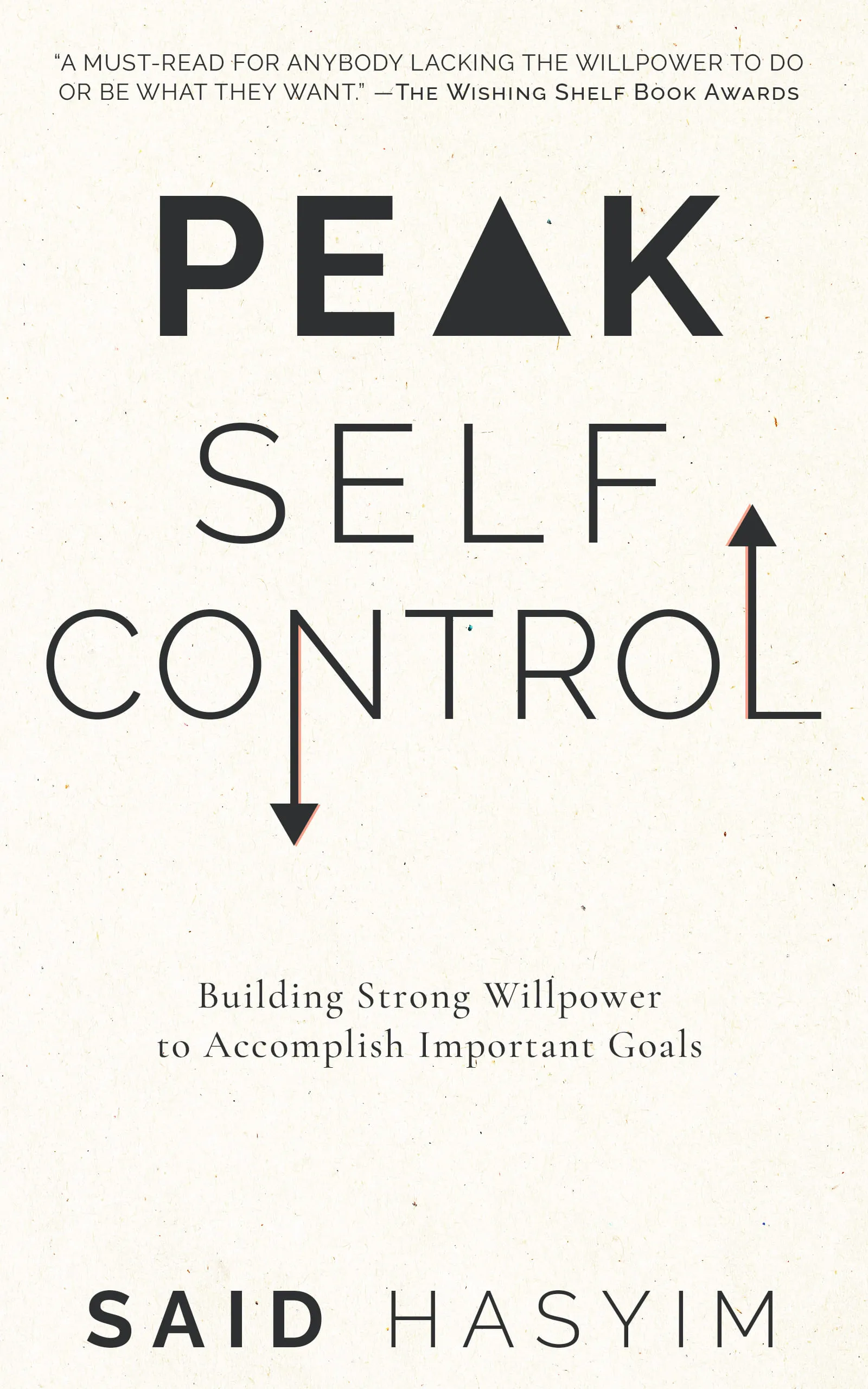
Start Mastering Self-Discipline Today
Discover Peak Self-Control, a practical book to mastering self-discipline. Break free from distractions, build healthier habits, and improve your relationships. Gain effective strategies to enhance your willpower and make meaningful life changes, even amidst a busy schedule. Small adjustments can lead to significant improvements in your daily routine.