Self-Control Myths: Understanding the Real Truth
Self-control is often hailed as one of the most valuable traits a person can possess. It’s synonymous with discipline, willpower, and the ability to resist temptations. In a world where the allure of instant gratification is omnipresent, the myth of self-control has permeated our culture, leading many to believe that achieving self-control is simple and straightforward. However, the truth about self-control is far more nuanced than popular narratives suggest.
In this blog post, we’ll debunk some common myths surrounding self-control and shed light on the factors that truly influence our ability to exercise it effectively.
Myth 1: Self-Control is Just About Willpower
One of the most pervasive myths about self-control is that it primarily hinges on willpower—a personal trait that some just naturally possess. While willpower does play a role, it is not the sole factor in self-control. Research suggests that self-control involves a complex interplay of emotional regulation, cognitive processes, and environmental factors.
For instance, an individual may have strong willpower but find it incredibly challenging to resist the temptation of junk food if it’s always readily available in their home. Conversely, someone who has a less robust sense of willpower might successfully navigate a challenging diet simply by altering their environment to remove temptations.
The Real Truth
Self-control is often more about managing our environment and understanding our triggers than merely relying on internal strength. By implementing strategies that steer us away from temptation, we can enhance our self-control without having to rely strictly on willpower.
Myth 2: Self-Control is a Trait That Can’t Be Changed
Many people believe that self-control is a fixed trait, like height or eye color. This myth can lead to a defeatist attitude, where individuals don’t even try to improve their self-control because they think they are genetically predetermined to lack it.
The Real Truth
Self-control is not a static trait, but a skill that can be developed and refined over time. Studies indicate that self-control can be improved through practice and self-awareness. Techniques such as mindfulness meditation, goal setting, and habit formation can significantly bolster one’s self-control abilities.
By actively working on self-control strategies, anyone can enhance this vital skill, challenging the notion that it’s an unchangeable aspect of our personalities.
Myth 3: More Self-Control Means Less Happiness
Another common belief is that a high degree of self-control leads to a rigid, joyless life. This perspective often portrays self-control as a form of deprivation, where individuals suppress their desires and, as a result, miss out on life’s pleasures.
The Real Truth
In reality, self-control and happiness are intricately linked. People who exercise self-control are often able to pursue long-term goals, such as education, career advancements, and healthy relationships, which can lead to greater life satisfaction. Instead of detracting from happiness, self-control can provide a sense of empowerment and accomplishment.
Moreover, having self-control allows individuals to indulge in pleasures more mindfully, ensuring that those experiences are genuinely enjoyable rather than mindlessly pursued.
Myth 4: Self-Control is All or Nothing
Many people view self-control as a dichotomy: one can either be entirely self-controlled or completely out of control. This binary mindset not only oversimplifies a complex issue but also sets individuals up for feelings of failure.
The Real Truth
Self-control exists on a spectrum. Most of us can exercise self-control in some situations while struggling in others. It’s normal to have moments of weakness. What’s essential is to recognize these moments and learn from them instead of succumbing to the belief that one failure equates to an overall lack of self-control.
Practicing moderation and understanding that it’s okay to have setbacks can help individuals develop a more compassionate and forgiving attitude towards themselves. This mindset allows for greater resilience and long-term success in self-control efforts.
Myth 5: Self-Control Is Only Necessary in the Face of Temptation
Many assume that self-control is predominantly about resisting temptations—such as sweet treats during dieting or avoiding distractions during work hours. While tempting situations do require self-control, this skill is equally important in positive contexts as well.
The Real Truth
Self-control is about making intentional choices aligned with our values and long-term goals, regardless of whether we are facing temptation. It encompasses planning, prioritizing, and committing to actions even when it would be easier to opt for the immediate reward.
By broadening our understanding of self-control to include proactive decision-making, we foster a more holistic approach that incorporates both resistance and resilience in our daily lives.
Conclusion
Understanding the truths surrounding self-control can empower individuals to rethink their approach to personal discipline. Self-control is not solely a matter of willpower, nor is it an unchangeable trait. It’s a skill influenced by our environments and decisions, one that we can cultivate with practice and patience.
By debunking these self-control myths, we open pathways to better decision-making, greater satisfaction, and a deeper understanding of ourselves. Remember, self-control is not about deprivation but about making mindful choices that align with our long-term goals and values. Embrace the journey of enhancing your self-control—it's a nuanced adventure that promises growth and fulfillment.
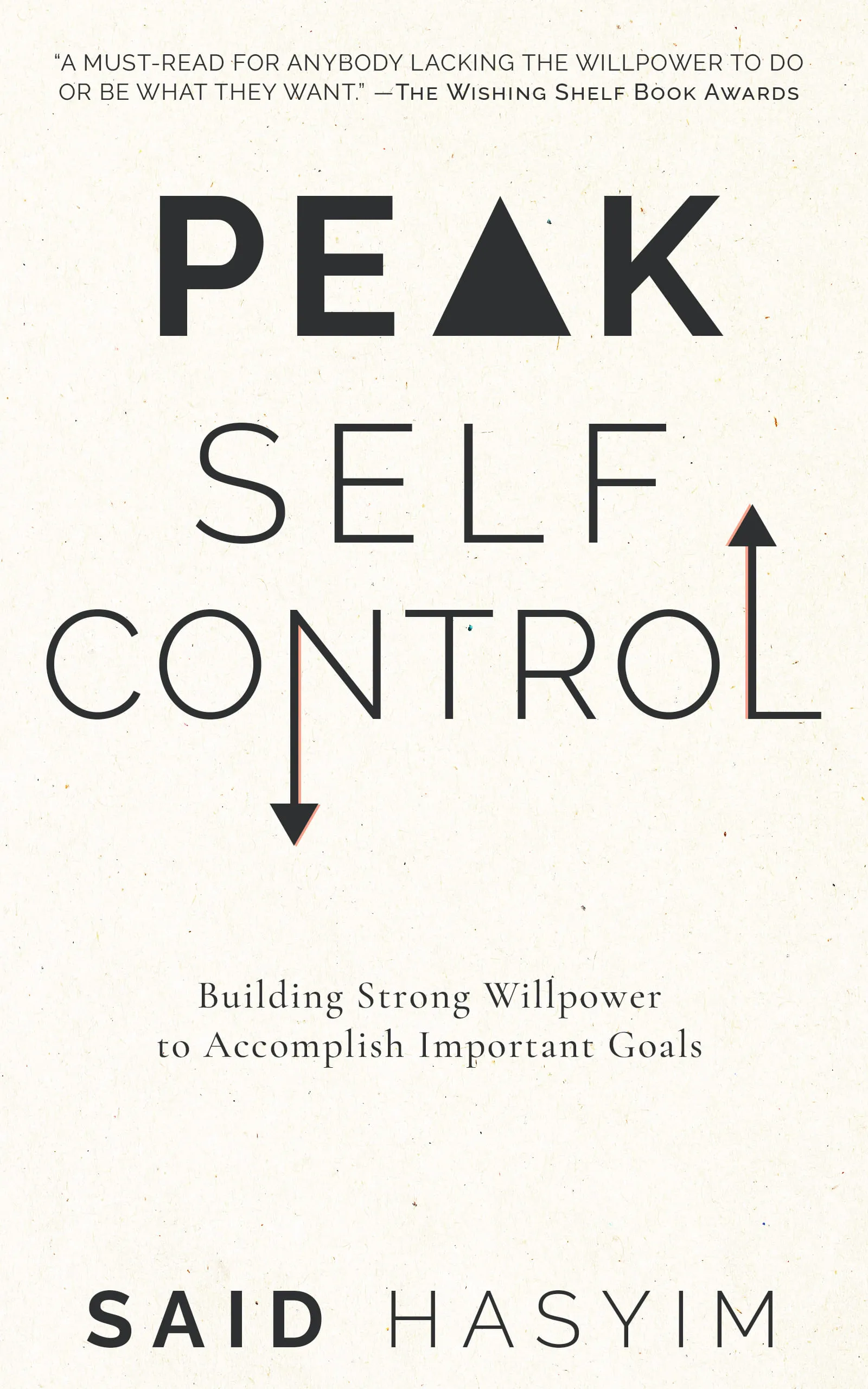
Start Mastering Self-Discipline Today
Discover Peak Self-Control, a practical book to mastering self-discipline. Break free from distractions, build healthier habits, and improve your relationships. Gain effective strategies to enhance your willpower and make meaningful life changes, even amidst a busy schedule. Small adjustments can lead to significant improvements in your daily routine.