Self-Control in the Digital Age: Tips to Succeed
In today's hyper-connected world, managing our attention and self-control has become more challenging than ever. The digital landscape, with its endless notifications, sprawling social media platforms, and 24/7 access to entertainment, can easily overpower our ability to focus on what truly matters. As we navigate this digital age, cultivating self-control is essential for our productivity, mental health, and overall well-being. In this blog post, we will explore effective strategies to enhance self-control in a landscape that often seems designed to distract us.
Understanding Self-Control
Self-control can be defined as the ability to regulate one’s thoughts, emotions, and actions in the face of temptations and distractions. It is a vital component of personal growth that enables us to pursue long-term goals and resist transient gratification. When it comes to technology, self-control helps us maintain balance, ensuring that our device usage contributes positively to our lives rather than detracting from them.
The Challenge of Distraction
Distractions are an inherent part of the digital experience. Notifications from our smartphones, the allure of binge-watching shows, and the addictive nature of social media can fragment our attention and diminish our productivity. This persistent bombardment of information can lead to:
- Increased anxiety: Continuous alerts and updates can create a sense of urgency that raises stress levels.
- Decreased focus: The need to multitask in the face of distractions often results in a decline in the quality of our work.
- Deteriorating relationships: Excessive screen time can detract from meaningful interactions with family and friends.
Recognizing these challenges is the first step towards developing effective self-control strategies.
1. Set Clear Goals
One of the most effective ways to enhance self-control is to establish clear, achievable goals. Goals give us a sense of direction and purpose, making it easier to prioritize our time and resources. Here are a few tips for setting clear goals:
- Define specific objectives: Rather than vague ideas like "be more productive," target specific outcomes, such as completing a work project by a set date.
- Use the SMART criteria: Ensure your goals are Specific, Measurable, Achievable, Relevant, and Time-bound.
- Break down larger tasks: Tackle daunting projects by breaking them into smaller, manageable steps. This approach can help prevent overwhelm and encourage steady progress.
2. Create a Structured Environment
Our environment plays a significant role in our behavior and ability to exercise self-control. By designing a workspace that minimizes distractions, we can improve our focus and productivity. Here are some ways to structure your environment:
- Limit tech distractions: Consider turning off notifications on your devices or using “Do Not Disturb” modes during work hours.
- Keep a clutter-free workspace: A tidy, organized space can enhance your concentration and help streamline your workflow.
- Utilize apps to block distractions: Many productivity tools can block distracting websites or social media during specified times.
3. Implement Time Management Techniques
Effective time management techniques can bolster your self-control by allocating specific periods for focused work, breaks, and leisure. Here are some popular methods:
- The Pomodoro Technique: Work in focused bursts of 25 minutes followed by a 5-minute break. This approach helps maintain concentration while allowing for regular rest.
- Time blocking: Allocate specific blocks of time for different tasks throughout the day. This scheduling method can help you ensure that you are devoting time to important objectives.
- Prioritize tasks: Use tools like the Eisenhower Matrix to identify what is urgent and important, enabling you to focus on high-priority tasks first.
4. Practice Mindfulness
Mindfulness — the practice of being present and aware without judgment — can significantly enhance self-control. By fostering mindfulness, we become more attuned to our thoughts, feelings, and impulses. Here are ways to incorporate mindful practices into your routine:
- Meditate regularly: Even just a few minutes of daily meditation can cultivate awareness and improve your ability to manage distractions.
- Engage in mindful breathing: Take short breaks to focus on your breath, especially when you feel overwhelmed or tempted to stray from your tasks.
- Limit multitasking: Engage fully with one task at a time, which can enhance your focus and allow for greater satisfaction in your work.
5. Establish Boundaries
Setting boundaries around technology use can drastically improve self-control. Here are several strategies to establish healthy digital boundaries:
- Define device-free zones: Designate certain areas (e.g., the dinner table, bedroom) where tech devices are not allowed.
- Schedule social media time: Rather than aimlessly scrolling, set specific times to engage with social media, and stick to those limits.
- Use technology mindfully: Before reaching for your phone or opening your laptop, ask yourself what your intention is. This reflection can help curb mindless device usage.
6. Develop Healthy Habits
Building self-discipline and self-control is about more than just resisting temptation; it’s also about cultivating positive habits. Here are some healthy habits to consider:
- Stay active: Regular physical exercise can improve your mood and boost cognitive function, making it easier to resist distractions.
- Maintain a balanced diet: Nourishing your body with the right nutrients can impact your energy levels and ability to focus.
- Prioritize quality sleep: A well-rested mind is more resilient to distractions and better equipped to exercise self-control.
7. Seek Support
Sometimes our resolve is tested, and having a support system can make all the difference. Whether it’s friends, family, or online communities, surrounding yourself with individuals who share similar goals can provide encouragement and accountability.
- Share your goals: Discuss your intentions with friends or family who can help keep you accountable for your digital habits.
- Join a group: Seek out communities or forums focused on productivity, self-improvement, or similar interests to connect with others on the same journey.
Conclusion
In a world overflowing with distractions, exercising self-control is not just a personal challenge; it’s a necessity for achieving a balanced life. By setting clear goals, structuring your environment, utilizing effective time management techniques, practicing mindfulness, establishing boundaries, developing healthy habits, and seeking support, you can cultivate the self-control needed to thrive in the digital age.
Remember, self-control is not about deprivation; it’s about making intentional choices that align with your values and priorities. By implementing these strategies, you can create a more focused, productive, and fulfilling life in this ever-evolving digital landscape. Start small, stay consistent, and watch as your self-control transforms your engagement with technology and the world around you.
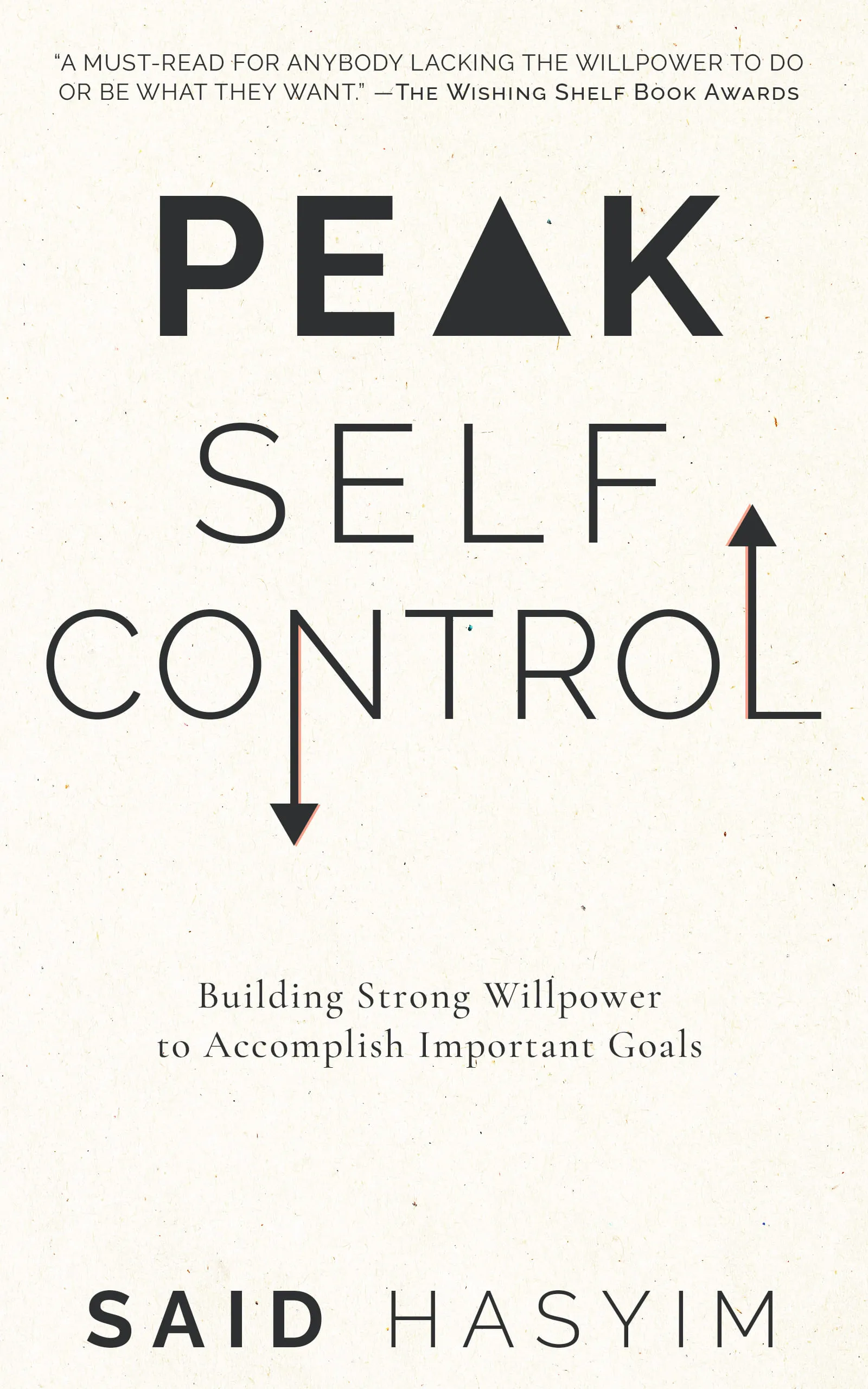
Start Mastering Self-Discipline Today
Discover Peak Self-Control, a practical book to mastering self-discipline. Break free from distractions, build healthier habits, and improve your relationships. Gain effective strategies to enhance your willpower and make meaningful life changes, even amidst a busy schedule. Small adjustments can lead to significant improvements in your daily routine.