Self-Control During Crises: Tips for Stability
In times of crisis, whether they be personal, social, or global, maintaining self-control can feel like an uphill battle. The unpredictability of life can trigger anxiety, panic, and a fight-or-flight response that may lead us away from rational behavior. However, cultivating self-control during turbulent times is crucial not only for our mental well-being but also for ensuring that we can navigate challenges with resilience and poise.
In this post, we’ll explore strategies to enhance self-control during crises, helping you to develop stability even when external circumstances are chaotic.
Understanding Self-Control
Before diving into practical tips, it’s essential to understand what self-control is. At its core, self-control is the ability to regulate one's emotions, thoughts, and behaviors in the face of temptations and impulses. It is the keystone of emotional intelligence, enabling individuals to make informed decisions rather than react impulsively. During crises, the importance of self-control multiplies, as the stakes are often higher and the pressures more intense.
Tips for Maintaining Self-Control During Crises
1. Acknowledge Your Emotions
It's natural to experience a range of emotions during a crisis – fear, anger, grief, and confusion are common responses. Allow yourself to feel these emotions rather than suppressing them. Acknowledging your feelings can create an emotional release, reducing the internal pressure that might lead to impulsive actions.
- Journal: Writing about your feelings can be therapeutic. It helps you process what you're experiencing and fosters a clearer understanding of your emotions.
- Talk It Out: Sometimes voicing your concerns to a friend or family member can help you achieve clarity and even provide emotional support.
2. Practice Mindfulness
Mindfulness involves becoming more aware of your thoughts and feelings in the present moment without judgment. This practice allows you to step back from overwhelming emotions and stimulate rational thinking.
- Meditation: Regular meditation can train your mind to remain calm under pressure. Even a few minutes a day can help.
- Deep Breathing: When you feel overwhelmed, take a moment to breathe deeply. Inhale for a count of four, hold for four, and exhale for six. This simple tactic can reduce anxiety and restore focus.
3. Establish a Routine
Crises often disrupt our usual routines, contributing to feelings of chaos and confusion. Re-establishing some form of structure in your day can promote a sense of normalcy and control.
- Daily Schedule: Create a simple daily schedule that includes work, exercise, relaxation, and social interaction. This will help you stay oriented and productive.
- Set Small Goals: Focus on small, achievable tasks each day. Completing these tasks can boost your confidence and give you a sense of accomplishment.
4. Limit Information Consumption
In the digital age, we are constantly bombarded with notifications, updates, and news reports, especially during a crisis. Overexposure to information can heighten anxiety and lead to irrational thoughts.
- Curate Your Sources: Choose a couple of reliable news sources and limit your intake to once or twice a day.
- Digital Detox: Consider taking breaks from social media and news to give your mind a rest.
5. Identify Your Triggers
Throughout a crisis, it is essential to recognize what triggers your impulsive or emotionally charged reactions. By identifying these triggers, you can develop strategies to cope with them more effectively.
- Self-Reflection: Spend time thinking about moments when you've reacted poorly. What triggered those reactions? Understanding your patterns can help you manage them.
- Create Response Plans: Develop action plans for when you feel triggered in specific situations. Knowing how to respond can significantly enhance your ability to maintain control.
6. Engage in Physical Activity
Exercise can serve as an excellent outlet for stress relief and a tool for enhancing self-control. Physical activity releases endorphins, which can improve your mood and promote a sense of well-being.
- Daily Exercise: Incorporate some form of physical activity into your routine, whether it’s a brisk walk, a home workout, or yoga.
- Outdoor Time: If it's safe and feasible, spend time in nature, which can boost your mental health and provide clarity during a crisis.
7. Seek Professional Support
While self-help techniques can be beneficial, sometimes we need external support to navigate a crisis. Consider seeking help from mental health professionals, especially if feelings of helplessness or hopelessness persist.
- Therapy: A therapist can provide tools and strategies tailored to your specific needs, helping you cope more effectively with crises.
- Support Groups: Joining a community of individuals experiencing similar struggles can foster connection and provide you with additional perspectives and coping strategies.
8. Cultivate Empathy
During crises, it can be easy to become engrossed in our own struggles. However, cultivating empathy for others can help broaden your perspective and foster a sense of community.
- Acts of Kindness: Consider volunteering, helping a neighbor, or simply reaching out to someone who may need support. Focusing on others can shift your mindset away from anxiety.
- Communicate Openly: Share your thoughts and feelings with others to create a space for mutual support.
Conclusion
Crisis situations can be daunting, but how we respond during these times can define our growth and resilience. Self-control is not merely about suppressing emotions or behaviors; it’s about understanding and managing them. By implementing the strategies we discussed, you can create a foundation of stability that will serve you not only in times of crisis but in everyday life as well.
Remember, crises may feel isolating, but you’re not alone. Whether through self-reflection, mindfulness, or seeking professional support, you can navigate challenges with grace. Embrace the journey of self-control, and know that every small step you take contributes to a more stable and fulfilling life amid uncertainty.
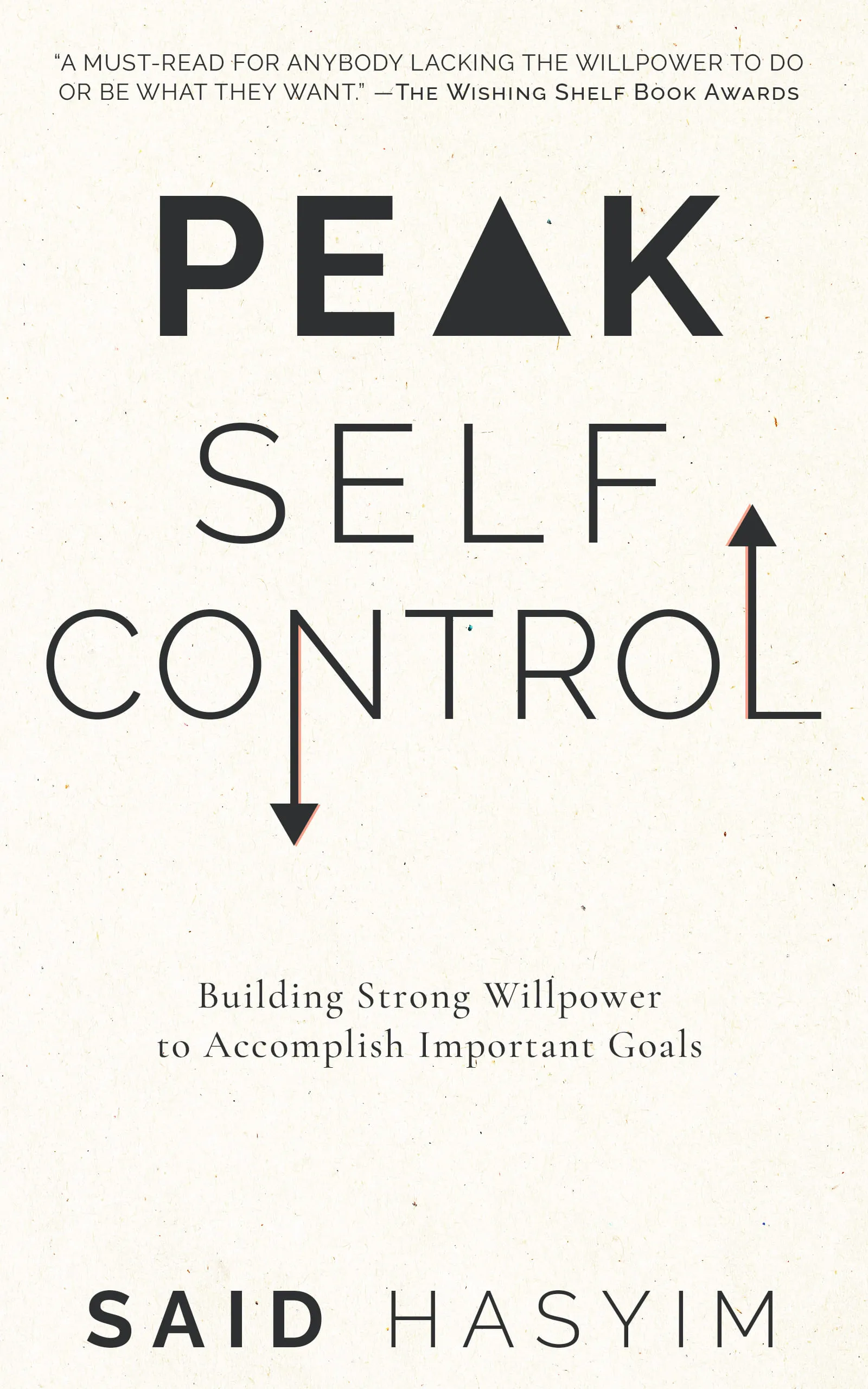
Start Mastering Self-Discipline Today
Discover Peak Self-Control, a practical book to mastering self-discipline. Break free from distractions, build healthier habits, and improve your relationships. Gain effective strategies to enhance your willpower and make meaningful life changes, even amidst a busy schedule. Small adjustments can lead to significant improvements in your daily routine.