Self-Control and Its Impact on Relationships
Self-control is often regarded as an essential trait for personal success, but its significance extends far beyond individual ambitions. In the intricate dance of human relationships, self-control plays a pivotal role. Whether in romantic partnerships, friendships, or familial ties, the ability to exert self-discipline can determine the trajectory of our interactions with others. In this blog post, we will explore the multifaceted ways self-control influences our relationships and offer insights into harnessing its power to foster healthier connections.
Understanding Self-Control
Self-control can be defined as the ability to regulate one’s emotions, thoughts, and behaviors in the face of temptations and impulses. It is what allows us to think before we act, to choose reason over impulse, and to prioritize long-term goals over short-term pleasures. While self-control is often viewed through the lens of personal achievement – such as resisting the temptation to indulge in junk food or procrastination – its implications for our relationships are profound.
The Role of Self-Control in Interpersonal Dynamics
Conflict Resolution
One of the most significant impacts of self-control in relationships can be observed in conflict resolution. When disagreements arise, individuals with higher self-control are more likely to respond thoughtfully and calmly rather than reactively. They are capable of stepping back from heated moments, allowing space for rational dialogue instead of escalating tensions. This not only helps to resolve conflicts more effectively but also prevents the emotional fallout that often accompanies explosive arguments.
Empathy and Understanding
Empathy is a cornerstone of healthy relationships, and self-control is inherently linked to this quality. When we exercise self-control, we become better at putting ourselves in others’ shoes. The ability to manage one’s own emotional responses allows individuals to focus on their partner’s feelings and perspectives, leading to deeper connections and improved communication. A partner who can control their own frustration is likely to listen more empathetically, fostering a supportive environment for sharing thoughts and feelings.
Trust and Reliability
Trust is foundational in any relationship, whether it be romantic, platonic, or familial. Individuals who demonstrate self-control are often viewed as more reliable and trustworthy. For instance, a friend who consistently keeps their promises and manages their emotions during stressful times earns the respect and confidence of those around them. This reliability builds a solid groundwork for mutual respect and dependability, allowing relationships to flourish.
Personal Growth and Accountability
Self-control contributes to personal growth, which in turn impacts relationships positively. People who practice self-control tend to hold themselves accountable for their actions. They are more inclined to reflect on their behaviors and consider how they affect others. This self-awareness facilitates growth and change, which can enhance the overall quality of the relationship. For example, partners who can acknowledge their mistakes due to exercising self-control often find a path toward healing and progression.
The Consequences of Lacking Self-Control
On the flip side, a lack of self-control can have detrimental effects on relationships. Impulsive behavior, emotional outbursts, and neglecting responsibilities can erode trust and create feelings of resentment. Below are some common consequences of inadequate self-control in interpersonal relationships:
Increased Conflict: Impulsive reactions can lead to frequent arguments and misunderstandings, as one partner may feel undervalued or unheard.
Erosion of Trust: Consistent failure to follow through on commitments or emotional instability might result in a partner feeling secure and loved.
Emotional Distance: Individuals who struggle with self-control may become emotionally volatile, leading others to withdraw to protect themselves.
Stagnation of Growth: Without self-control, personal accountability is diminished, resulting in an inability to learn from experiences and evolve within the relationship.
Strategies for Cultivating Self-Control in Relationships
Recognizing the importance of self-control is the first step; the next is to actively cultivate it within relationships. Here are some strategies that can be employed to enhance self-control and improve relationship dynamics:
Practice Mindfulness
Mindfulness techniques, such as meditation and deep breathing exercises, can greatly enhance self-control. By being present in the moment, individuals are better equipped to manage their emotions and reactions. Mindfulness encourages individuals to pause before responding, allowing for more considered reactions during discussions or conflicts.
Set Clear Boundaries
Establishing boundaries is essential in any relationship. Thoughtfully discussing and agreeing upon boundaries promotes respect and understanding among partners. Clear boundaries also provide individuals with the framework to exercise self-control when faced with temptations that could lead to unhealthy behaviors.
Communicate Openly and Honesty
Open communication forms the backbone of healthy relationships. Practicing self-control in communication means being honest about feelings, needs, and frustrations in a respectful manner. When partners feel comfortable discussing their emotions, the likelihood of misunderstandings reduces, fostering a collaborative atmosphere.
Create Accountability Systems
Engage in mutual accountability with your partner. Set goals together and monitor each other’s progress in upholding commitments. This can build trust and generate supportive dynamics that encourage self-control within both individuals.
Reflect on Triggers and Responses
Self-reflection can aid in understanding specific triggers that may lead to impulsive behaviors. By identifying these moments, individuals can develop strategies to navigate them better. Discussing triggers with a partner can also enhance mutual support and understanding.
Conclusion
Self-control is a vital element that underpins healthy and fulfilling relationships. By understanding and nurturing this trait, individuals can significantly improve their connections with others. The ability to regulate one’s emotions, respond to conflicts with thoughtfulness, and engage in open communication lays the groundwork for trust, empathy, and intimacy. As we focus on developing self-control, we not only foster our personal growth but also create richer, deeper relationships that stand the test of time. Embrace the journey of cultivating self-control, and watch your relationships flourish in response.
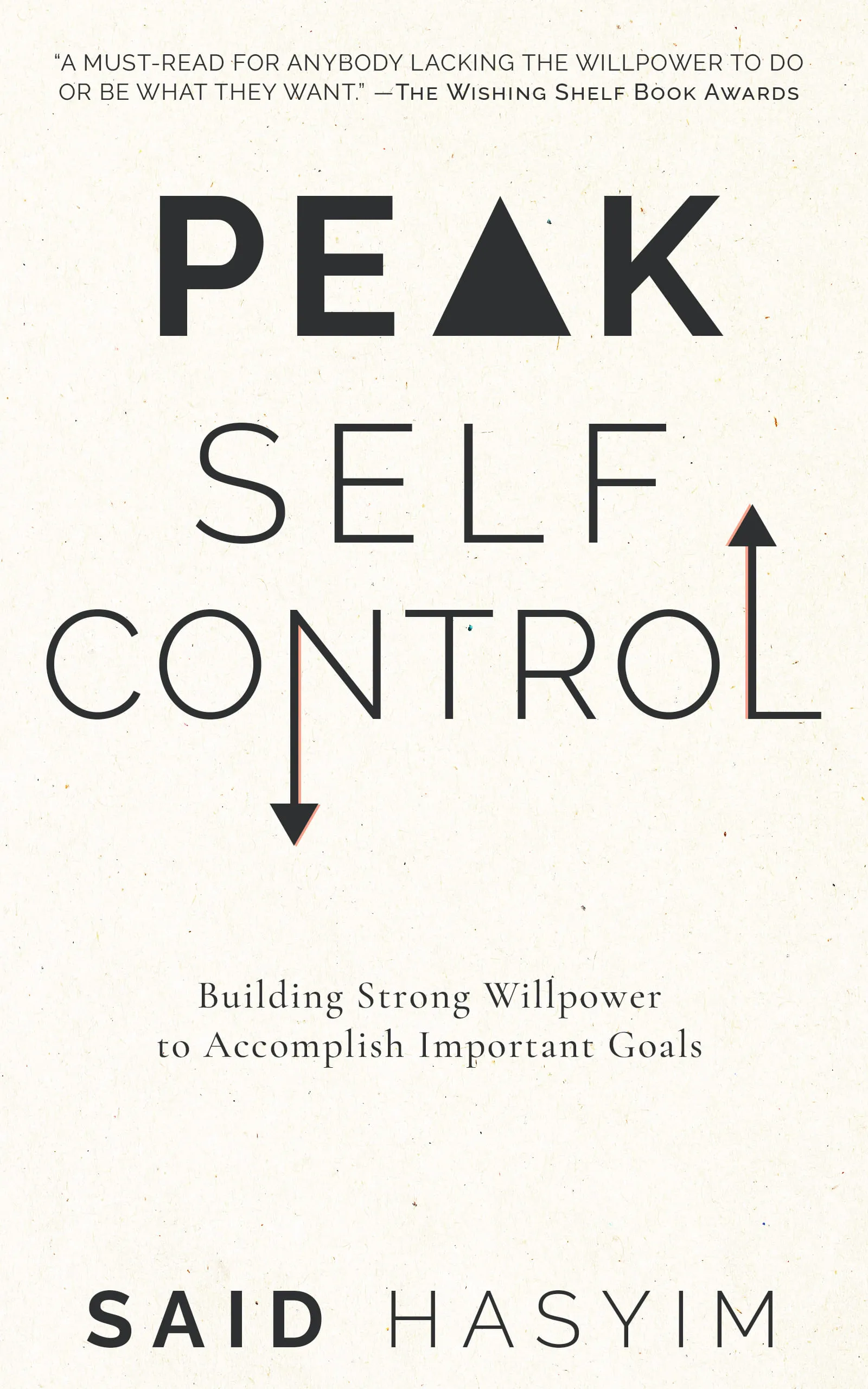
Start Mastering Self-Discipline Today
Discover Peak Self-Control, a practical book to mastering self-discipline. Break free from distractions, build healthier habits, and improve your relationships. Gain effective strategies to enhance your willpower and make meaningful life changes, even amidst a busy schedule. Small adjustments can lead to significant improvements in your daily routine.