Personal Finance: Applying Self-Control for Success
In an increasingly consumer-driven world, managing personal finances can be a daunting task. Whether it's resisting the allure of impulse purchases, saving for a rainy day, or investing wisely for the future, self-control is a critical component of financial success. This blog post will explore the concept of self-control in personal finance, the psychology behind it, practical strategies to enhance it, and the long-term benefits of harnessing this essential skill.
Understanding Self-Control in Personal Finance
Self-control can be defined as the ability to manage one's impulses, emotions, and behaviors in the pursuit of longer-term goals. In the realm of personal finance, self-control means resisting the immediate gratifications of spending in favor of saving, budgeting, and investing.
The Psychology of Self-Control
The psychology behind self-control stems from the interplay between our immediate desires and our future goals. Behavioral economics reveals that humans often struggle to prioritize long-term benefits over short-term pleasures. This phenomenon is known as temporal discounting, where we tend to favor immediate rewards, even at the expense of greater gains down the road.
The Marshmallow Experiment
A classic example of this is the famous marshmallow experiment conducted by psychologist Walter Mischel in the 1970s. In this study, children were offered a choice: they could eat one marshmallow immediately or wait a short period and receive two marshmallows later. Those who were able to wait exhibited better life outcomes in various areas, including academic success and financial stability. This highlights how mastering self-control can lead to significant rewards over time.
The Consequences of Poor Self-Control
The inability to exercise self-control can lead to a range of financial pitfalls, including:
- Debt Accumulation: Impulsive spending can lead to accruing credit card debt and high-interest loans.
- Inadequate Savings: Without self-discipline, individuals may fail to set aside money for emergencies, retirement, or major purchases.
- Poor Investment Decisions: Emotional decision-making often results in buying high during market euphoria and selling low in times of panic.
These consequences not only hinder financial progress but also increase stress and anxiety, making it crucial to cultivate self-control.
Strategies for Building Self-Control
Fortunately, self-control is a skill that can be developed with consistent practice and intention. Here are some strategies to help you enhance your self-discipline in personal finance:
1. Set Clear Financial Goals
Defining specific, measurable, achievable, relevant, and time-bound (SMART) financial goals can provide motivation and direction. Having a clear vision of what you want to achieve makes it easier to resist temptations that derail your progress.
Example:
- Short-Term Goal: Save $1,000 for an emergency fund within six months.
- Long-Term Goal: Save for retirement to ensure a comfortable lifestyle.
2. Create a Budget
A well-structured budget acts as a roadmap for your finances. It helps you allocate your income wisely, ensuring you prioritize savings and essential expenses before discretionary spending.
- Track Your Spending: Use apps or spreadsheets to monitor your expenses and identify areas where you can cut back.
- Allocate Fun Money: Set aside a specific amount for leisure activities, so you enjoy rewards without derailing your financial goals.
3. Implement the 24-Hour Rule
To curb impulsive purchases, practice the 24-hour rule. Before making a non-essential purchase, wait at least 24 hours. This pause gives you time to reflect on whether the item is truly necessary and allows your initial emotional response to subside.
4. Automate Savings and Payments
Automation is a powerful tool in achieving financial discipline. Set up automatic transfers to your savings account or retirement fund, and schedule automatic payments for bills and debts. By reducing the opportunity for decision-making during financial transactions, you’re less likely to be swayed by immediate urges.
5. Limit Exposure to Temptation
Creating a financial environment that minimizes temptation can significantly enhance your self-control. This might include:
- Unsubscribing from promotional emails that lead to impulsive buys.
- Avoiding stores and websites that trigger excessive spending.
- Following financial influencers and communities that promote budgeting and saving.
6. Use Accountability Tools
Consider sharing your financial goals with a trusted friend or family member who can help hold you accountable. Alternatively, join support groups or online communities focused on personal finance. Knowing that someone else is aware of your goals can encourage you to stay committed.
7. Practice Mindfulness
Mindfulness practices, such as meditation and deep-breathing exercises, can significantly improve self-control. By fostering a greater awareness of your thoughts and emotions, you can better manage urges to spend impulsively.
The Long-Term Benefits of Self-Control
The effort you invest in enhancing your self-control today will pay dividends in the future. Here are a few benefits:
- Financial Security: With better financial habits, you'll build savings and invest wisely, ensuring a stable future.
- Reduced Stress: Better financial health correlates with reduced anxiety and stress levels. Fewer debts and a robust emergency fund facilitate peace of mind.
- Enhanced Quality of Life: Self-control allows you to prioritize experiences that align with your values, leading to a more fulfilling life.
Conclusion
Mastering self-control is essential for personal finance success. By embracing the principles discussed in this post, you can cultivate the discipline needed to achieve your financial goals. Implementing clear strategies, holding yourself accountable, and practicing mindfulness will empower you to navigate the complexities of your financial landscape with confidence.
Remember, the journey towards financial well-being begins with self-discipline. Take small, consistent steps towards enhancing your self-control, and watch as your financial situation transforms for the better!
Whether you're just starting out on your financial journey or looking to improve your existing habits, focusing on self-control is a powerful way to gain mastery over your finances and create a secure and prosperous future. Happy budgeting!
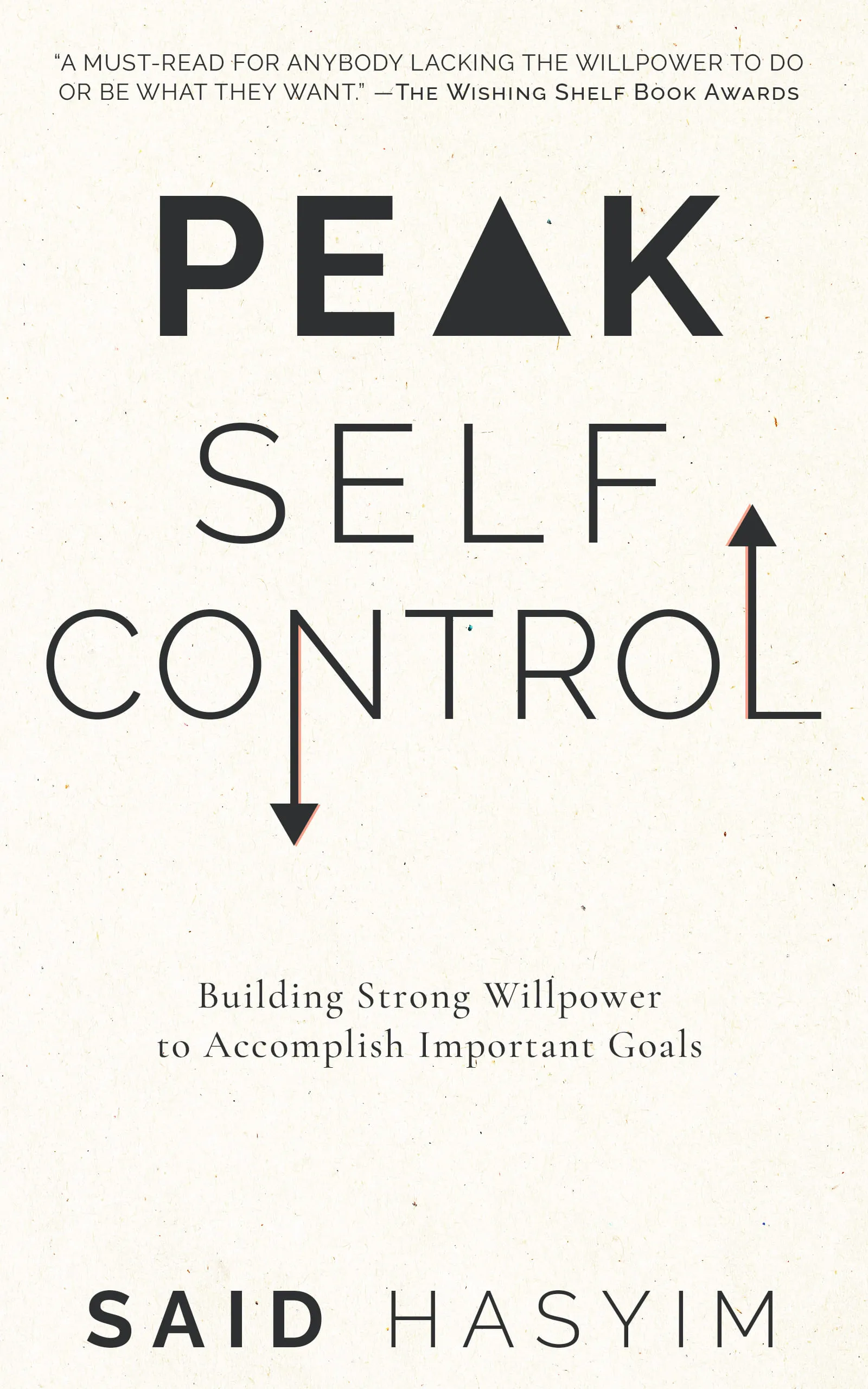
Start Mastering Self-Discipline Today
Discover Peak Self-Control, a practical book to mastering self-discipline. Break free from distractions, build healthier habits, and improve your relationships. Gain effective strategies to enhance your willpower and make meaningful life changes, even amidst a busy schedule. Small adjustments can lead to significant improvements in your daily routine.