Overcoming Temptations: Tips for Better Self-Control
Temptations are a part of life that everyone encounters, no matter their age or circumstances. Whether it’s the urge to indulge in unhealthy snacks, procrastinate on important tasks, or succumb to social media distractions, the ability to exert self-control can significantly impact our well-being and success. Building better self-control is not just about resisting temptations; it involves understanding our behaviors, motivations, and triggers. In this post, we will explore practical tips and strategies to help you overcome temptations and enhance your self-control.
Understanding Temptation
Before delving into strategies for improving self-control, it’s important to understand what temptation is. Temptation arises when we are faced with the choice between doing something that provides immediate pleasure or relief and engaging in a more challenging but beneficial behavior. This conflict often leads to feelings of guilt, frustration, or disappointment when we give in to temptation.
Why Do We Experience Temptation?
The reasons behind temptation can be multifaceted. Here are a few contributing factors:
Biological Factors: Certain biological responses can drive our cravings and desires. For instance, sugary foods can stimulate reward centers in the brain, making them hard to resist.
Psychological Triggers: Emotional states, stress, or social pressures can act as triggers for indulging in temptations. Understanding your psychological triggers is crucial for managing them effectively.
Environmental Influences: Our surroundings play a significant role in our behavior. Seeing others indulge in unhealthy habits can make us more likely to give in to similar temptations.
Tips for Enhancing Self-Control
While temptation may be a natural part of life, developing stronger self-control is within our reach. Here are some effective strategies that can help:
1. Set Clear Goals
Establishing clear and achievable goals can provide a roadmap for your self-control efforts. Break larger goals into smaller, manageable steps. For example, if your aim is to eat healthier, specify your goal as “I will eat two servings of vegetables with dinner each night” instead of making a vague commitment to “eat better.”
2. Identify Triggers
Understanding what prompts your temptations can significantly bolster your self-control. Keep a journal to track when you feel tempted and the circumstances surrounding it. Once you identify specific triggers, you can develop strategies to avoid or manage them effectively.
3. Practice Mindfulness
Mindfulness involves being fully present and engaged in the moment without judgment. Practicing mindfulness can increase your awareness of your thoughts and feelings related to your temptations. Techniques like meditation, deep breathing, and mindful eating can help you pause before acting on impulse, allowing you to make more deliberate choices.
4. Use the 10-Minute Rule
When faced with a strong temptation, give yourself a brief cooling-off period. The 10-minute rule involves waiting for ten minutes before giving in. During this time, distract yourself with a different activity, practice deep breathing, or reflect on the reasons for your self-control goals. Often, this short wait can diminish the intensity of the temptation.
5. Find Accountabilit
Sometimes, simply sharing your goals and challenges with someone else can make a big difference. Engage a friend, family member, or mentor who can offer support and keep you accountable. Regular check-ins can motivate you to stick to your commitments and provide encouragement during moments of weakness.
6. Create an Environment for Success
Your environment can significantly impact your behavior. To support your self-control efforts, modify your surroundings to minimize temptations. For example, if you’re trying to avoid junk food, don’t keep it in the house. Instead, stock up on healthier options and keep them in visible places to encourage better choices.
7. Develop Healthy Coping Strategies
Often, we turn to temptations as a way to cope with stress or negative emotions. Recognizing this pattern can help you develop healthier coping mechanisms. Exercise, creative hobbies, or spending time with loved ones are excellent alternatives that can lift your mood without derailing your goals.
8. Celebrate Small Wins
Celebrating even the tiniest victories can reinforce your commitment to self-control. Acknowledge the progress you make towards your goals, and reward yourself in healthy, non-destructive ways. For example, treat yourself to a movie night or buy a small item that you’ve wanted.
9. Visualize Success
Visualization is a powerful technique used by many successful individuals. Take a moment to clearly picture yourself achieving your goals. Visualizing the benefits of self-control can strengthen your resolve during moments of temptation. For instance, imagine how great you will feel after choosing to exercise instead of binge-watching TV.
10. Be Kind to Yourself
Finally, it’s essential to practice self-compassion. Everyone stumbles occasionally, and one slip-up doesn’t define your overall journey towards better self-control. If you give in to temptation, don’t beat yourself up. Analyze the situation, learn from it, and recommit to your goals without dwelling on past mistakes.
Conclusion
Overcoming temptations and honing self-control is an ongoing process that requires patience, practice, and understanding. By applying these strategies, you can gradually build resilience against temptations and create a more fulfilling, balanced life. Remember, it’s not about perfection, but progress. Every effort you make strengthens your ability to choose wisely and pursue your goals with renewed determination.
Harness the power of self-control today and take a step closer to the life you envision for yourself!
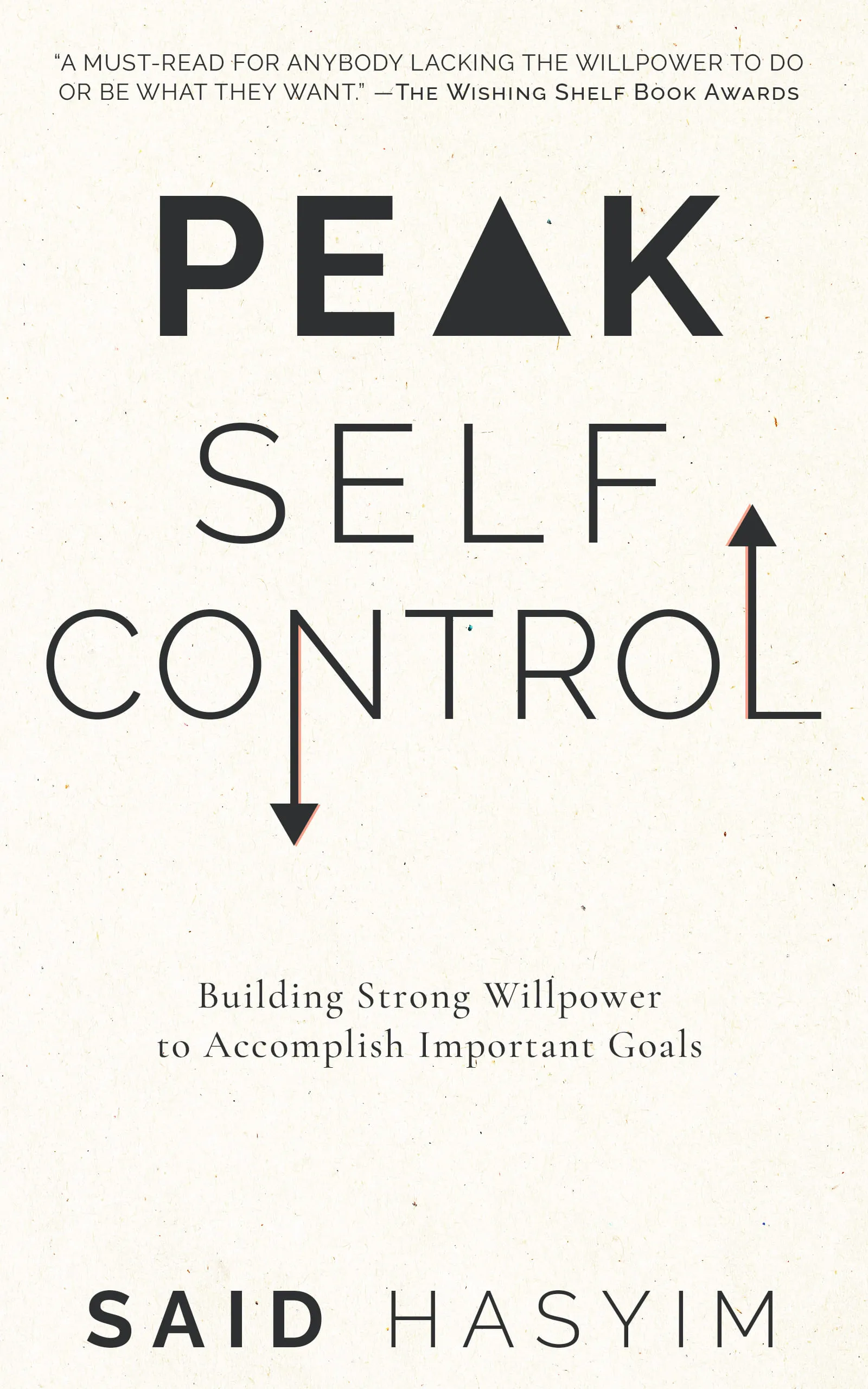
Start Mastering Self-Discipline Today
Discover Peak Self-Control, a practical book to mastering self-discipline. Break free from distractions, build healthier habits, and improve your relationships. Gain effective strategies to enhance your willpower and make meaningful life changes, even amidst a busy schedule. Small adjustments can lead to significant improvements in your daily routine.