Mindfulness Techniques to Improve Self-Control
In our fast-paced world, self-control often seems like an elusive quality. Whether it's resisting the urge to snack on unhealthy food, limiting screen time, or staying focused on a long-term goal, many of us find ourselves grappling with the challenge of self-regulation. Fortunately, mindfulness offers a variety of techniques that can significantly enhance self-control. By cultivating greater awareness and presence in our daily lives, we can make more intentional choices that align with our values and goals.
Understanding Mindfulness
Before we dive into specific techniques, let’s clarify what mindfulness is. Mindfulness is the practice of being fully present in the moment, aware of our thoughts, feelings, and sensations without judgment. This practice encourages acceptance and can help us respond to our impulses with greater awareness and intentionality.
Research has shown that mindfulness can enhance emotional regulation, reduce stress, and improve focus—all of which are crucial for developing effective self-control.
Techniques to Enhance Self-Control Through Mindfulness
1. Mindful Breathing
One of the simplest yet most effective mindfulness techniques is mindful breathing. This practice grounds you in the present moment and can help you regain focus during overwhelming situations.
How to Practice:
- Find a quiet space where you won’t be disturbed.
- Sit or lie down comfortably.
- Close your eyes and take a deep breath in through your nose, allowing your abdomen to expand.
- Exhale slowly through your mouth, noticing the sensation of the air leaving your body.
- Continue focusing on your breath for a few minutes, redirecting your thoughts back to your breathing whenever they wander.
Benefits: Mindful breathing calms the mind and body, allowing you to pause before reacting to impulses. This can be particularly helpful when faced with cravings or distractions.
2. Body Scan Meditation
The body scan is a practice that involves paying close attention to different parts of your body, helping you become more attuned to your physical sensations, which can illuminate emotional triggers.
How to Practice:
- Lie down comfortably in a quiet space.
- Close your eyes and take a few deep breaths.
- Begin at your toes and slowly move up through your body, noticing any sensations—tension, relaxation, warmth, or numbness.
- Spend a minute or two on each body part, then reflect on how various sensations relate to your emotional state.
Benefits: This technique fosters a deeper connection to your body, enhances self-awareness, and can help you recognize when you're under stress or temptation, giving you the necessary insight to exercise self-control.
3. Mindful Eating
In a world filled with distractions, we often eat mindlessly. Mindful eating encourages you to savor your food and listen to your body’s signals of hunger and fullness.
How to Practice:
- Choose a meal or snack to eat mindfully.
- Sit down at a table without distractions—no TV, phone, or reading materials.
- Observe the colors, textures, and smells of your food.
- Take small bites and chew slowly, fully experiencing each flavor and texture.
- Pay attention to how your body feels as you eat and when you start to feel full.
Benefits: Mindful eating minimizes overeating and helps develop a healthier relationship with food, enabling better choices based on your body’s needs rather than external cues.
4. Visualization Techniques
Visualization can be a powerful tool for enhancing self-control. By imagining yourself in challenging situations and rehearsing your responses, you can create a mental framework for self-regulation.
How to Practice:
- Find a quiet space and sit comfortably with your eyes closed.
- Take a few deep breaths to center yourself.
- Visualize a situation where you typically struggle with self-control (e.g., an indulgent dessert at a party).
- Imagine yourself handling the situation with confidence and clarity. Picture saying "no" and feeling a sense of pride and accomplishment afterward.
- Focus on the positive feelings associated with exercising self-control.
Benefits: This technique prepares you mentally for real-life situations, making it easier to implement self-control when it counts.
5. Emotional Acknowledgment
Mindfulness teaches us to acknowledge our emotions without judgment. Recognizing your feelings can provide insight into your impulses and enhance self-regulation.
How to Practice:
- When you notice a strong emotion (like anxiety or frustration), pause and take a moment to breathe.
- Identify the emotion without labeling it as "good" or "bad." Simply say to yourself, "I feel [emotion]."
- Explore the underlying thoughts or triggers that may have prompted this emotion.
- Allow yourself to sit with the feeling for a few minutes before deciding how to respond.
Benefits: This technique helps break the cycle of automatic reactions and increases your ability to respond thoughtfully rather than react impulsively.
6. Regular Mindfulness Practice
Incorporating mindfulness into your daily routine significantly enhances your ability to self-regulate over time. Whether it's through meditation, yoga, or simply taking mindful walks, consistency is key.
How to Practice:
- Set aside a specific time each day for mindfulness practice.
- Experiment with different techniques to find what resonates with you.
- Gradually increase the duration of your practice as you grow more comfortable with it.
Benefits: Regular mindfulness practice cultivates a more profound sense of self-awareness and emotional resilience, which strengthens your self-control over time.
Final Thoughts
Improving self-control through mindfulness is not an immediate fix; it’s a gradual process that requires patience and dedication. By integrating these mindfulness techniques into your life, you can foster a greater sense of awareness, allowing you to take intentional actions that align with your values.
Remember, the journey of developing self-control is personal and unique to each individual. Embrace the process, honor your progress, and enjoy the benefits of a more mindful life. As you continue to practice mindfulness, you just may find that self-control becomes more natural and accessible, paving the way for a fulfilling and balanced life.
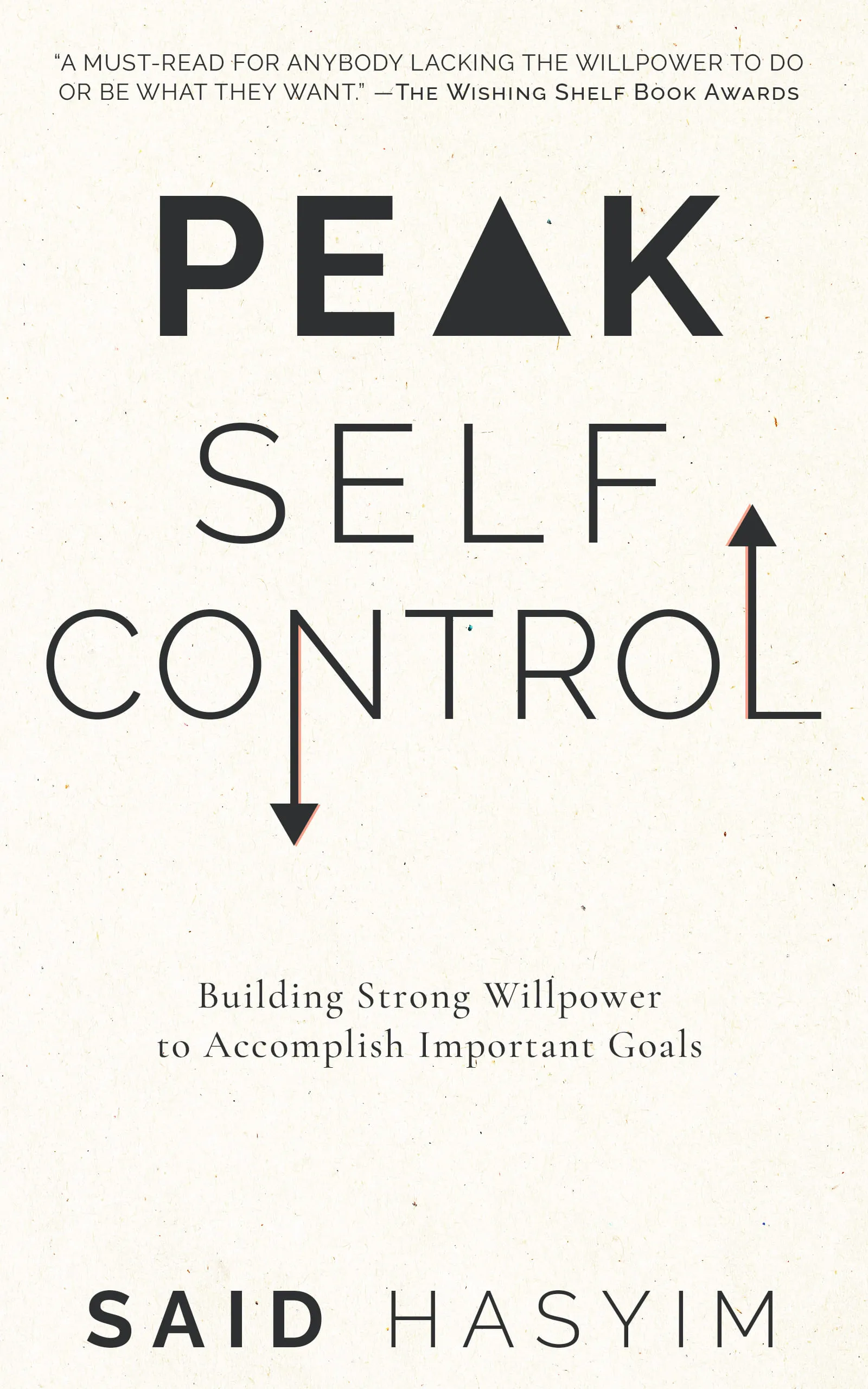
Start Mastering Self-Discipline Today
Discover Peak Self-Control, a practical book to mastering self-discipline. Break free from distractions, build healthier habits, and improve your relationships. Gain effective strategies to enhance your willpower and make meaningful life changes, even amidst a busy schedule. Small adjustments can lead to significant improvements in your daily routine.