Key Learnings from History on Self-Control Success
Self-control is often hailed as one of the most critical components of success across various domains, including personal development, professional achievements, and even societal progress. While contemporary psychology provides a wealth of strategies for improving self-control, history offers insightful lessons that underscore the timelessness and universality of this trait. In this blog post, we’ll explore key learnings from history on self-control success that can inform our modern lives.
The Foundations of Self-Control
Understanding Self-Control
At its core, self-control is the ability to regulate one’s emotions, thoughts, and behaviors in the face of temptations and impulses. Historically, societies have recognized the value of self-control, linking it to moral character and personal virtue. Cultures around the world have celebrated figures embodying discipline, restraint, and moderation, laying the groundwork for understanding its significance.
Ancient Philosophies
The foundations of self-control can be traced back to ancient philosophies. For instance:
Stoicism: This Greek school of thought emphasized the importance of rationality and self-discipline. Stoics believed that true happiness stems from within, and that individuals should aspire to maintain composure in the face of adversity. Figures like Epictetus and Seneca taught the art of self-control, highlighting the ability to detach oneself from external circumstances to maintain inner peace.
Buddhism: Central to Buddhist teachings is the concept of mindfulness and the practice of sitting with one's thoughts and emotions without immediate reaction. The Eightfold Path encourages right action, right intention, and self-discipline, which are all critical in cultivating self-control.
Historical Figures Who Emphasized Self-Control
Several historical figures serve as exemplars of self-control, demonstrating how this quality can lead to success.
Mahatma Gandhi
Mahatma Gandhi touted self-control as pivotal to his philosophy of non-violence (ahimsa) and civil disobedience. Throughout his life, he practiced fasting and other forms of self-denial that fostered discipline. His ability to remain calm in the face of oppression allowed him to inspire millions and effect political change in India, highlighting that control over oneself can translate into broader social impacts.
Benjamin Franklin
Benjamin Franklin, one of America’s Founding Fathers, is renowned for his personal development efforts, including his commitment to self-improvement. He devised a system for tracking his resolutions, ensuring accountability and encouraging habitual self-control. Franklin’s famous aphorisms—such as "Early to bed and early to rise makes a man healthy, wealthy, and wise"—underscore the importance of discipline in his life and work.
Nelson Mandela
For Nelson Mandela, self-control was not just introspective; it was about maintaining focus and resolve during 27 years of imprisonment. His ability to resist despair, maintain hope, and eventually lead a nation toward reconciliation after years of apartheid showcases how self-control can be a powerful tool for both personal and collective transformation.
Lessons from History on Cultivating Self-Control
The lives of these figures offer numerous lessons on cultivating self-control that are still relevant today:
1. Develop a Strong Sense of Purpose
Having a clear vision or purpose provides motivation and a framework for decision-making. Those with strong self-control often have well-defined goals that direct their actions. Epictetus encapsulates this in his teaching: “It's not what happens to you, but how you react to it that matters.” Identifying what truly matters allows individuals to prioritize efforts, even in the face of distractions.
2. Embrace Delayed Gratification
Many historical leaders have exemplified the art of delayed gratification. This is not simply putting off rewards but rather understanding that immediate pleasures may lead to long-term losses. The marshmallow experiment in psychology illustrates that children who can delay gratification tend to have better life outcomes. This principle is echoed in history, where individuals who resisted short-term temptations often achieved greater long-term success.
3. Practice Mindfulness and Reflection
Practicing mindfulness, as seen in Buddhist traditions and even in the writings of Stoics, promotes self-awareness and helps individuals understand their reactions to temptations. Regular reflection on one’s values, actions, and goals can reinforce self-control. Keeping a journal, meditating, or engaging in self-assessment exercises encourages a deeper understanding of oneself.
4. Build a Support System
History teaches us the value of community in fostering self-control. Leaders like Gandhi and Mandela didn’t navigate their journeys alone; they relied on the support of collective movements. Surrounding oneself with people who encourage accountability and share similar goals can create an environment conducive to self-control.
5. Learn from Mistakes
While self-control is an essential asset, nobody is perfect. Historical figures, too, faced setbacks. What is important is the ability to learn from mistakes and setbacks. Adopting a growth mindset allows individuals to see failures as opportunities for learning rather than indicators of worth.
6. Establish Routines and Rituals
Routines and rituals serve as scaffolding for self-control. Individuals like Benjamin Franklin employed structured days to build positive habits. Routines reduce the cognitive load involved in decision-making and can facilitate long-term self-management.
Conclusion
Throughout history, self-control has proven to be a cornerstone of success, both personally and collectively. The lives of remarkable individuals show us that self-control is not merely about restraint; it is about conscious choices aligned with deeper values and the foresight to prioritize long-term goals over immediate gratification.
As we navigate the complexities of modern life, these lessons from our past can guide us in making choices that enhance our lives, contribute to positive outcomes, and inspire others in their journeys. By embodying the principles of self-control, we can build a more fulfilling and successful existence, true to the insights of those who paved the way before us.
In the end, practicing self-control is not just an individual effort; it's a commitment to our own potential and the betterment of society as a whole. May we all strive to learn from history and harness the power of self-control for the challenges that lie ahead.
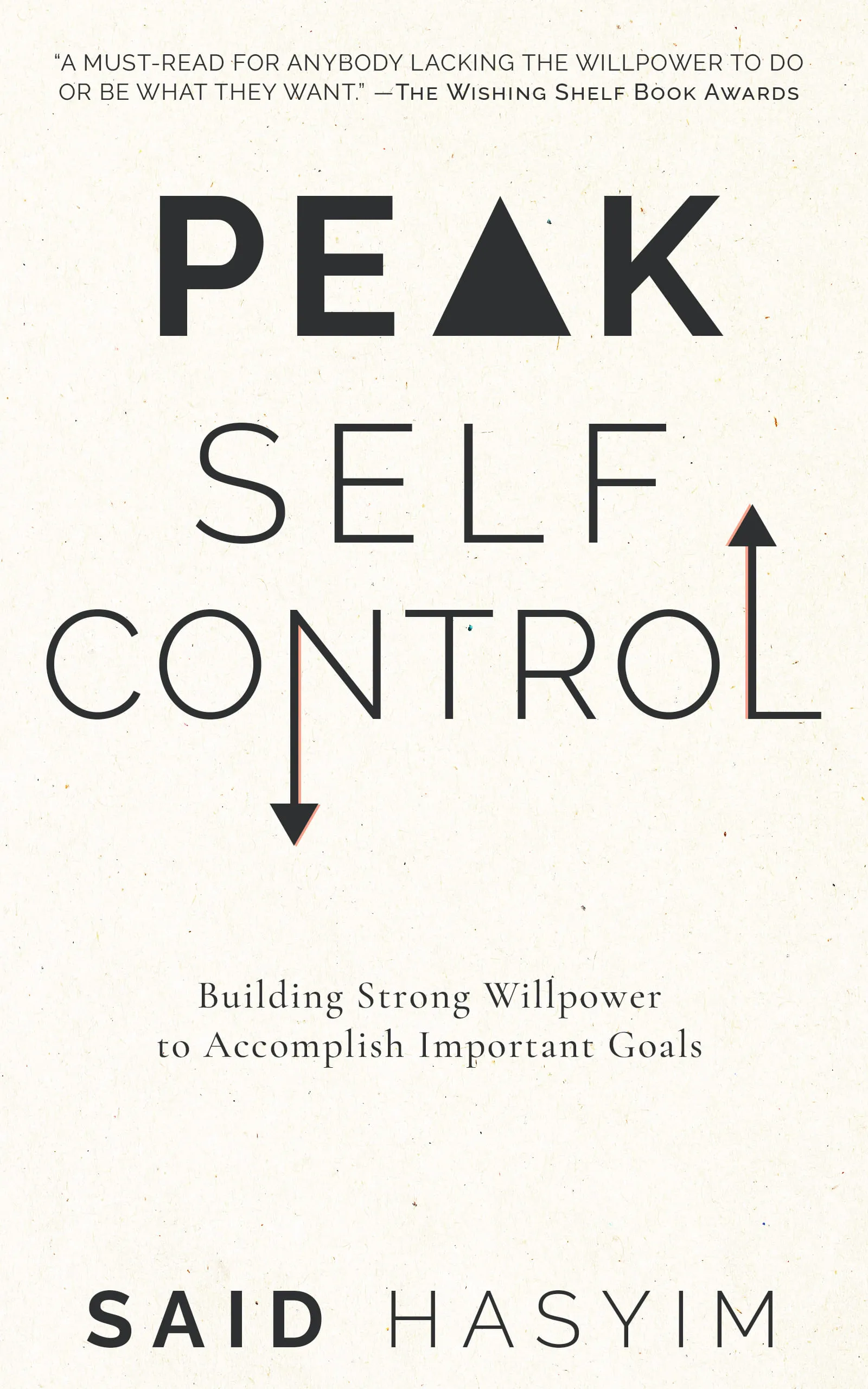
Start Mastering Self-Discipline Today
Discover Peak Self-Control, a practical book to mastering self-discipline. Break free from distractions, build healthier habits, and improve your relationships. Gain effective strategies to enhance your willpower and make meaningful life changes, even amidst a busy schedule. Small adjustments can lead to significant improvements in your daily routine.