How to Identify and Remove Distractions
In our fast-paced, hyper-connected world, distractions are more plentiful than ever. From social media notifications to the constant pinging of emails, it can be challenging to maintain focus on the tasks at hand. Whether you're a student trying to study, a professional working on a project, or anyone attempting to engage in deep work, knowing how to identify and remove distractions is essential for enhancing productivity and achieving your goals.
Understanding Distractions
Before we can tackle distractions, it’s important to understand what they are and how they affect us. Distractions can be classified into two main categories:
External Distractions: These are stimuli from the environment that divert your focus. They can include noise, interruptions from colleagues, or even the presence of electronic devices in your surroundings.
Internal Distractions: These arise from within yourself and can include wandering thoughts, daydreaming, or the urge to indulge in less significant activities (like browsing social media).
Identifying which type of distraction you face is crucial for developing effective strategies to combat them.
Step 1: Conduct a Self-Assessment
To effectively remove distractions, the first step is to conduct a thorough self-assessment. Take some time to reflect on your daily routines and habits. Here are some questions to help you in this process:
- What times of the day am I most productive?
- When do I find myself getting distracted?
- What specific activities or environments lead to distractions?
- Do certain people or technology tend to distract me more than others?
By answering these questions, you’ll gain insights into your personal distraction patterns. You can even consider keeping a distraction log for a week to track when, where, and why you get distracted.
Step 2: Identify External Distractions
Once you’ve conducted your self-assessment, it's time to narrow down the external distractions. Here are some systematic steps to identify them:
Create a Distraction Inventory: Write down all the external factors that divert your attention, whether they’re physical (like noise from a busy environment) or digital (like notifications from apps).
Analyze Your Environment: Observe your workspace. Is it cluttered? Are there too many visual stimuli that can take your eyes away from your work?
Evaluate Negative Influences: Consider the people around you. Are there friends, family, or colleagues who pull you away from your tasks frequently? Recognizing these relationships is crucial.
Limit Technology Usage: Identify apps and websites that are your go-to distractions. If Facebook, Instagram, or endless YouTube videos tend to distract you from your tasks, make a note.
Step 3: Identify Internal Distractions
Having dealt with external distractions, it’s time to turn your attention inward. Internal distractions can be more subtle, but addressing them is just as important.
Monitor Your Thoughts: Become aware of your thought patterns. Do you find your mind wandering off during important tasks? Keep a journal of what you think about when you lose focus.
Understand Emotional Triggers: Emotional states like boredom, stress, or anxiety can lead your mind to distraction. Recognizing these emotions might help you understand why you’re turning to less productive activities.
Take Breaks: Sometimes, internal distractions stem from fatigue or burnout. Schedule short breaks to recharge and clear your mind. This can help improve focus when you return to your work.
Step 4: Remove External Distractions
Now that you've identified your distractions, it's time to take action. Here’s how you can minimize or eliminate external distractions:
Declutter Your Workspace: Remove unnecessary items from your desk. A clean and organized space can lead to improved concentration.
Create a Quiet Environment: If noise is a distraction, consider using noise-canceling headphones or white noise apps. Alternatively, you can create a designated quiet area for work.
Limit Technology Distractions: Turn off non-essential notifications on your devices. Consider using apps that block distracting websites during work hours.
Establish Boundaries: Communicate your need for uninterrupted time with your colleagues or family. Set specific times when you will be focused on work and let them know not to disturb you unless it’s urgent.
Step 5: Manage Internal Distractions
Once external distractions are under control, address the internal ones with focused strategies:
Practice Mindfulness: Engage in mindfulness activities such as guided meditation or deep-breathing exercises. These practices can help you develop a stronger awareness of your thoughts and feelings.
Set Clear Goals: Break your tasks into smaller, manageable objectives. Knowing what you need to achieve can help maintain your focus and combat wandering thoughts.
Stay Engaged: Choose activities that engage your interest. If you’re working on something you find boring, try to connect it to your interests or set a reward for completing it.
Establish a Routine: Having a consistent daily routine can limit indecisiveness and make it easier to stick to focused work periods.
Step 6: Reflect and Adjust
Finally, it’s vital to continually assess and adjust your strategies in combating distractions. After implementing your strategies, spend time evaluating their effectiveness:
- Are you feeling more productive?
- Are certain distractions still affecting you?
- What strategies can you tweak for better results?
Maintaining a flexible mindset will allow you to adapt your approach as necessary.
Conclusion
Distractions can significantly impede progress and productivity, but with intentional strategies and self-awareness, they can be effectively managed. By identifying both external and internal distractions, establishing boundaries, and practicing mindfulness, you will cultivate a more focused and productive work environment.
As we navigate through life’s complexities, the ability to concentrate is invaluable. Dedicate time to really understand your distractions, and take small yet significant steps towards eliminating them. Your future self will thank you. Happy focusing!
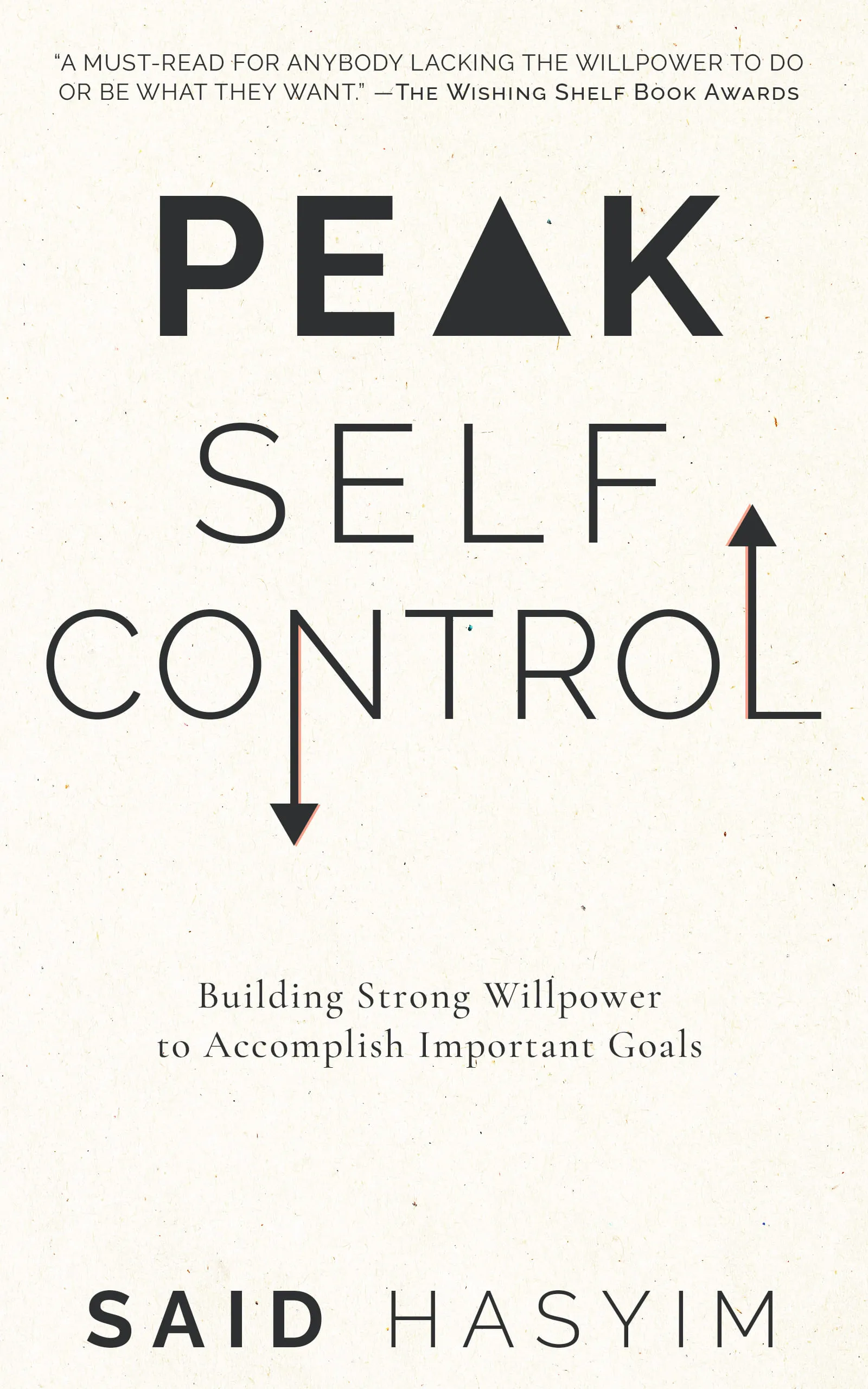
Start Mastering Self-Discipline Today
Discover Peak Self-Control, a practical book to mastering self-discipline. Break free from distractions, build healthier habits, and improve your relationships. Gain effective strategies to enhance your willpower and make meaningful life changes, even amidst a busy schedule. Small adjustments can lead to significant improvements in your daily routine.