How to Evaluate Your Current Self-Discipline
Self-discipline is an essential skill that impacts virtually every aspect of our lives, from work productivity to personal health and relationships. In a fast-paced world filled with distractions, evaluating our self-discipline has never been more crucial. So, how do you assess your current self-discipline? In this blog post, we'll explore practical steps you can take to evaluate your self-discipline, identify areas for improvement, and build a more disciplined mindset.
Understanding Self-Discipline
Before diving into the evaluation process, it’s essential to understand what self-discipline is. At its core, self-discipline is the ability to control one’s impulses, emotions, and behaviors to achieve long-term goals. It involves making choices that align with our values, even when those choices are difficult or contrary to what we may want in the moment.
Self-discipline is not merely about resisting temptations; it also encompasses:
- Goal setting: Knowing what you want to achieve and creating a roadmap.
- Time management: Prioritizing tasks effectively to ensure completion.
- Consistency: Committing to actions that lead to desired outcomes over time.
- Self-awareness: Understanding your strengths and weaknesses in relation to discipline.
Steps to Evaluate Your Self-Discipline
1. Reflect on Your Goals
Start by listing your short-term and long-term goals. Consider various areas of your life, such as career aspirations, health and fitness objectives, financial targets, and personal development desires. Ask yourself:
- Are these goals specific, measurable, achievable, relevant, and time-bound (SMART)?
- How committed are you to these goals? Are you reminded of them consistently?
2. Assess Your Current Habits
Once you have your goals outlined, take a closer look at your daily habits. Self-discipline often manifests in small, consistent actions. Reflect on questions like:
- What are your daily routines?
- Are there positive habits that contribute to your goals?
- Are there negative habits that hinder your progress?
To aid your assessment, consider keeping a journal for a week. Document your daily activities, noting when you felt disciplined and when you veered off course.
3. Identify Triggers and Obstacles
Understanding the factors that influence your self-discipline is crucial. Look for patterns that may be affecting your ability to stay disciplined. Consider:
- Triggers: Are there specific situations, environments, or emotions that lead you to break your commitments?
- Obstacles: What external or internal barriers are preventing you from maintaining self-discipline? This could include procrastination, lack of motivation, or distractions.
4. Evaluate Your Willpower
Willpower is often considered the backbone of self-discipline. Self-control can diminish throughout the day, especially if you face numerous temptations. To gauge your willpower:
- Monitor your ability to stick to commitments throughout the day. Are there certain times when your discipline weakens?
- Reflect on moments when you successfully resisted temptations. What strategies did you use, and how can you apply them in the future?
5. Seek Feedback from Others
Sometimes, it’s hard to have an objective view of ourselves. Enlist the help of trusted friends, family members, or colleagues. Ask them for feedback regarding your self-discipline:
- Have they noticed patterns of behavior that either support or undermine your goals?
- How do they perceive your commitment level to your personal and professional aspirations?
6. Measure Progress
A significant part of evaluating self-discipline is tracking your progress toward your goals. If you have been working on a specific objective, assess how far you've come:
- Keep a progress chart or a checklist that illustrates your adherence to your self-discipline goals.
- Celebrate milestones, no matter how small. Recognizing achievement encourages further discipline.
7. Cultivate Self-Compassion
It’s easy to be hard on yourself when you recognize areas for improvement in your self-discipline. However, practicing self-compassion is vital. Remember:
- Everyone struggles with self-discipline at times.
- Use setbacks as opportunities for learning rather than as reasons for self-criticism.
Take note of what went wrong and how you can adjust your strategies going forward.
Setting a Plan for Improvement
Once you’ve evaluated your self-discipline, it’s time to set a plan for improvement. Focus on the following:
1. Set Clear and Achievable Goals
As previously discussed, ensure your goals are SMART. This clarity provides direction and helps maintain motivation.
2. Develop Healthy Routines
Consider creating a daily routine that incorporates habits aligned with your goals. Structure your day to minimize distractions and foster innovation.
3. Use Tools and Resources
Identify apps, timers, planners, or techniques such as the Pomodoro technique to help you stay focused and organized.
4. Build a Support System
Surround yourself with people who inspire and support your self-discipline journey. Sharing your goals with others can increase accountability.
5. Regularly Review and Adjust
Revisit your self-discipline evaluation periodically. This can be weekly or monthly, depending on your preference. Adapt your goals and strategies as needed based on your insights.
Conclusion
Evaluating your self-discipline is an ongoing process that requires reflection, honesty, and adaptability. By understanding your goals, assessing your current habits, identifying obstacles, and seeking feedback, you can gain invaluable insight into your discipline levels. Remember, self-discipline is a skill that can be developed and honed over time. Embrace this journey, and take proactive steps toward becoming the disciplined individual you aspire to be.
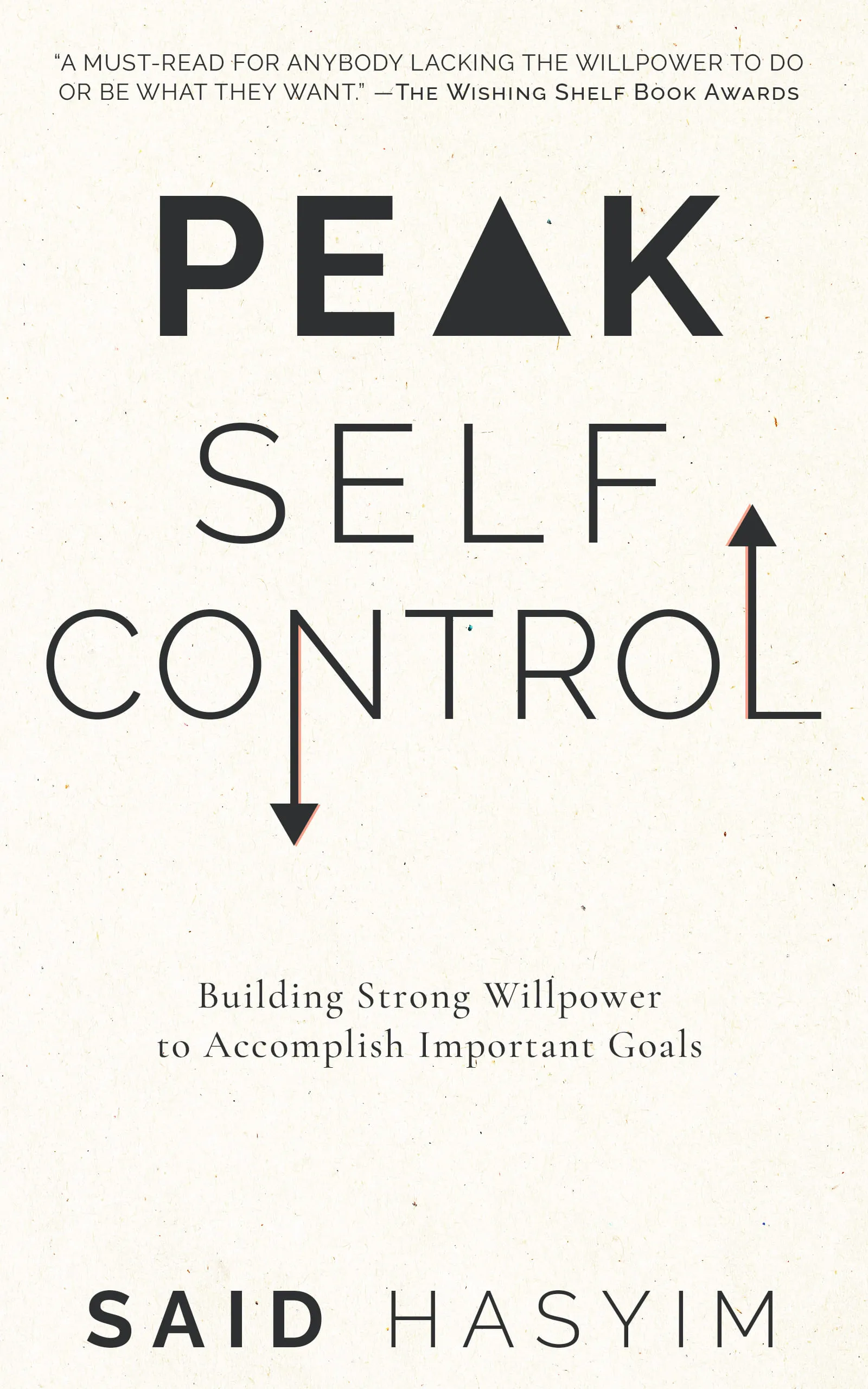
Start Mastering Self-Discipline Today
Discover Peak Self-Control, a practical book to mastering self-discipline. Break free from distractions, build healthier habits, and improve your relationships. Gain effective strategies to enhance your willpower and make meaningful life changes, even amidst a busy schedule. Small adjustments can lead to significant improvements in your daily routine.