How Habits Form the Foundation of Willpower
In the intricate tapestry of human behavior, habits play a critical role that is often underestimated. They serve as the foundation upon which our willpower is built. By understanding the interplay between habits and willpower, we can unlock a powerful strategy for personal growth and transformation. This blog post delves into how habits are formed, the psychological principles behind them, and how they can significantly influence our willpower.
What Are Habits?
At their core, habits are behaviors that we perform automatically, often without conscious thought. They emerge as a result of repeated actions and decisions that become ingrained in our minds and bodies. According to the psychological model known as the habit loop, there are three primary components that make up a habit:
Cue: This is the trigger that initiates the habit. It can be anything from a specific time of day, an emotional state, or even the environment around us.
Routine: This is the behavior or action that follows the cue. It is the heart of the habit and is often what we aim to change or cultivate.
Reward: Finally, there’s the reward, which serves to reinforce the habit. It could be a feeling of satisfaction, relief, or even a tangible benefit that results from the behavior.
Over time, the loop strengthens through reinforcement, making it increasingly difficult to change once it is set in motion.
The Science Behind Habit Formation
Habits are deeply embedded in the brain’s structure and functioning. Neuroscience research has shown that when we establish a habit, the brain shifts the processing of that behavior from the prefrontal cortex (the area responsible for decision-making and self-control) to the basal ganglia, a region critical to the formation of habits and routine tasks.
This shift has significant implications for willpower. When a behavior becomes habitual, it requires less mental effort and willpower to execute. However, the initial formation of a habit usually demands considerable self-control and conscious effort. This is where the dilemma arises: willpower can be a limited resource, often subject to depletion throughout the day.
The Role of Willpower in Habit Formation
Willpower is frequently thought of as the mental faculty that enables individuals to resist short-term temptations in order to achieve long-term goals. However, it is essential to recognize that willpower is not just about resisting; it is also about consistently executing desired behaviors.
In the beginning stages of forming a habit, willpower plays a pivotal role. We must consciously choose the behavior we wish to repeat, often battling against ingrained tendencies or the lure of instant gratification. As we practice and repeat this behavior, it gradually becomes part of our routine and requires less willpower.
The “Muscle” of Willpower
Just like a muscle, willpower can be strengthened through use. Starting with small changes can build the willpower capacity that supports larger, more significant habits over time. For example, using willpower to make a healthy choice at lunch can bolster your resolve when faced with temptations later in the day.
Conversely, willpower can become fatigued. When we overextend ourselves or face multiple challenges, our willpower may wane, making it harder to stick to the newly formed habits. This is why it’s crucial to establish a supportive environment that encourages positive habits while minimizing temptations.
The Connection between Habits and Willpower
The relationship between habits and willpower is reciprocal. As we cultivate new habits, we strengthen our willpower muscle, making it easier to implement further change. Conversely, when we exercise willpower effectively, we can develop better habits more rapidly.
Consider this scenario: You decide to start exercising regularly. At first, it takes considerable willpower to get yourself to the gym each morning. However, as you establish a consistent routine, the act of going to the gym becomes easier. Eventually, it requires less conscious effort, and you may even find that your willpower is now available for other areas of your life, such as healthier eating choices or improved productivity at work.
Strategies for Building Habits that Strengthen Willpower
Start Small
Begin with manageable goals. Instead of committing to an hour at the gym, aim for ten minutes of exercise daily. This lower bar reduces the mental burden and strengthens your willpower as you achieve your goal.
Establish Clear Cues
Design cues that trigger your desired habits. If you want to read more, place a book by your bed as a visual reminder. The clearer and more consistent the cues, the easier it will be to follow through.
Embrace Rewards
Incorporating rewards into your habit loop reinforces the behavior. Treat yourself to something enjoyable after exercising or achieving a daily goal, which helps to solidify the routine.
Create a Supportive Environment
Surround yourself with influences and resources that promote your desired habits. This can mean hiring a coach, finding an accountability partner, or even rearranging your living space to eliminate distractions.
Practice Mindfulness
Being mindful of your thoughts and actions can lead to greater self-awareness, making it easier to identify triggers and automatic responses. This helps you consciously redirect your behavior and strengthen both your habits and willpower.
Be Patient
Change takes time, and building lasting habits requires consistent effort. Don’t get discouraged by setbacks; they are part of the learning process.
Conclusion
In essence, habits are the unsung heroes of personal growth, serving as the bedrock upon which willpower is built. By understanding how habits form, and recognizing the interplay between habits and willpower, we can create strategies that enable lasting change in our lives.
The journey to cultivating positive habits may be challenging, but it is a necessary pathway for fostering willpower and ultimately achieving our goals. As you embark on this journey, remember that the key lies not just in sheer determination but also in systematically creating an environment where positive habits can thrive.
Through commitment, consistency, and a little patience, you can harness the power of habits to bolster your willpower and transform your life. Let the journey begin!
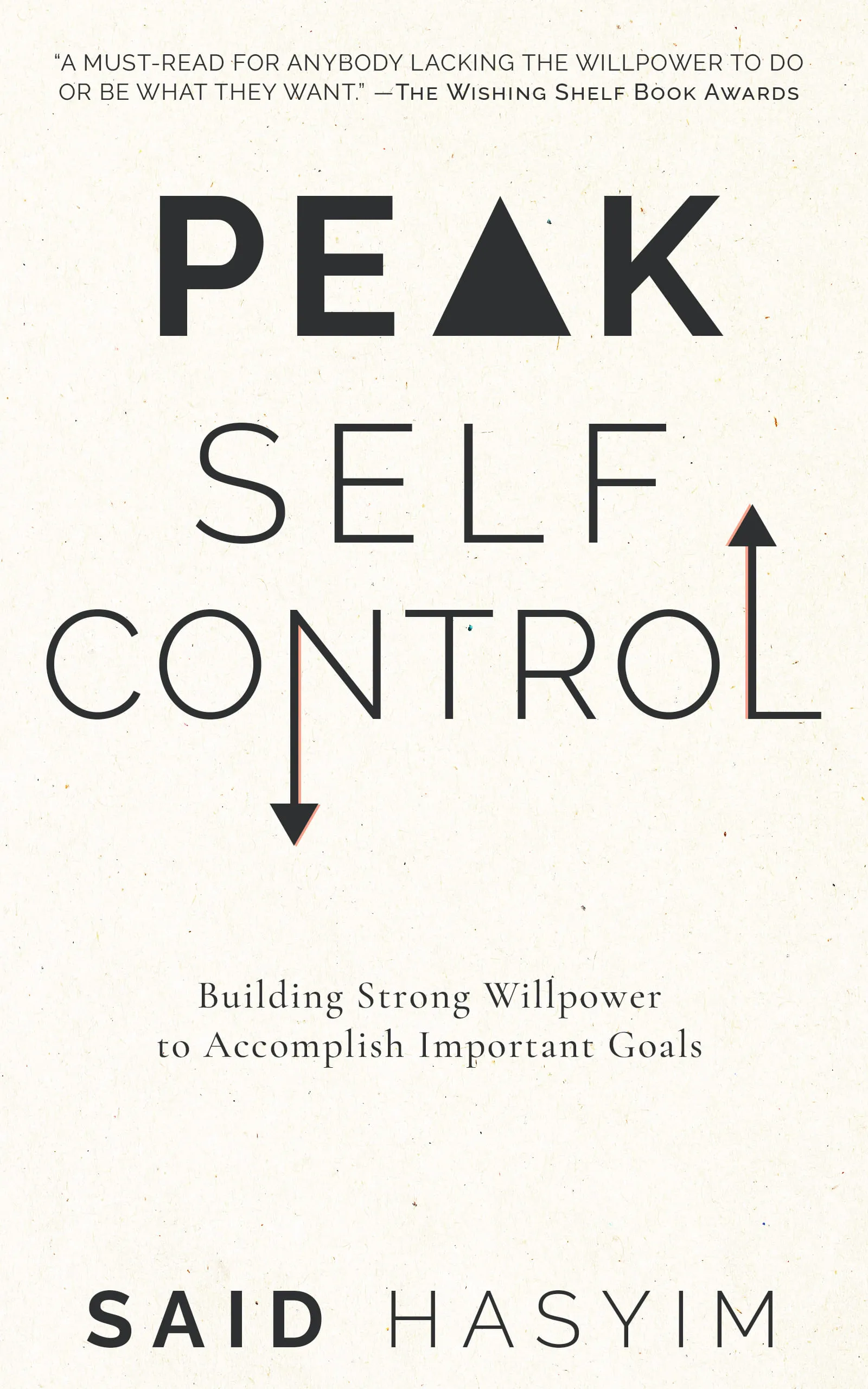
Start Mastering Self-Discipline Today
Discover Peak Self-Control, a practical book to mastering self-discipline. Break free from distractions, build healthier habits, and improve your relationships. Gain effective strategies to enhance your willpower and make meaningful life changes, even amidst a busy schedule. Small adjustments can lead to significant improvements in your daily routine.