Finding Peace Through Self-Control Practices
In our fast-paced world, where distractions are abundant and instant gratification is just a click away, cultivating self-control has become more crucial than ever. The ability to manage our impulses, emotions, and reactions can profoundly impact our overall well-being, mental health, and quality of life. But how do we cultivate this self-control? How can it lead us to a more peaceful existence? In this post, we will delve into various self-control practices that can help foster inner peace.
Understanding Self-Control
Before exploring practices, it’s essential to understand what self-control truly entails. Self-control, in simple terms, is the ability to regulate your emotions, thoughts, and behaviors in the face of temptations and impulses. It's about making choices that align with your long-term goals rather than succumbing to short-term desires.
Self-control is not just about restraint; it's about understanding and managing your behavior in a way that aligns with your values and desires for a peaceful life. When we practice self-control, we become more aware of our choices and their implications. This awareness can lead to greater emotional resilience and a deeper sense of calm.
The Benefits of Self-Control
Practicing self-control has numerous benefits that extend beyond the immediate satisfaction of resisting temptation:
Improved Mental Health: A higher level of self-control is associated with lower depression and anxiety levels. By managing your responses to stress or emotional challenges, you can maintain better mental health.
Better Relationships: Self-control enhances your ability to communicate and relate with others thoughtfully. When we can pause to regulate our impulses, we approach interpersonal conflicts with more empathy and understanding.
Increased Focus and Productivity: By practicing self-control, you can reduce procrastination and distractions, leading to a more focused and productive life.
Enhanced Well-being: Ultimately, people who practice self-control report feeling a greater sense of fulfillment and happiness in life.
Practical Self-Control Practices
Now that we understand the significance of self-control and its benefits, let's explore some practical practices that can help you cultivate it.
1. Mindfulness Meditation
Mindfulness meditation is an excellent practice for developing self-control. It involves focusing your attention on the present moment and acknowledging your thoughts and feelings without judgment.
How to Practice:
- Find a comfortable space where you can sit quietly for 5-10 minutes.
- Close your eyes and take deep breaths, focusing on your breath, the sensations in your body, or the sounds around you.
- When distractions arise, gently return your focus to your breath or your chosen point of awareness.
Regular mindfulness practice enhances your ability to observe impulses without acting on them, helping you build that critical gap between stimulus and response.
2. Setting Clear Goals
Establish clear, realistic goals for yourself. This can pertain to any area of your life—health, relationships, finances, etc. Clear goals serve as a compass, guiding your decisions and reinforcing self-control by providing a clear rationale for resisting distractions.
How to Set Goals:
- Write down your short-term and long-term goals.
- Break them into smaller, actionable steps.
- Review your progress regularly to stay motivated and adjust as necessary.
3. Implementing the "10-Minute Rule"
Sometimes, all it takes to exercise self-control is a moment of pause. The "10-minute rule" involves delaying a response to temptation for just ten minutes. When an impulse arises—be it reaching for junk food, an impromptu shopping spree, or snapping at a loved one—commit to waiting 10 minutes.
The Effect:
- This simple practice can allow emotions to settle and provide the space needed to make a more thoughtful decision.
4. Developing Healthy Routines
Establishing daily routines can enhance your self-control by creating a structured environment. When you have consistent habits, it becomes easier to make intentional choices and avoid being swayed by fleeting temptations.
How to Create a Routine:
- Identify key areas in your life where you want to establish routines, like morning rituals or evening wind-downs.
- Incorporate time for exercise, meal preparation, and self-care.
- Stick to this routine consistently, refining it as necessary.
5. Journaling Your Thoughts
Journaling can be a powerful self-reflective practice that allows you to process your emotions and impulses. Writing your thoughts helps clarify your feelings and intentions, making it easier to exercise self-control in challenging moments.
How to Start Journaling:
- Dedicate a few minutes each day to write freely about your thoughts and feelings.
- Use prompts like “What did I feel tempted by today?” or “How did I respond to challenges?”
- Over time, review your entries to identify patterns and areas for growth.
6. Practicing Gratitude
Gratitude shifts our focus from what we lack to what we have. This simple practice can reinforce self-control by cultivating a sense of contentment with your current situation.
How to Practice Gratitude:
- Keep a gratitude journal, writing down three things you are grateful for each day.
- Reflect on why these things are significant to you.
- Notice how cultivating gratitude impacts your desire for instant gratification and helps you appreciate the present moment.
Building a Support System
Finally, no practice is complete without a support system. Surrounding yourself with individuals who value self-control can help reinforce your efforts. Share your goals with friends or family, engage in community groups focused on personal growth, or even seek accountability partners who can encourage and support you on your journey.
Conclusion
Finding peace through self-control practices is a journey worth undertaking. The road may not always be smooth; self-control takes practice and persistence. However, through mindfulness, clear goals, intentional routines, and community support, you can cultivate the skills necessary to enhance your self-regulation over time.
Start small. Implement one or two practices into your daily routine and gradually expand as you gain confidence. Remember, each step you take toward developing self-control is a step toward greater peace and fulfillment in your life. With patience and dedication, you can pave a path of self-awareness and tranquility, ultimately leading to a deep sense of peace within yourself.
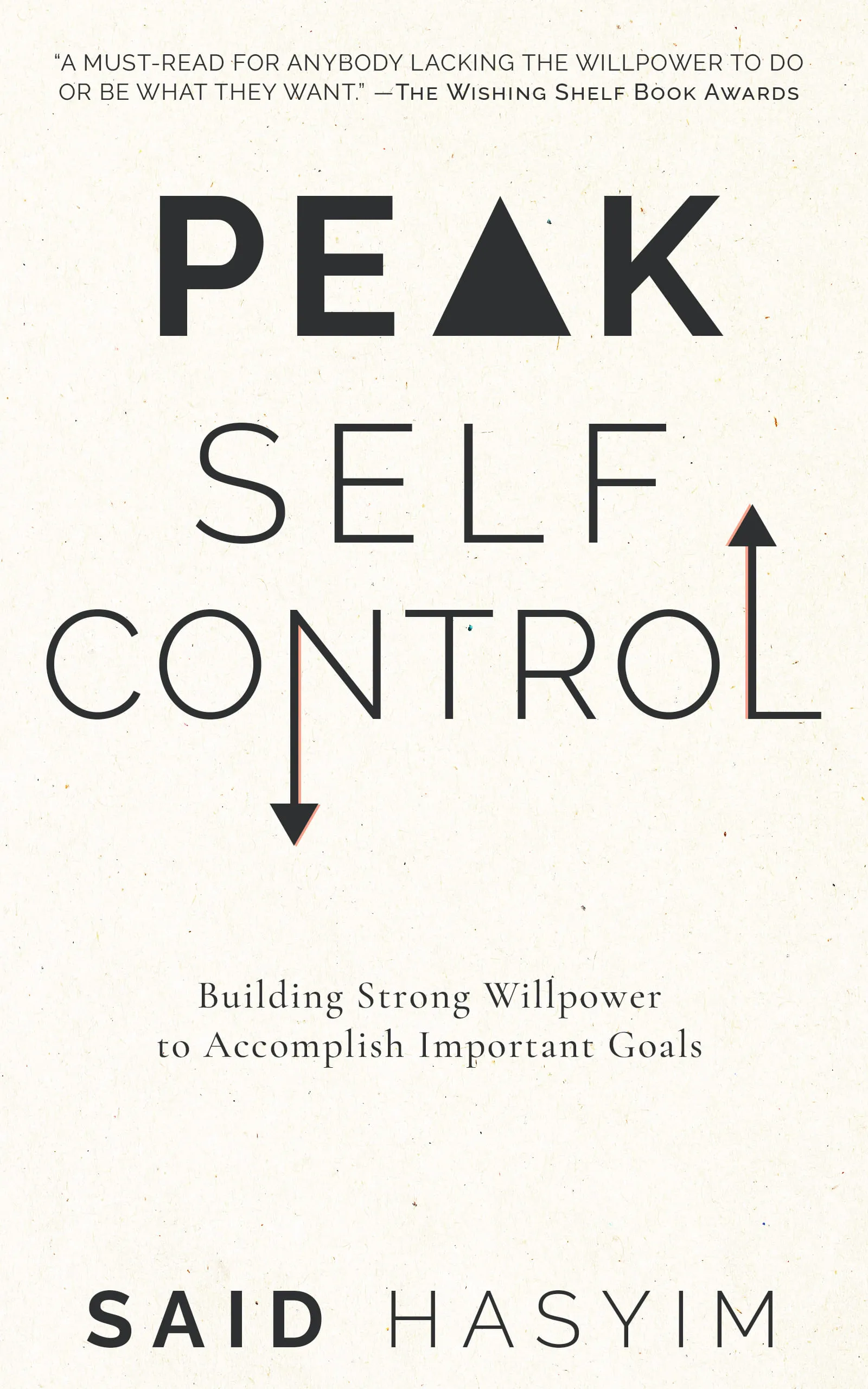
Start Mastering Self-Discipline Today
Discover Peak Self-Control, a practical book to mastering self-discipline. Break free from distractions, build healthier habits, and improve your relationships. Gain effective strategies to enhance your willpower and make meaningful life changes, even amidst a busy schedule. Small adjustments can lead to significant improvements in your daily routine.