Exploring the Myths Surrounding Self-Control
Self-control is often hailed as a virtue, a secret weapon in the battle against temptation and distraction. It is idealized in popular culture as the key to personal success, happiness, and fulfillment. However, the conversations surrounding self-control can often slip into mythmaking, leading to misunderstandings about its nature, scope, and importance in our lives. This blog post aims to debunk common myths about self-control, illuminate the nuances of this fascinating psychological trait, and offer insights that can foster a clearer understanding of how we can better approach self-regulation in our daily lives.
Myth 1: Self-Control is Innate
One of the most pervasive myths is that self-control is an inborn trait—either you have it, or you don’t. This misconception can often lead individuals feeling defeated when they struggle to resist temptations or manage their impulses.
The Reality
Self-control is not strictly an innate trait but rather a skill that can be developed over time. Studies in psychology, particularly those involving the concept of self-regulation, suggest that self-control functions similarly to a muscle. Just as physical strength can be developed through exercise, self-control can be enhanced through practice and experience.
Engaging in activities that require self-regulation can bolster one’s ability to control impulses. Consider individuals who practice mindfulness or cognitive behavioral techniques; they often report improved self-control after consistent practice.
Myth 2: Willpower is Unlimited
Another common myth is that willpower is an infinite resource. This belief can lead to the assumption that one can continually exert control over their impulses without any consequences.
The Reality
Research suggests that willpower is, in fact, a finite resource. This phenomenon is often referred to as “ego depletion.” When individuals expend large amounts of willpower on one task (say, resisting dessert), they may find it significantly harder to exercise self-control on subsequent tasks.
Understanding this limitation can help us structure our activities and environments in such a way that we conserve our willpower for moments when it is most needed. Incorporating rest and recovery into our routines and recognizing our limitations are critical aspects of effective self-management.
Myth 3: Self-Control is All About Avoidance
Many people believe that practicing self-control means simply avoiding temptation. This misconception can create a restrictive view of self-regulation, where the focus is solely on saying no.
The Reality
While avoidance can be a strategy for self-control, it is not the only one. In fact, proactive strategies can be more effective than sheer avoidance. Setting clear goals, creating supportive environments, and utilizing positive reinforcement can play a critical role in exercising self-control.
For instance, rather than merely avoiding unhealthy food, one can focus on preparing and consuming healthy meals that reinforce healthy eating habits. This approach allows for a more positive and sustainable way to practice self-control rather than relying solely on avoidance, which can lead to feelings of deprivation.
Myth 4: Self-Control Equals Self-Denial
The myth equating self-control with self-denial implies that those who exercise self-control are perpetually unhappy or deprived of pleasure.
The Reality
Contrary to this belief, exercising self-control can actually lead to heightened satisfaction and happiness in the long run. Research has shown that individuals who practice self-control tend to experience greater wellbeing, as they can achieve long-term goals rather than surrendering to fleeting impulses.
In this context, self-control should be viewed as a pathway to personal fulfillment rather than a source of deprivation. The joy of achieving one's goals, whether they pertain to health, finance, or relationships, often outweighs the temporary pleasures of indulgence.
Myth 5: Self-Control is Solely a Personal Issue
Another common belief is that self-control is an isolated, individual affair; a personal flaw that one must battle alone.
The Reality
While personal effort is undoubtedly important, self-control is deeply influenced by environmental, social, and cultural factors. The settings we inhabit—be they our homes, workplaces, or social circles—greatly affect our ability to exercise self-control.
Support systems, social norms, and external circumstances can either hinder or enhance our self-regulation. Recognizing this interdependence can empower individuals to seek out supportive communities or environments that promote healthier behaviors and decision-making processes.
Myth 6: Once You Master Self-Control, You’ve Healed
In a culture obsessed with perfectionism, there’s a belief that mastering self-control is a one-time event that signifies complete success.
The Reality
Self-control is a dynamic and ongoing process. It’s entirely normal for individuals to struggle with self-control at different stages of their lives. Factors such as stress, life changes, and personal challenges can impact one’s ability to exercise self-control.
Rather than viewing self-control as a destination, it is more beneficial to approach it as a lifelong journey. Adapting to circumstances, learning from setbacks, and reassessing our goals can contribute to a more sustainable practice of self-regulation.
Conclusion
Self-control is a multifaceted trait, not merely a battle of willpower but a complex interplay of skills, environmental factors, and individual growth. By debunking the myths surrounding self-control, we create a framework that allows us to view it with nuance and compassion.
Instead of cultivating environments of denial and restriction, we can foster positive relationships with our impulses and develop practical strategies that support our goals. Ultimately, understanding self-control in its complexity invites us to embrace the ongoing journey of self-improvement, community support, and personal fulfillment.
As we explore and demystify self-control, we can equip ourselves with the knowledge and tools to navigate life's challenges more effectively, leading to a more balanced and satisfying life.
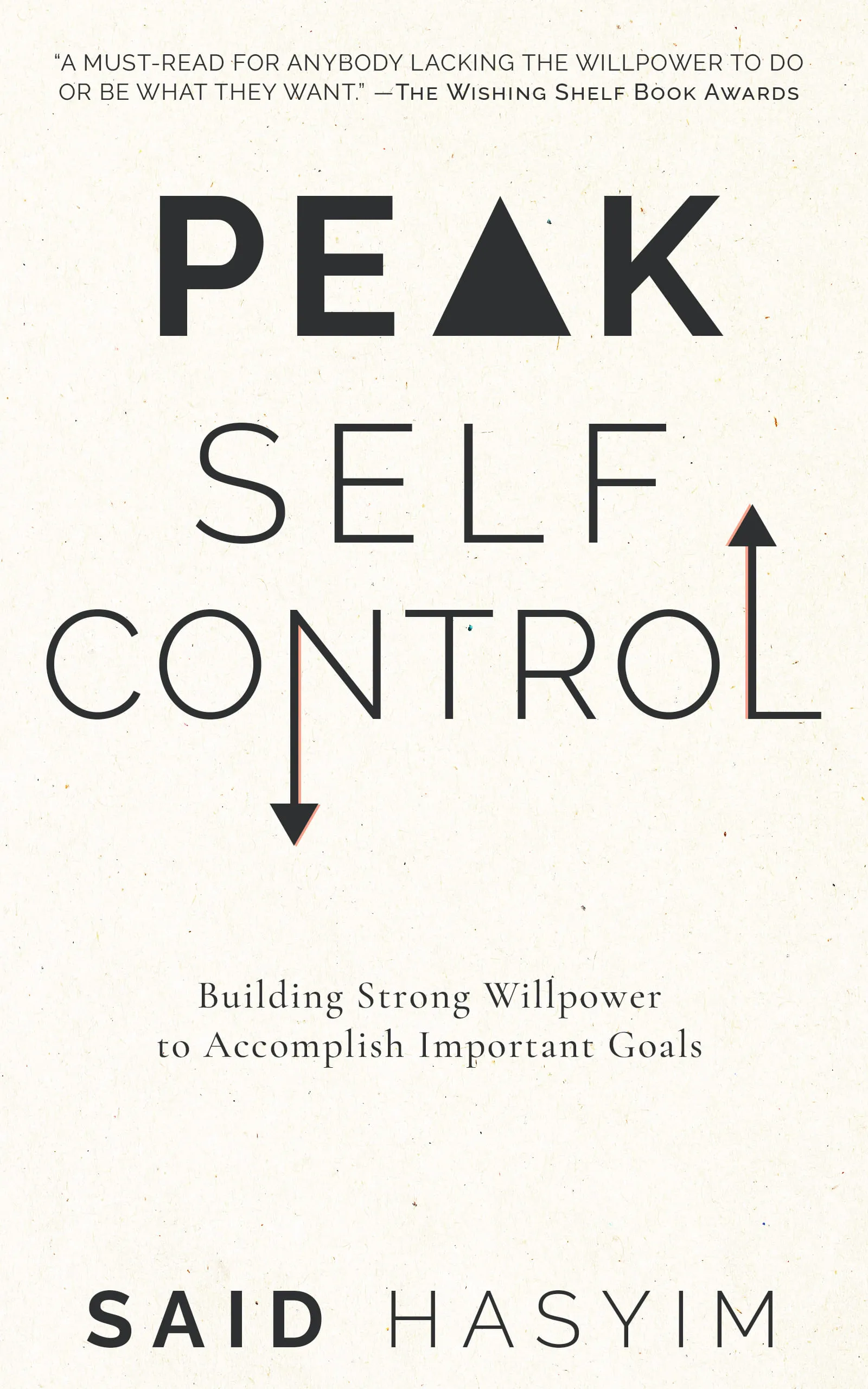
Start Mastering Self-Discipline Today
Discover Peak Self-Control, a practical book to mastering self-discipline. Break free from distractions, build healthier habits, and improve your relationships. Gain effective strategies to enhance your willpower and make meaningful life changes, even amidst a busy schedule. Small adjustments can lead to significant improvements in your daily routine.