Emotional Intelligence and Self-Control Synergy
In our fast-paced and often chaotic world, the concepts of emotional intelligence (EI) and self-control have emerged as critical skills for personal and professional success. But rather than viewing these two skills in isolation, it is essential to understand how they interact and create a synergy that can dramatically enhance one's life. This blog post delves into the relationship between emotional intelligence and self-control, exploring their definitions, significance, and the synergistic benefits they provide.
Understanding Emotional Intelligence
Emotional intelligence refers to the ability to recognize, understand, and manage our own emotions, as well as the emotions of others. Psychologists usually break EI down into five key components:
Self-awareness: The ability to recognize and understand your own emotions and how they affect your thoughts and behavior.
Self-regulation: The ability to manage your emotions, control impulses, and handle stress in a healthy manner.
Motivation: The drive to pursue goals with energy and persistence; this extends beyond mere external rewards and taps into internal drivers and values.
Empathy: The ability to understand and share the feelings of others, which fosters better communication and relationships.
Social skills: The skills necessary for managing relationships and building networks, which enable effective interaction and collaboration with others.
Each component plays a crucial role in how we interact with the world, and cultivating these skills can lead to improved relationships, better decision-making, and enhanced overall well-being.
The Essence of Self-Control
Self-control, often regarded as self-discipline or willpower, involves the ability to regulate one's thoughts, emotions, and behaviors in the face of temptations and impulses. It serves as a foundation for achieving long-term goals and maintaining focus. Self-control can be thought of in several dimensions:
Delay of gratification: The ability to resist the temptation for an immediate reward and wait for a larger reward in the future.
Impulse control: The capacity to refrain from acting on instinctive urges that may lead to negative consequences.
Emotion regulation: The ability to modulate emotional responses to situations, allowing for calmer and more rational decision-making.
Research indicates that self-control is a vital predictor of success across various life domains, including academics, career, health, and relationships.
How Emotional Intelligence and Self-Control Work Together
The Interplay Between EI and Self-Control
While emotional intelligence and self-control are distinct constructs, they are heavily interconnected. Emotional intelligence enhances self-control in several ways:
Self-Awareness: The first step in exercising self-control often lies in self-awareness. Understanding how emotions influence behaviors allows individuals to identify triggers and manage their impulses more effectively. A person with high emotional intelligence can recognize when they are being driven by strong emotions that may lead to rash decisions and exercise better self-control.
Self-Regulation: This is a natural extension of emotional intelligence. A strong grasp of one's emotional state equips individuals with the tools to manage their reactions and impulses. For example, an emotionally intelligent person can assess a stressful situation, recognize feelings of frustration, and utilize self-regulation techniques—such as deep breathing or stepping back—to avoid knee-jerk reactions.
Empathy: Emotional intelligence fosters empathy, which can lead to more thoughtful consideration of our actions and their impact on others. This consideration enhances self-control by motivating individuals to act in ways that align with their values and the expectations of others, particularly in social scenarios.
The Benefits of EI and Self-Control Synergy
When emotional intelligence and self-control work in tandem, the benefits are abundant:
Enhanced Decision-Making
Individuals with high EI and self-control are better equipped to make thoughtful, deliberate choices rather than succumbing to momentary whims. This calm approach aids in evaluating situations more objectively, leading to more favorable outcomes.
Improved Relationships
Combining emotional intelligence and self-control allows for more constructive communication and conflict resolution. Awareness of one's emotions and those of others leads to more skilled interactions, reducing misunderstandings and fostering deeper, more meaningful relationships.
Greater Resilience
The synergy of EI and self-control enhances resilience in the face of challenges. When setbacks occur, individuals who can regulate their emotions and maintain control can respond adaptively, learning from experiences rather than feeling defeated.
Increased Goal Achievement
Self-control propels individuals toward long-term goals, while emotional intelligence provides the motivational and emotional tools needed to navigate the pain and patience often required to reach those goals. This combination cultivates persistence and drive, positioning individuals for success.
How to Cultivate the Synergy of EI and Self-Control
The good news is that, while emotional intelligence and self-control can be nurtured and developed over time, there are practical strategies you can implement to enhance both skills:
Mindful Reflection: Dedicate regular time for self-reflection. Journaling can be a powerful tool for gaining insight into your emotions, triggers, and responses, leading to heightened self-awareness and better self-regulation.
Practice Emotional Regulation Techniques: Develop and practice strategies to manage emotions when they arise, such as mindfulness exercises, breathing techniques, or guided meditation.
Set Specific Goals: Establish clear and achievable goals that align with your values. This foundation will provide motivation and focus, while also enabling you to practice self-control in the pursuit of these objectives.
Seek Feedback: Communicate with trusted friends, colleagues, or mentors who can provide constructive feedback on your emotional responses and behavior. This input can shed light on areas for improvement and enhance self-awareness.
Engage in Empathy Training: Take time to listen and understand others' perspectives. Engaging in role-playing exercises or active listening activities can sharpen your empathy skills.
Create Positive Environments: Surround yourself with people who uplift and support you. Positive influences can reinforce emotional well-being and encourage better self-control.
Conclusion
The synergy between emotional intelligence and self-control is an essential element for personal growth and success. By working on both skills, individuals can enhance their decision-making, build healthier relationships, become more resilient, and achieve their goals more effectively.
Emotional intelligence may help recognize and manage feelings, while self-control enables individuals to channel those emotions positively. Ultimately, harnessing the power of this synergy paves the way for a more fulfilling and centered life, where individuals can thrive in both their personal and professional arenas. Embrace these skills, nurture them, and enjoy the game-changing impact they can have on your journey.
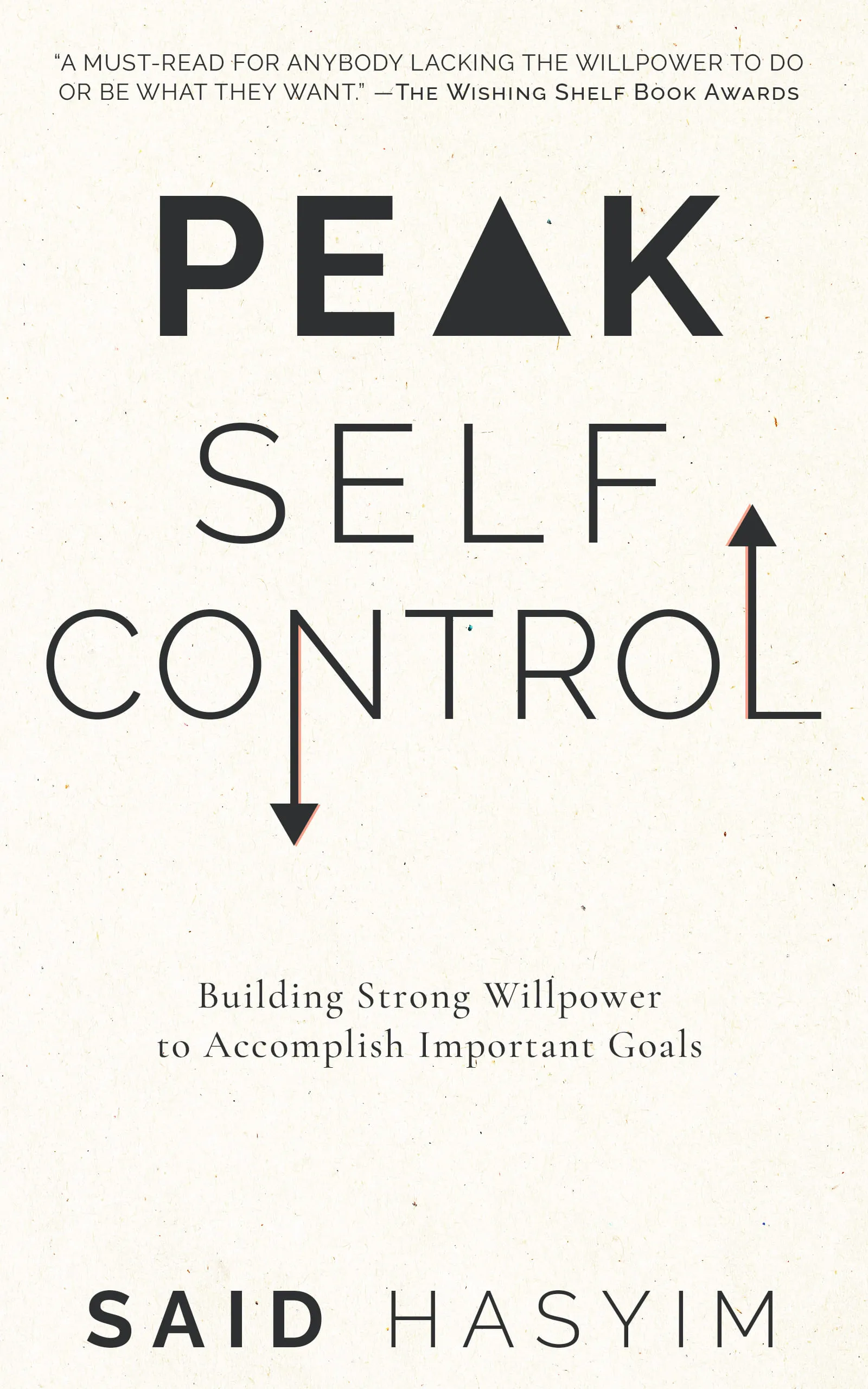
Start Mastering Self-Discipline Today
Discover Peak Self-Control, a practical book to mastering self-discipline. Break free from distractions, build healthier habits, and improve your relationships. Gain effective strategies to enhance your willpower and make meaningful life changes, even amidst a busy schedule. Small adjustments can lead to significant improvements in your daily routine.