Cultivating Patience: A Key to Stronger Self-Control
In a world that thrives on instant gratification, where we have access to everything at our fingertips, the virtue of patience can seem like an archaic concept. Yet, developing patience is essential in many aspects of life, from personal relationships to professional endeavors. By cultivating patience, we unlock the door to stronger self-control—a skill that not only helps us meet our goals but also enriches our lives.
What is Patience?
Patience can be defined as the ability to endure difficult circumstances, delay gratification, and maintain calmness amid frustrations. It is not simply the act of waiting but the ability to remain composed and understanding while doing so. In essence, patience is a skill that we can develop over time.
The Role of Patience in Self-Control
Self-control is the capacity to regulate one’s emotions, thoughts, and behaviors in the face of temptations and impulses. When we lack self-control, we often find ourselves succumbing to instant pleasures that derail us from our long-term goals.
Patience and self-control are intricately linked. When we practice patience, we train ourselves to delay gratification, avoid impulsive decisions, and adhere to our values and commitments. This synergy allows us to focus on what truly matters, leading to enhanced well-being and success.
The Benefits of Cultivating Patience
Improved Decision-Making: When we pause and think through our decisions instead of rushing into them, we open ourselves to better reasoning. Patience allows us to weigh the pros and cons more thoroughly, leading to choices that align more closely with our long-term goals.
Stronger Relationships: Demonstrating patience in interpersonal relationships not only fosters understanding and compassion but also reduces conflicts. By being patient with others, we create an environment where open communication can flourish.
Enhanced Emotional Regulation: Patience equips us with the tools to manage our emotions effectively. Instead of reacting impulsively, we learn to respond thoughtfully, leading to a greater sense of control and stability.
Increased Resilience: Life is unpredictable, and setbacks are inevitable. Cultivating patience helps us navigate through these challenging times. A patient mindset encourages us to persevere rather than give up, fostering resilience and adaptability.
Greater Satisfaction and Fulfillment: When we allow ourselves to savor the journey instead of always focusing on the end goal, we find deeper satisfaction in our experiences. Patience leads to a richer, more rewarding life.
Strategies for Cultivating Patience
Mindfulness and Meditation: Incorporating mindfulness practices into your daily routine can significantly enhance your patience. By cultivating present-moment awareness, you learn to observe your thoughts and feelings without rushing to a conclusion or action. Meditation helps ground you, allowing space for reflection and calm.
Set Realistic Expectations: Many of our frustrations come from unrealistic expectations. By setting achievable goals and timelines, you can create a more patient mindset. Understand that progress takes time and that setbacks are a natural part of any journey.
Practice Delayed Gratification: Start small by consciously choosing to delay small desires. For instance, if you crave a treat, wait 10 minutes before indulging. Gradually extending this time can strengthen your self-control muscle and foster patience.
Cultivate Empathy: When dealing with others, practice putting yourself in their shoes. This perspective can help you remain patient during frustrating interactions, as you begin to understand their motivations and struggles.
Reflect on Experiences: After faced with a situation requiring patience, take time to journal about it. What did you learn? How did being patient impact the outcome? Reflecting on your experiences can reinforce the value of patience in your life.
The Long Road to Patience
It’s vital to acknowledge that cultivating patience is not an overnight achievement. It requires consistent practice, self-awareness, and perseverance. Just as we work on physical fitness through regular exercise, our patience grows and develops through ongoing effort.
When you find yourself slipping back into impatience, gently remind yourself that change is a process. Approach these moments with self-compassion—acknowledge your frustration but refrain from being overly critical of yourself.
Conclusion
In a fast-paced world, the ability to cultivate patience may very well be one of the most powerful tools for enhancing self-control. By practicing patience, we not only improve our decision-making processes, relationships, and emotional responses but also pave the way for a more fulfilling and resilient life.
So, take a step back from the immediate rush of life, breathe, and remember: patience is a journey, not a destination. Embrace it, and watch as your self-control—and overall quality of life—flourish in ways you never imagined.
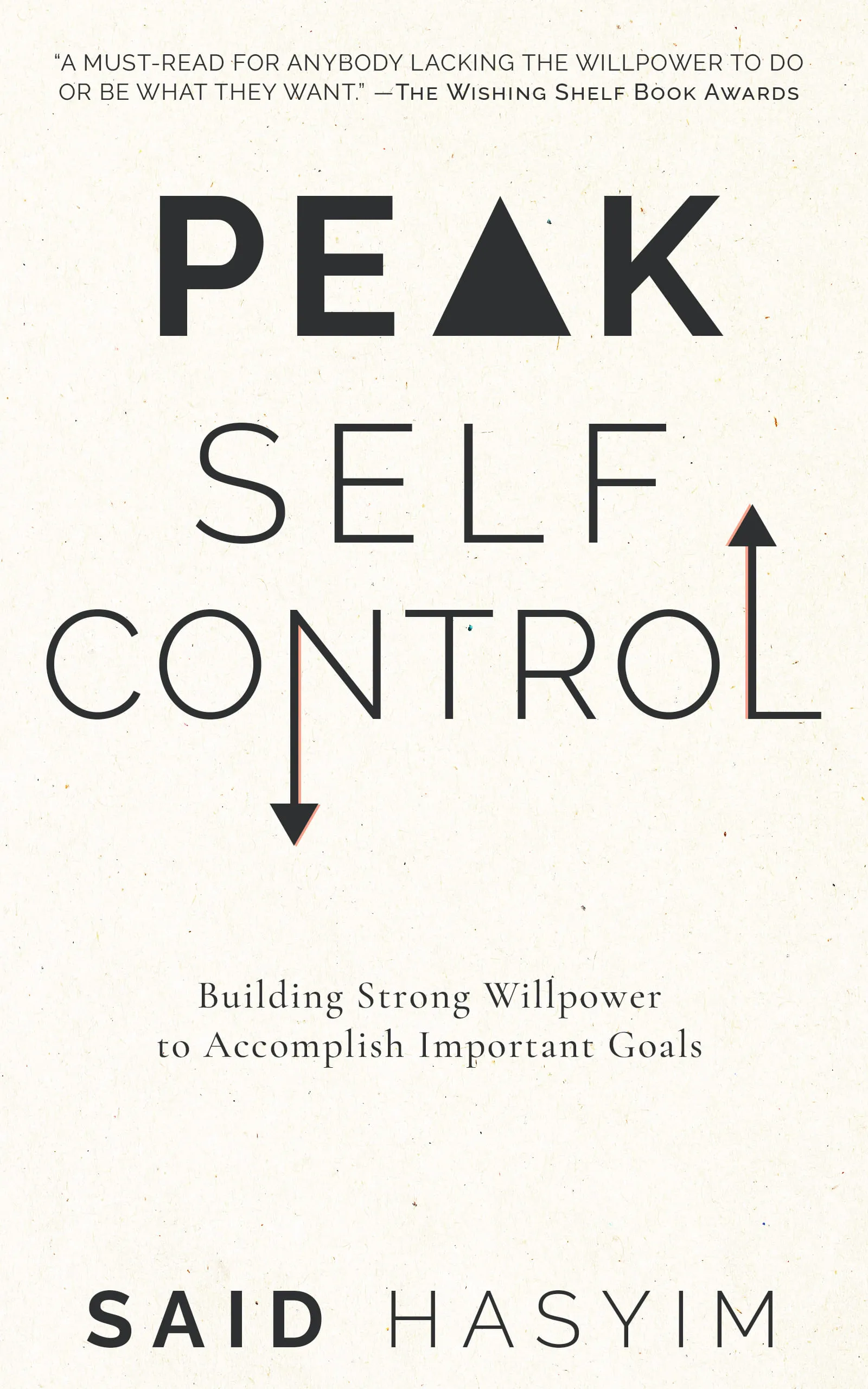
Start Mastering Self-Discipline Today
Discover Peak Self-Control, a practical book to mastering self-discipline. Break free from distractions, build healthier habits, and improve your relationships. Gain effective strategies to enhance your willpower and make meaningful life changes, even amidst a busy schedule. Small adjustments can lead to significant improvements in your daily routine.