Building Resilience through Strong Self-Control Skills
In an ever-changing and often unpredictable world, resilience stands out as one of the most vital traits an individual can develop. Resilience enables us to bounce back from setbacks, adapt to change, and maintain a positive outlook in the face of adversity. While various factors contribute to an individual's resilience, strong self-control skills are fundamental. In this blog post, we will explore the connection between self-control and resilience and provide practical strategies for developing these essential skills.
Understanding Resilience
Resilience is the ability to withstand, recover from, and grow in response to challenges. It involves a range of emotional, psychological, and social factors that allow individuals to navigate difficulties effectively. Resilient people tend to have a growth mindset, a strong support system, and the capacity to self-regulate their emotions and actions in stressful situations.
The Role of Self-Control
Self-control can be defined as the ability to regulate one's emotions, thoughts, and behaviors in the face of temptations and impulses. It is about making deliberate choices rather than responding automatically to desires or stressors. This skill is crucial for achieving long-term goals and maintaining our well-being.
At its core, strong self-control enables individuals to stay focused on their objectives and resist distractions, which is essential for building resilience. When faced with adversity, those with robust self-control can manage their responses better, leading to more constructive outcomes.
How Self-Control Enhances Resilience
Emotional Regulation: Self-control helps individuals manage their emotions effectively. When we encounter obstacles, it can be easy to succumb to feelings of frustration, anger, or sadness. However, with strong self-control, we can pause, evaluate our emotions, and choose an adaptive response. This emotional regulation is a cornerstone of resilience and allows us to maintain a level head in crisis.
Focused Decision Making: Challenges and setbacks often require us to make quick decisions. Self-control provides the mental clarity needed to weigh options thoughtfully rather than impulsively. When we can think critically and strategically, we are better equipped to create and pursue solutions, ultimately reinforcing our resilience.
Long-Term Perspective: Resilience often involves looking beyond immediate discomfort to consider long-term goals and benefits. Strong self-control enables individuals to prioritize future aspirations over momentary indulgences or distractions. By keeping the bigger picture in mind, resilient individuals can endure short-term struggles with a focus on eventual rewards.
Building Healthy Habits: Cultivating self-control supports the formation of healthy habits, such as regular exercise, balanced nutrition, and effective stress management techniques. These habits form a robust foundation for resilience, as physically and emotionally healthy individuals are better equipped to tackle life’s challenges.
Strategies for Building Self-Control
Enhancing self-control skills is an ongoing process that requires commitment and practice. Here are some practical strategies to help you improve your self-control and, in turn, build resilience:
1. Set Clear Goals
Establishing clear, specific goals is the first step in developing self-control. When you know what you want to achieve, it becomes easier to resist distractions and stay focused. For example, if your goal is to improve your physical fitness, you can outline a workout schedule that aligns with your aspirations.
2. Practice Mindfulness
Mindfulness involves being present and aware of your thoughts, feelings, and surroundings. Practicing mindfulness can significantly boost your self-control by allowing you to observe impulses without acting on them. Techniques such as meditation, deep breathing exercises, and body scans can enhance your ability to resist temptations and cultivate a sense of calm in stressful situations.
3. Break Tasks into Smaller Steps
Large tasks can feel overwhelming, which may lead to procrastination or impulsive decisions. Break your goals down into smaller, manageable steps. This approach not only helps you stay on track but also strengthens your self-control as you successfully complete each step.
4. Use Positive Affirmations
Positive affirmations can reinforce your self-control abilities. By regularly affirming your commitment to your goals and your capacity to make sound choices, you can reshape your mindset and increase your resilience against challenges. For example, affirmations like "I am in control of my decisions" can empower you to act thoughtfully in difficult situations.
5. Limit Temptations
Reducing exposure to temptations can significantly enhance your self-control. Identify and minimize triggers in your environment that prompt impulsive behavior. This might mean avoiding junk food in your pantry, putting your phone away during study sessions, or establishing boundaries with toxic social connections.
6. Develop Coping Strategies
Resilience is built through experience and learning how to cope with stressors. Develop a toolkit of coping strategies that you can use during difficult times. This may include journaling, talking to a friend, or engaging in physical activities. By practicing these strategies regularly, you'll not only improve your self-control but also prepare yourself to handle life's challenges more effectively.
7. Celebrate Progress
Recognize and celebrate the progress you make on your journey to developing self-control. Acknowledge your achievements, no matter how small, and give yourself credit for your efforts. Celebrating your progress reinforces positive behavior and encourages greater self-control and resilience in the future.
Conclusion
Building resilience through strong self-control skills is a transformative journey that can lead to a happier, more fulfilling life. By developing your self-control, you empower yourself to navigate life's challenges with confidence, adaptability, and grace. Remember that resilience is not about avoiding adversity; it’s about facing it head-on with the skills and strategies you’ve cultivated.
Start today by implementing these strategies, and watch as your self-control skills strengthen, your resilience flourishes, and you become better equipped to handle whatever life throws your way. Embrace the journey, and know that each step brings you closer to a more resilient self.
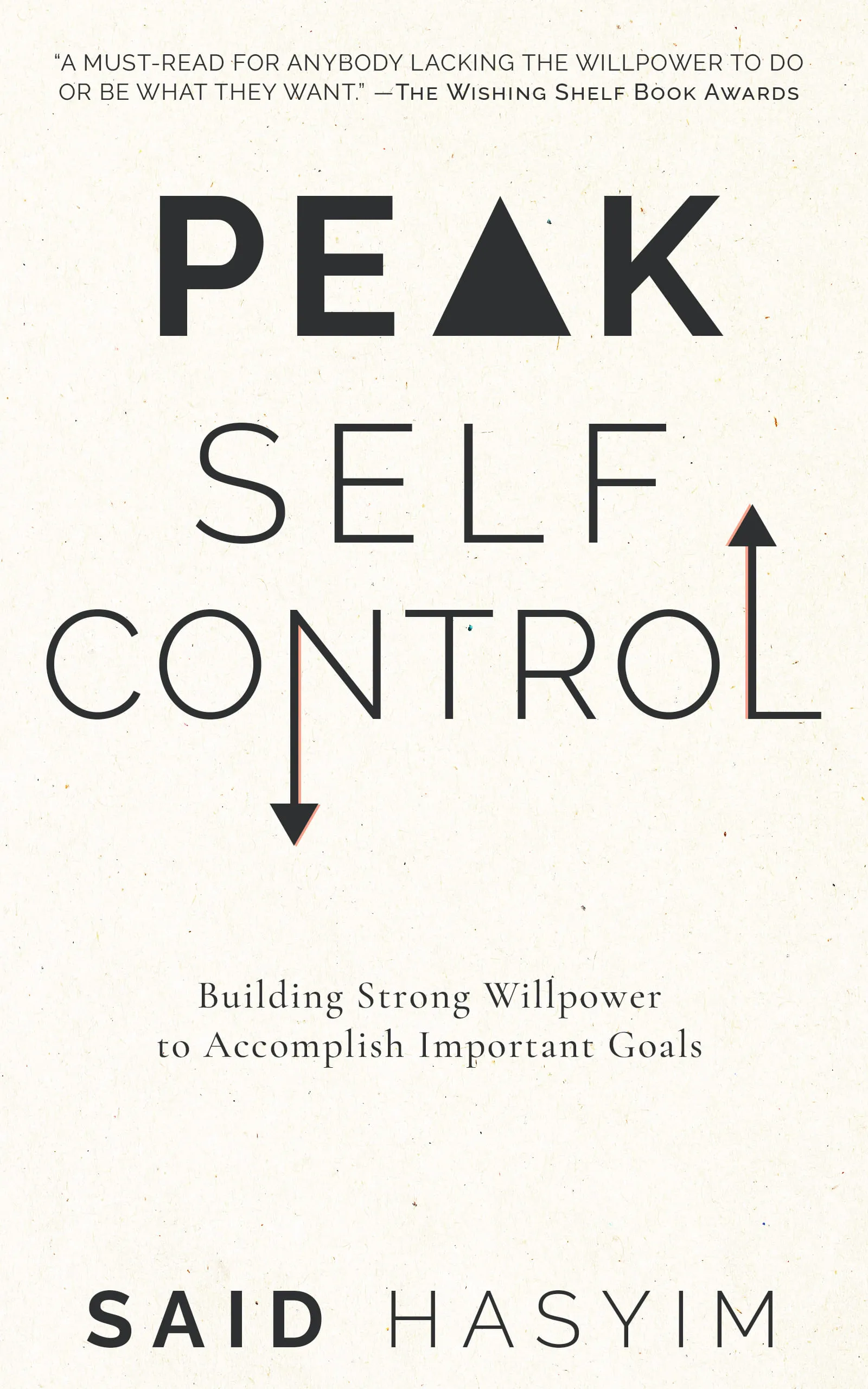
Start Mastering Self-Discipline Today
Discover Peak Self-Control, a practical book to mastering self-discipline. Break free from distractions, build healthier habits, and improve your relationships. Gain effective strategies to enhance your willpower and make meaningful life changes, even amidst a busy schedule. Small adjustments can lead to significant improvements in your daily routine.