Balancing Self-Control with Flexibility
In a world filled with endless choices and overwhelming stimuli, the concepts of self-control and flexibility often seem at odds with one another. On one hand, self-control is revered as a virtue, enabling us to resist temptations, maintain discipline, and achieve long-term goals. On the other hand, flexibility is celebrated as a key to adaptability, creativity, and the ability to navigate the ever-changing landscape of life. But how can we find the right balance between these two vital aspects of our lives?
Understanding Self-Control
Self-control is the ability to regulate our thoughts, emotions, and behaviors in pursuit of long-term objectives. It encompasses a range of skills, including:
- Delayed Gratification: The ability to resist immediate pleasures in favor of more significant rewards in the future.
- Impulse Control: The capacity to manage impulsive desires and actions that may detract from our goals.
- Discipline: The sustained effort to adhere to a plan or commitment despite distractions or challenges.
Research suggests that high levels of self-control are associated with various positive outcomes, including better health, improved academic performance, and enhanced relationships. However, the relentless pursuit of self-control can lead to rigidity, stress, and burnout.
Embracing Flexibility
Flexibility, in contrast, is the ability to adapt to new circumstances, change plans when necessary, and approach challenges with an open mind. Key components of flexibility include:
- Open-Mindedness: The readiness to consider new ideas and perspectives, even if they challenge our existing beliefs.
- Adaptability: The focus on adjusting plans rather than sticking to them when faced with unforeseen challenges.
- Creativity: The ability to think outside the box and generate innovative solutions to problems.
While flexibility fosters resilience and creativity, a lack of boundaries can lead to indecision, lack of direction, and missed opportunities. Therefore, finding the right equilibrium between self-control and flexibility is crucial for personal growth and well-being.
The Importance of Balance
Striking a balance between self-control and flexibility requires understanding their interplay and recognizing when to deploy each skill. Here are a few reasons why achieving this balance is essential:
Enhanced Decision-Making: A balanced approach allows for informed and thoughtful choices. Self-control aids in making decisions aligned with long-term goals, while flexibility provides the opportunity to re-evaluate and adapt according to changing circumstances.
Reduced Stress and Anxiety: While self-control can help manage impulses, excessive rigidity may heighten stress. Flexibility allows for an organic response to setbacks and challenges, reducing anxiety related to striving for perfection.
Sustainable Growth: Self-discipline can lead to success, but without the flexibility to pivot when needed, individuals may miss key opportunities or remain stuck in unproductive patterns. A balance ensures ongoing growth while preventing stagnation.
Dynamic Relationships: Relationships often require both self-control (to respect boundaries) and flexibility (to navigate conflicts and changes). A balanced approach can enhance communication and foster deeper connections with others.
Practical Strategies for Balancing Self-Control and Flexibility
Finding equilibrium between self-control and flexibility is an ongoing process that requires practice, self-awareness, and intentionality. Below are some strategies to help you achieve this balance:
1. Set Clear Goals
Identify your goals and the motivations driving them. Knowing what is essential to you can provide direction. While pursuing these objectives, remain open to adjusting your plans based on input, feedback, or changes in circumstances.
2. Practice Mindfulness
Mindfulness encourages self-awareness, which is crucial for cultivating both self-control and flexibility. By being present in the moment, you can better recognize urges or impulses and assess whether they align with your goals. Mindfulness also fosters openness to new ideas.
3. Create a Framework
Establish guidelines or routines that support self-control, such as scheduling dedicated time for focused work or engaging in healthy habits. However, infuse ample room for flexibility. Allow yourself to modify your schedule or explore alternative approaches when necessary.
4. Embrace a Growth Mindset
Adopt a mindset that views challenges and setbacks as opportunities for learning and growth. This perspective encourages flexibility and adaptation while also promoting resilience and self-control.
5. Allow for Downtime
Creating downtime in your schedule is essential for fostering both self-control and flexibility. Reserve time for leisure, self-care, and spontaneous activities that nourish your creativity and recharge your energy.
6. Seek Accountability
Engaging with a mentor, coach, or supportive community can help keep you accountable while also offering a safe space to explore new ideas. This blend of structure and support can facilitate a more balanced approach.
7. Reflect Regularly
Schedule regular check-ins with yourself to reflect on your current state of balance. Are you feeling overly rigid, or have you lost direction? Assess your feelings and adjust your approach as necessary.
Conclusion
Balancing self-control with flexibility is not about choosing one over the other; it is about integrating the two in a way that supports your growth and well-being. By finding this equilibrium, you can enhance your decision-making, reduce stress, and cultivate sustainable relationships with yourself and others. Embrace this journey and remember that achieving and maintaining balance is an evolving process—one that invites you to grow, adapt, and thrive in all aspects of life.
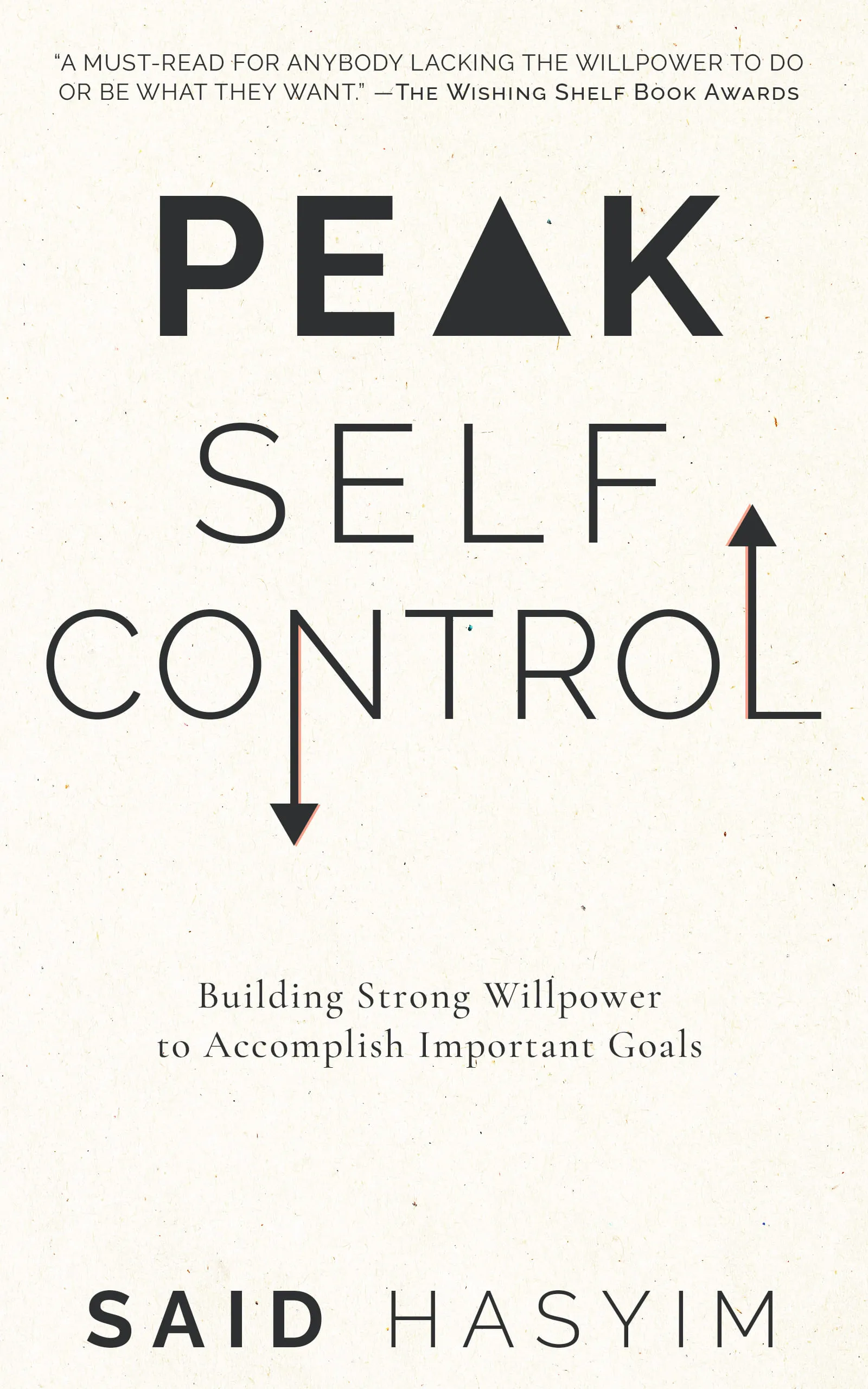
Start Mastering Self-Discipline Today
Discover Peak Self-Control, a practical book to mastering self-discipline. Break free from distractions, build healthier habits, and improve your relationships. Gain effective strategies to enhance your willpower and make meaningful life changes, even amidst a busy schedule. Small adjustments can lead to significant improvements in your daily routine.