The Power of Realistic Thinking in Everyday Life
In today's complex world, filled with rapid changes and overwhelming information, the ability to think realistically is more essential than ever. Realistic thinking, at its core, means viewing situations as they truly are rather than through the lens of overly optimistic assumptions or dire pessimism. This grounded approach can help us navigate daily challenges, make informed decisions, and foster resilience in the face of adversity.
Understanding Realistic Thinking
Realistic thinking transcends mere optimism or negativity; it is about striking a balance. It involves recognizing the facts of a situation, understanding our limitations, acknowledging uncertainties, and yet maintaining a hopeful outlook for the future. By employing a more pragmatic perspective, we can process information accurately and develop a clearer picture of how to move forward.
The Components of Realistic Thinking
Fact-Based Evaluation: Realistic thinking is rooted in facts. It requires gathering information from reliable sources, assessing the validity of the data, and forming conclusions based on evidence.
Awareness of Limitations: Understanding personal limitations and the constraints of a situation allows for realistic goal-setting and planning. It prevents setting oneself up for failure by creating goals that may be unattainable.
Emotional Regulation: Realistic thinkers are aware of their feelings but do not let them control their decisions. Instead of allowing fear or excitement to dictate their actions, they maintain a balanced emotional state that guides them logically.
Flexibility and Adaptability: Life is full of unexpected changes and challenges. Realistic thinkers adapt to these changes rather than resist them. They embrace flexibility, adjusting their plans while maintaining a focus on their ultimate goals.
Critical Reflection: This involves assessing past decisions and their outcomes critically. Realistic thinking encourages us not to dwell on failures but to learn from them and make better-informed choices in the future.
The Benefits of Realistic Thinking
Embracing a realistic approach can lead to numerous benefits in everyday life:
Improved Decision-Making
Realistic thinking fosters clarity and objectivity when making decisions. Rather than getting caught up in wishful thinking or defeatist attitudes, a realistic mindset allows individuals to weigh the pros and cons, assess risks accurately, and consider potential outcomes. This clarity can lead to better choices, whether in personal relationships, career paths, or financial decisions.
Enhanced Problem-Solving Skills
When faced with challenges, realistic thinkers are more likely to find effective solutions. They assess the situation thoughtfully, identifying what is in their control and what is not. By objectively evaluating the problem, they can brainstorm practical solutions and implement them efficiently.
Greater Emotional Resilience
Life is full of ups and downs. Those who think realistically tend to weather emotional storms more effectively. By accepting reality, whether positive or negative, they can manage their expectations and responses. This resilience not only helps in coping with stress but also builds confidence in one's ability to handle future challenges.
Stronger Relationships
In both personal and professional spheres, communication is key. Realistic thinkers can express themselves more clearly and honestly, laying the groundwork for trust and mutual respect in relationships. By discussing issues openly and recognizing each party's limitations and strengths, conflicts are more easily resolved.
Increased Motivation and Achievement
While maintaining realistic expectations, individuals can also cultivate a sense of optimism. Realistic thinkers set achievable goals that are still ambitious, creating pathways to success. As they accomplish realistic objectives, they build the motivation and self-efficacy needed to pursue larger aspirations.
Practical Tips for Cultivating Realistic Thinking
While some people may naturally lean toward a realistic mindset, it can also be developed through practice. Here are some practical tips to help you cultivate realistic thinking in your everyday life:
1. Keep a Journal
Writing down your thoughts and feelings can help clarify your thinking. Reflect on different situations, detailing both the facts and your emotional responses. Over time, you may begin to notice patterns in your thinking, prompting you to adjust your approach accordingly.
2. Challenge Your Assumptions
Take time to examine your beliefs and assumptions about various situations. Ask yourself if there is solid evidence to support these beliefs or if they stem from fear, past experiences, or societal pressures. By questioning your thought patterns, you create space for more realistic viewpoints.
3. Embrace Failure as a Learning Opportunity
Instead of fearing failure, view it as a stepping stone toward success. Reflect on what went wrong and what can be learned from it. This critical reflection will train your brain to adopt a more realistic perspective on setbacks.
4. Practice Mindfulness
Mindfulness can help you become more aware of your thoughts and feelings without judgment. This awareness allows you to separate facts from emotions, promoting a more realistic view of situations and reducing anxiety.
5. Seek Feedback
Sometimes, our perspective may be skewed, and external input can help us see things more clearly. Engaging with trusted friends, family members, or mentors can offer valuable insights and help you develop a more rounded view of your circumstances.
Conclusion
The power of realistic thinking cannot be overstated. In a world where it can be all too easy to get swept up in either unbridled optimism or paralyzing pessimism, the ability to approach situations with a clear and factual perspective stands out as a vital skill. By evaluating situations objectively, acknowledging limitations, and remaining adaptable, we can enhance our decision-making capabilities, strengthen our relationships, and build resilience in the face of life's challenges.
Embracing realistic thinking may take time and practice, but the benefits it brings are well worth the effort. Whether it's a personal challenge, a professional dilemma, or an emotional struggle, realistic thinking equips us with the tools to navigate our lives effectively and with confidence. So take a moment to reflect on your own thought processes, and consider how adopting a more realistic mindset might empower you in your everyday life.
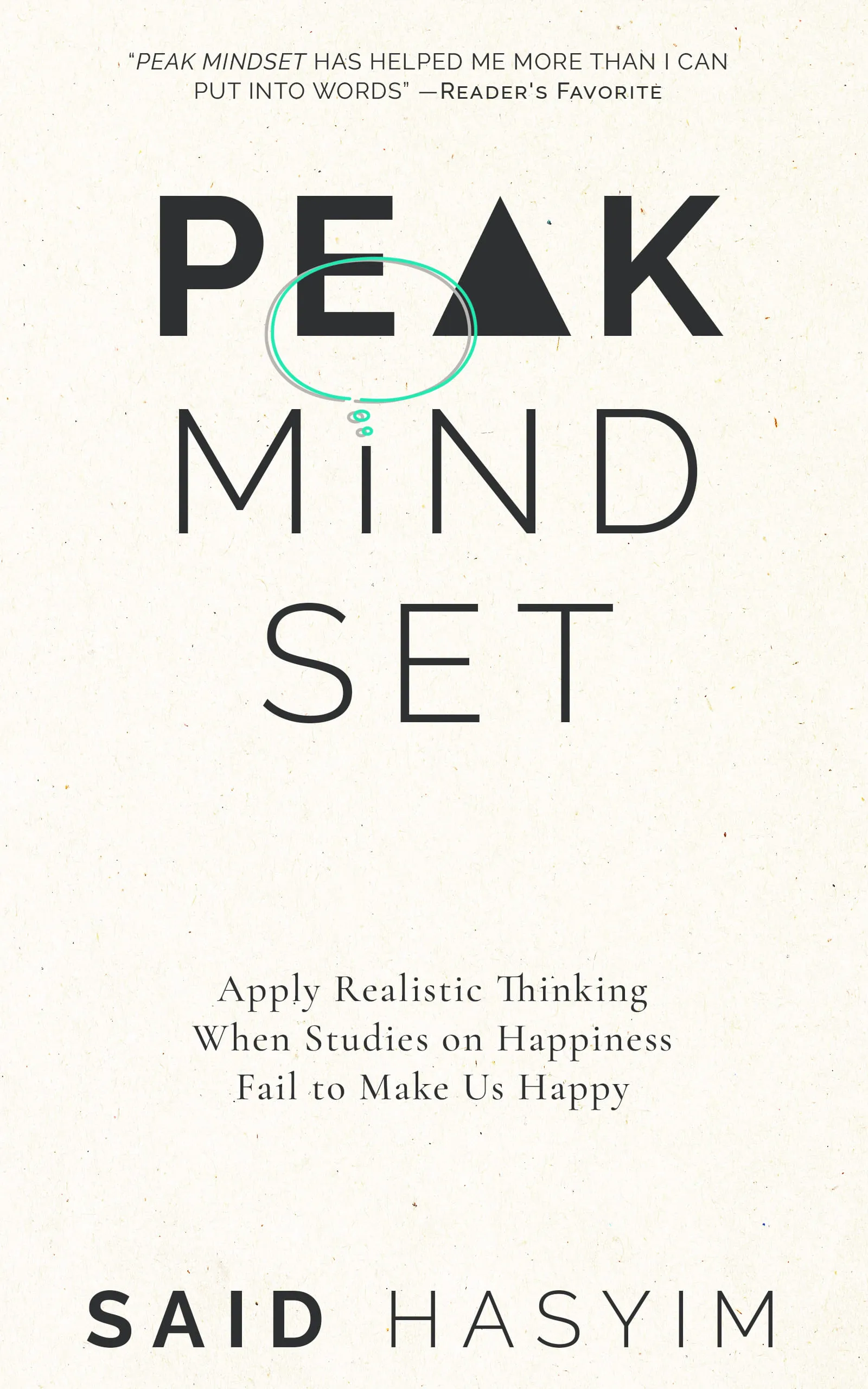
Leverage Your Mindset for a Fulfilling Life
Explore Peak Mindset, a book to leveraging your subconscious for a more fulfilling life. Gain insights into realistic thinking, money management, and stress resilience to make informed decisions. Discover pitfalls in conventional happiness advice and practical strategies for self-transformation. Unlock your potential and enhance your overall satisfaction.