The Importance of Pragmatism for Your Well-being
In a world that constantly bombards us with information, opinions, and ever-shifting circumstances, it’s easy to feel overwhelmed. With societal pressures, personal commitments, and the fast-paced nature of modern life, the way we approach challenges can significantly impact our well-being. Herein lies the importance of pragmatism—a practical approach to problems and decision-making that emphasizes action and results over theory and speculation. This blog post delves into the concept of pragmatism and discusses how adopting a pragmatic mindset can enhance your overall well-being.
Understanding Pragmatism
Pragmatism is a philosophical approach that focuses on the practical implications of ideas and the utility of knowledge in real-world situations. Unlike abstract theories that may remain untested, pragmatism encourages individuals to engage with their environment, assess their circumstances, and take actionable steps toward their goals. It prioritizes effectiveness and ethics, grounding decisions in what works best given the realities of one’s situation.
The Roots of Pragmatism
The roots of pragmatism can be traced back to prominent philosophers such as Charles Sanders Peirce, William James, and John Dewey. They emphasized a connection between theory and experience, arguing that beliefs should be evaluated based on how they influence our actions and outcomes. In essence, pragmatism invites us to focus on what is feasible and realistic, enabling us to navigate life’s complexities more effectively.
Why Pragmatism Matters for Well-being
1. Reduced Overwhelm and Anxiety
In our contemporary landscape, where information overload is commonplace, it’s easy to become paralyzed by choices. Pragmatism encourages you to take a step back and evaluate what is genuinely necessary versus what is superfluous. By focusing on actionable steps rather than getting lost in the realm of theoretical possibilities, you can reduce feelings of overwhelm and anxiety.
For example, if you’re faced with planning a significant event, you may feel paralyzed by all the options available to you. A pragmatic approach would involve breaking down the process into manageable tasks, prioritizing what needs to be done, and proceeding methodically. This shifts the focus from feeling overwhelmed to a more productive mindset that fosters a sense of accomplishment.
2. Improved Decision-Making
Many people struggle with decision fatigue, which can detract from mental well-being. By practicing pragmatism, you can simplify your decision-making process. Instead of agonizing over the “perfect choice,” you can concentrate on finding workable solutions and considering the implications of your actions. A pragmatic approach to decision-making fosters clarity, enabling you to weigh your options based on their potential outcomes and impact on your life.
A classic example of this is choosing between job offers. Instead of fixating on which job is the “best” or “most prestigious,” consider what fits your current lifestyle, aligns with your values, and presents opportunities for growth. This focus helps minimize stress and leads to decisions that enhance your overall quality of life.
3. Enhanced Resilience
Life is full of unexpected challenges and setbacks, and resilience is crucial for mental and emotional well-being. Pragmatism encourages a proactive attitude—viewing setbacks as opportunities to learn and adapt rather than as insurmountable obstacles. This mindset promotes personal growth and helps you cultivate resilience, allowing you to bounce back more effectively when faced with difficulty.
For example, if you encounter a significant obstacle in your career, a pragmatic approach allows you to analyze the situation objectively. Instead of feeling defeated, you can assess what went wrong, identify strategies for improvement, and take actionable steps toward regaining your footing. By fostering resilience, you build a more robust mental fortitude that contributes to your overall sense of well-being.
4. Fostering Healthy Relationships
Pragmatism extends beyond individual choices and into the realm of relationships. In our interactions with others, being pragmatic can help us communicate more effectively, resolve conflicts, and establish healthier dynamics. A pragmatic mindset allows us to prioritize understanding and cooperation over winning arguments or holding onto grudges.
When conflicts arise, a pragmatic approach might involve assessing the situation objectively and determining what compromises can lead to healthier outcomes. This fosters constructive communication and builds stronger relationships, directly contributing to our emotional well-being and sense of belonging.
5. Encouraging a Growth Mindset
A pragmatic approach to life also aligns with the principles of a growth mindset—the belief that abilities and intelligence can be developed over time. By viewing challenges as opportunities for improvement rather than fixed limitations, pragmatism fosters a culture of experimentation and learning. This mindset encourages you not only to take risks but also to embrace failure as a part of the growth process.
Cultivating a growth mindset through pragmatic thinking enhances your sense of self-efficacy, allowing you to tackle challenges with confidence and optimism. This shift in perspective can profoundly impact your overall well-being as you navigate life’s ups and downs.
Incorporating Pragmatism into Daily Life
1. Set Realistic Goals
Start by establishing achievable goals that align with your values and priorities. By setting realistic and specific objectives, you can monitor your progress effectively and make adjustments as needed.
2. Embrace Flexibility
Understand that life can be unpredictable. Practicing flexibility allows you to adapt to unexpected changes while maintaining your focus on actionable steps.
3. Focus on Solutions
When faced with challenges, direct your energy toward identifying practical solutions rather than dwelling on problems. This shift in thinking promotes constructive action.
4. Reflect and Learn
Take time to reflect on your experiences and the choices you’ve made. Learn from both successes and failures, and integrate those lessons into your future decision-making.
5. Communicate Effectively
Encourage open communication in your relationships. Aim for practical discussions and strategies that foster understanding and cooperation.
Conclusion
In a fast-paced, ever-evolving world, the importance of pragmatism cannot be overstated. By embracing a pragmatic mindset, you can reduce anxiety, improve decision-making, enhance resilience, foster healthier relationships, and encourage personal growth. As you navigate the complexities of life, remember that the path to well-being is often paved with practical, actionable choices that resonate with your values and goals. Ultimately, a pragmatic approach empowers you to thrive, equipping you with the tools to face challenges head-on, improve your well-being, and create a more fulfilling life.
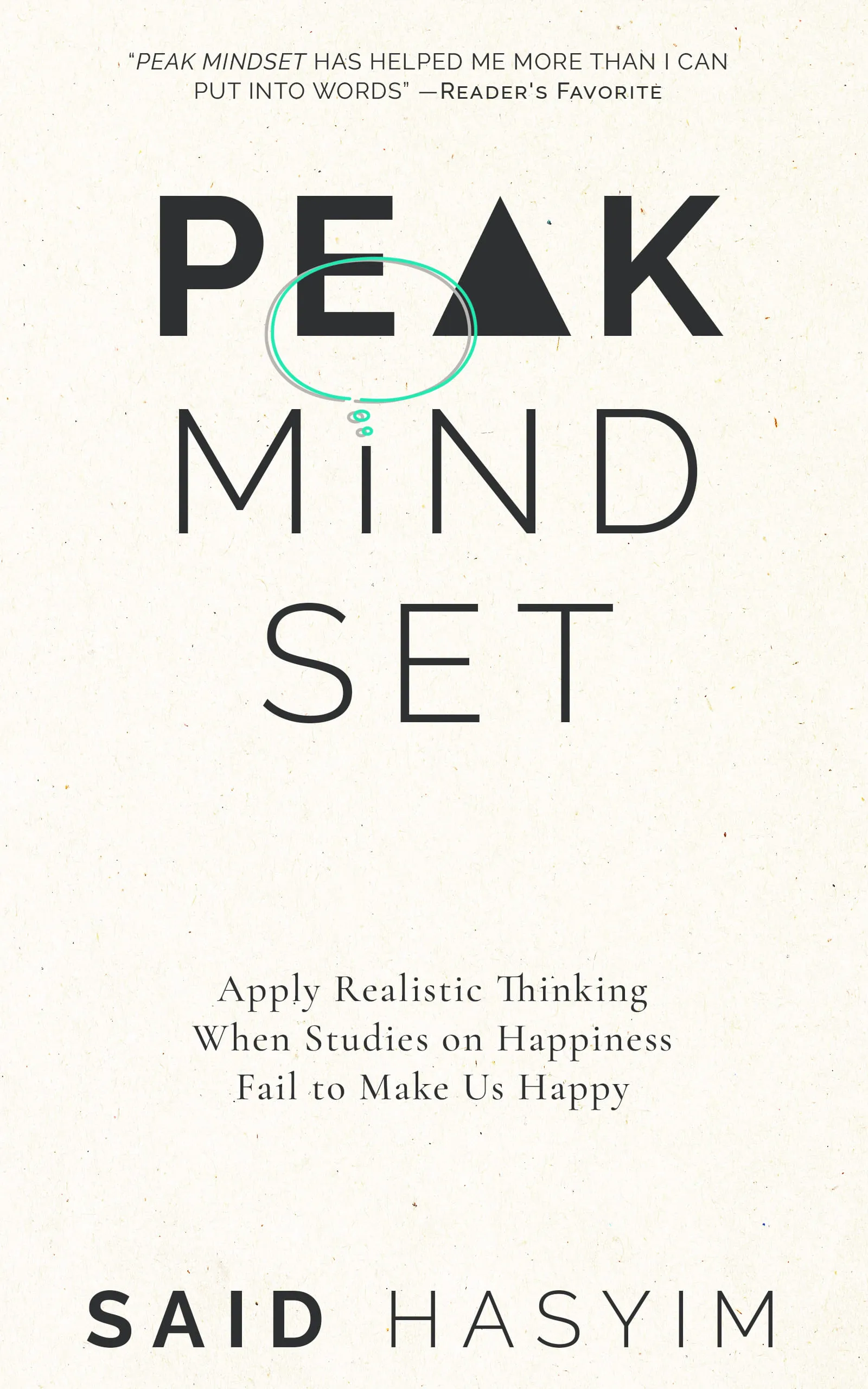
Leverage Your Mindset for a Fulfilling Life
Explore Peak Mindset, a book to leveraging your subconscious for a more fulfilling life. Gain insights into realistic thinking, money management, and stress resilience to make informed decisions. Discover pitfalls in conventional happiness advice and practical strategies for self-transformation. Unlock your potential and enhance your overall satisfaction.