Realism in Relationships: Building Lasting Happiness
When we think of love and relationships, images of fairy tales often emerge in our minds—grand gestures, serendipitous meetings, perfect partners, and eternal happiness. But while these narratives are enchanting, they often ignore the intricate realities of building and sustaining meaningful relationships. In this blog post, we will explore the concept of realism in relationships and how embracing a more grounded perspective can pave the way for lasting happiness.
The Myth of Perfection
One of the biggest challenges in contemporary romantic relationships is the unrealistic expectation of perfection. We are inundated with idealized portrayals of love in movies, social media, and literature. These representations create a false narrative that relationships are free of conflict, boredom, or challenging days.
However, the truth is that every relationship has its unique set of challenges and imperfections. Conflicts arise, misunderstandings happen, and life throws unexpected curveballs. Acknowledging that no relationship is perfect can help in reducing disappointment and unrealistic expectations. Understanding that flaws and obstacles are a normal part of any partnership allows couples to approach their lives together with grace and acceptance.
Embracing Vulnerability
Realism in relationships also involves a willingness to embrace vulnerability. Sharing your fears, insecurities, and doubts can seem daunting, but it is essential for fostering intimacy. When partners exchange authentic parts of themselves, they build a stronger emotional connection.
Vulnerability requires courage. It's about standing bare before your partner and letting them see you for who you truly are. This act of openness invites empathy, compassion, and understanding. When both partners feel safe to express their fears and insecurities, it creates an environment of trust and fosters deeper connections.
Clear Communication
At the heart of strong relationships lies effective communication. Building a realistic understanding of each other’s needs and desires is paramount. Avoiding the temptation to assume that your partner “should just know” what you are thinking can save you from unnecessary conflicts.
Practicing clear communication involves openly discussing emotions, expectations, and boundaries. Listening actively and responding thoughtfully can help both partners feel heard and respected. By engaging in honest dialogues, couples cultivate understanding and strengthen their bond.
The Power of Conflict Resolution
Conflict is an inevitable part of any relationship. Rather than viewing conflicts as signs of failure, they can be seen as opportunities for growth and understanding. It’s essential to understand that disagreements don’t mean that love is absent; they can signify different perspectives, needs, or circumstances.
The realism of relationships requires couples to develop effective conflict resolution strategies. This includes staying calm during disagreements, avoiding hurtful language, and focusing on the issue rather than personal attacks. Approaching conflicts with the intention of reaching a resolution rather than "winning" can lead to deeper connection and understanding between partners.
Cultivating Patience and Commitment
Relationship satisfaction often doesn't stem from grand gestures or romantic experiences. Instead, it is built through consistent, everyday actions and a commitment to weathering life's ups and downs together. Building lasting happiness in relationships requires patience, effort, and a long-term perspective.
Life changes and challenges can test the strength of your partnership. Whether it’s career challenges, financial stress, or the arrival of children, each phase of life may require changes in your relationship dynamic. Committing to grow together through these changes fosters resilience, strengthening the bond between partners.
Acceptance of Change
People change, and so do relationships. What attracts you to your partner at the beginning may evolve or shift over time. Managing expectations around this natural evolution can significantly impact relationship satisfaction.
Accepting that both you and your partner will grow and change over time allows for adaptability within the relationship. Instead of resisting or fearing these changes, embrace them. Discuss how you can support each other in your respective journeys and promote personal growth within the partnership.
The Importance of Self-Care
Realism in relationships also means acknowledging the importance of individual well-being. Healthy relationships thrive when both partners prioritize their emotional, physical, and mental health. Take time for self-care, pursue personal interests, and maintain friendships outside the romantic relationship.
When individuals care for themselves, they can show up in their relationships with greater emotional availability, positivity, and resilience. It provides a healthy balance, making it easier to nurture a partnership founded on mutual respect and shared happiness.
Finding Joy in the Mundane
Lastly, let’s talk about the beauty of the mundane. In the quest for lasting happiness, it’s vital to find joy in everyday life. Rather than constantly seeking thrills or excitement, focus on the little moments—cooking together, sharing a cup of coffee, taking a walk, or binge-watching a new series.
Appreciating the simple things can cultivate contentment and enhance the bond between partners. Small, shared moments of happiness often lead to a deeper connection, reinforcing the idea that lasting relationships are built on shared experiences, both extraordinary and ordinary.
Conclusion
Realism in relationships doesn’t imply cynicism or resignation. Rather, it encourages a grounded perspective that recognizes the beauty in imperfection, the power of vulnerability, and the strength in facing life’s challenges together. Building lasting happiness requires a commitment to understanding, communicating, and growing with your partner. By embracing realism, you lay the foundation for a relationship that can weather storms while celebrating the delightful journey of love.
In a world where instant gratification often dominates, remember that lasting happiness is not a destination but a continuous journey—filled with love, growth, and shared experiences. By adopting a realistic approach, you empower yourself and your partner to cultivate a fulfilling relationship that can endure the test of time.
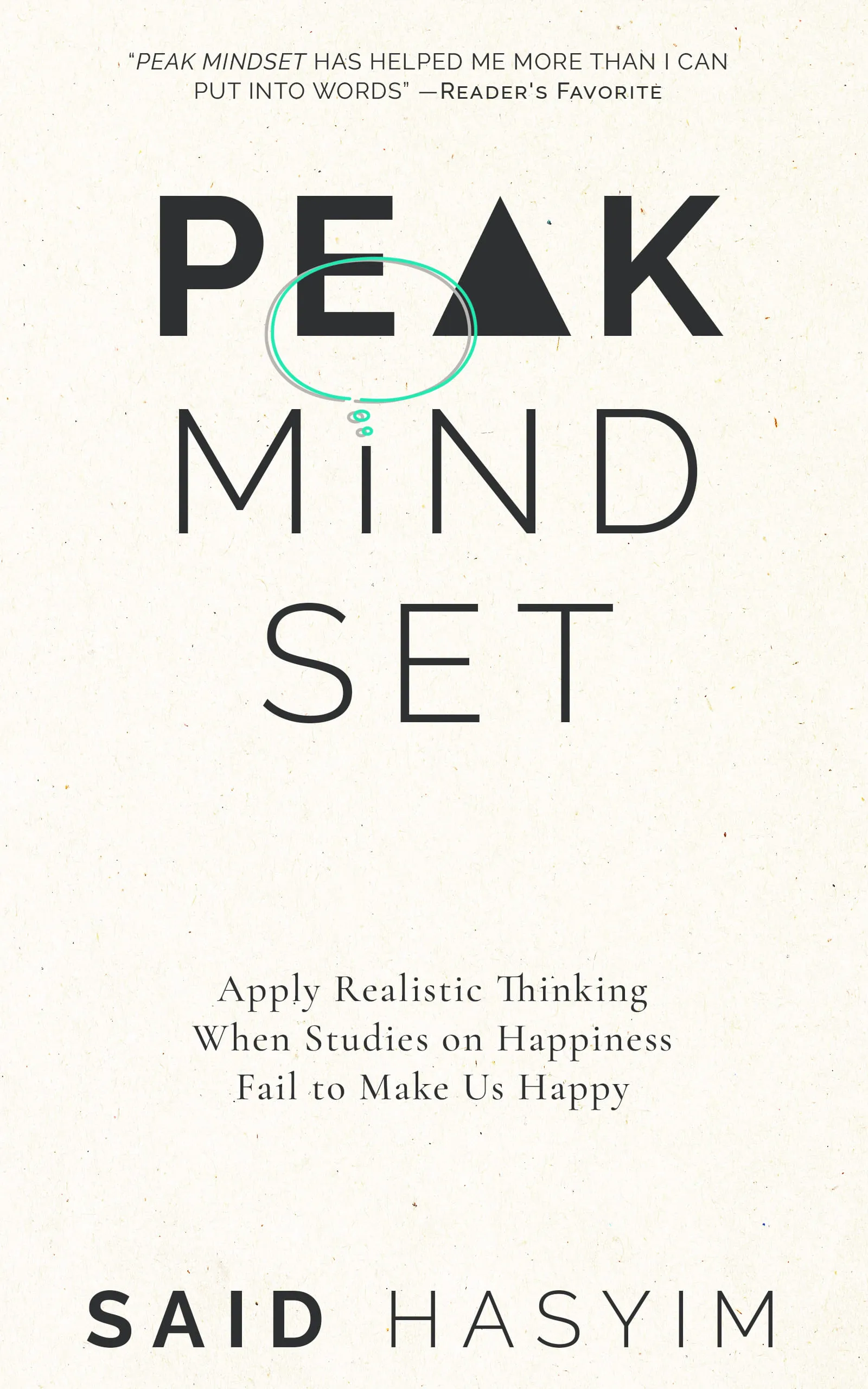
Leverage Your Mindset for a Fulfilling Life
Explore Peak Mindset, a book to leveraging your subconscious for a more fulfilling life. Gain insights into realistic thinking, money management, and stress resilience to make informed decisions. Discover pitfalls in conventional happiness advice and practical strategies for self-transformation. Unlock your potential and enhance your overall satisfaction.