Peak Mindset Essentials: Realism Over Optimism
In a world saturated with motivational quotes, self-help seminars, and "think positive" slogans, the concept of realism often seems underappreciated. While optimism can undoubtedly have its merits, especially in lifting spirits and inspiring action, it is the pragmatic and grounded perspective of realism that lays the foundation for sustainable personal growth, effective problem-solving, and emotional resilience. This blog post will explore the essential components of a peak mindset centered on realism, its advantages over unbridled optimism, and practical ways to cultivate this invaluable perspective in your own life.
The Appeal of Optimism
Before we delve deeper into realism, it’s important to recognize why optimism is so appealing. The benefits of a positive outlook are well-documented: enhanced mental and physical well-being, increased motivation, and even improved performance in various tasks. A little optimism can be the fuel that propels us forward, especially during times of uncertainty or challenge. It can spark creativity, foster enthusiasm, and encourage risk-taking—critical components in a world where innovation is paramount.
However, there is often a fine line between healthy optimism and wishful thinking. While optimism can create a sense of hope, when taken to the extreme, it can lead to unrealistic expectations and poor decision-making. Let’s examine why adopting a realistic mindset may be more beneficial in the long run.
The Case for Realism
1. Acknowledgment of Challenges
One of the cornerstones of a realistic mindset is the acknowledgement of challenges and difficulties. Instead of glossing over uncomfortable truths, realists face them squarely. This doesn’t mean yielding to despair; rather, it involves recognizing that life is complex and often fraught with obstacles. Acknowledging challenges allows for a more accurate assessment of situations and fosters preparedness.
2. Setting Attainable Goals
While optimists may set lofty goals based on their dreams and aspirations, realists focus on establishing SMART (Specific, Measurable, Achievable, Relevant, Time-bound) goals that are grounded in reality. Understanding one’s limitations and the potential barriers to success can lead to more effective strategies, resource allocation, and ultimately, more achievable outcomes.
3. Emotional Resilience
Realism fosters emotional resilience because it equips individuals to handle disappointment and setbacks without being shattered by them. By not relying solely on positive thinking, individuals can develop coping strategies and a stronger ability to rebound from adversity. This resilience is vital in a world where failures are often stepping stones to success.
4. Informed Decision-Making
When driven by optimism alone, decisions may be overly influenced by hope or wishful thinking. Realism encourages critical thinking and encourages individuals to weigh evidence, assess risks, and analyze alternatives rather than making decisions based solely on enthusiasm. Informed decision-making leads to better outcomes and long-term sustainability in various endeavors.
5. Strengthening Relationships
In personal and professional relationships, a realistic approach creates more robust connections. By being honest about expectations and acknowledging the potential for conflict or difficulty, realists foster deeper trust and understanding. This leads to healthier interactions and a more authentic bond between individuals.
Cultivating a Realistic Mindset
Adopting a realistic mindset is a skill that can be cultivated over time. Here are some practical steps to help you embrace realism in your daily life:
1. Practice Mindfulness
Mindfulness encourages individuals to be present and aware of their thoughts and feelings without judgment. By practicing mindfulness, you can better understand your motivations and responses, enabling you to approach situations more realistically. This awareness is a foundational step in acknowledging challenges and making informed choices.
2. Journal Your Thoughts
Keeping a journal can help track your thought patterns, particularly surrounding optimism and realism. Reflect on situations where you were overly optimistic and the outcomes of those scenarios. This retrospective analysis can help you learn how to incorporate more realistic perspectives in future situations.
3. Seek Feedback
Engage with others to gain insights into your thought processes. Friends, family, or mentors can provide valuable perspectives that may counterbalance your tendencies toward optimism. Constructive feedback can encourage you to examine situations more critically and adopt a more balanced viewpoint.
4. Embrace Flexibility
Realism does not mean rigidity. Embrace the idea that plans may need adjustment based on new evidence or changing circumstances. This flexibility can lead to a more adaptable mindset that leverages optimism when beneficial while remaining anchored in reality.
5. Celebrate Progress, Not Perfection
Shift your focus from the perfection of end goals to celebrating incremental progress. This realistic approach acknowledges achievements while also recognizing that setbacks are part of the journey. By viewing progress as an ongoing process rather than a destination, you create space for learning, improving, and evolving.
Conclusion
While optimism undoubtedly has its place, a peak mindset rooted in realism provides a robust framework for personal development, problem-solving, and resilience. By embracing the complexities and challenges of life, we become better equipped to navigate its many twists and turns. Cultivating a realistic mindset isn’t about abandoning positivity but rather enhancing your ability to face life as it truly is.
By balancing optimism with realism, you can create a more fulfilling and grounded life—one where dreams are pursued with clarity and intention, and where setbacks become valuable opportunities for growth. Embrace realism for the essential tool that it is, paving the way to a more profound, effective, and ultimately successful way of living.
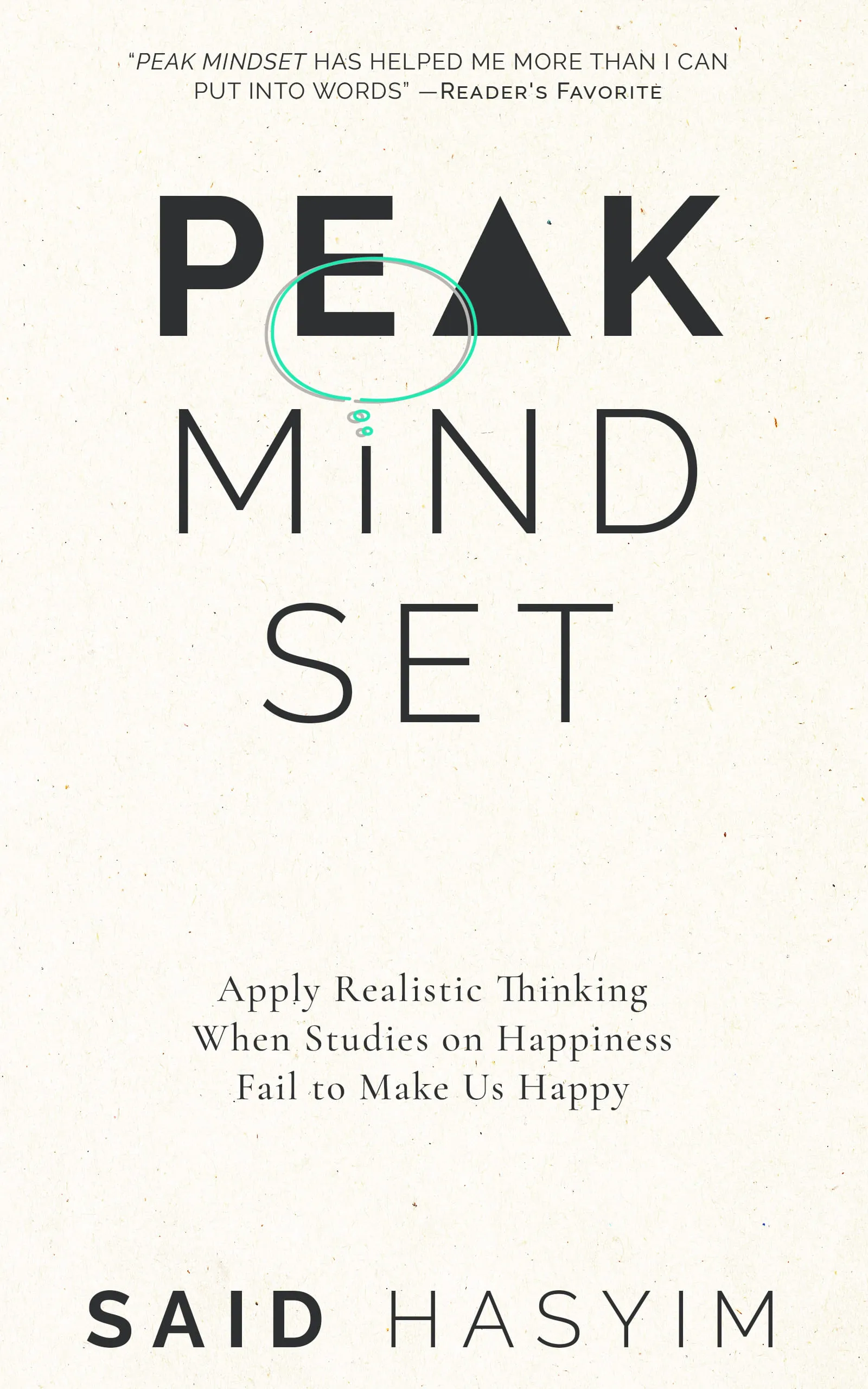
Leverage Your Mindset for a Fulfilling Life
Explore Peak Mindset, a book to leveraging your subconscious for a more fulfilling life. Gain insights into realistic thinking, money management, and stress resilience to make informed decisions. Discover pitfalls in conventional happiness advice and practical strategies for self-transformation. Unlock your potential and enhance your overall satisfaction.