Overcoming False Happiness: The Realism Approach
In an age where social media dominates our interactions and the pursuit of happiness is more visible than ever, many find themselves grappling with a concept known as "false happiness." This phenomenon typically arises from the relentless pressure to appear joyful and successful, regardless of one’s true emotional state. The pursuit of unrealistic standards of happiness can lead to dissatisfaction, anxiety, and even depression. This blog post will explore the idea of false happiness, identify its causes, and propose the realism approach as a means to cultivate genuine well-being.
Understanding False Happiness
What is False Happiness?
False happiness refers to the facade of joy that people create, often to conform to societal expectations or to mask their true feelings. It’s characterized by:
- Superficial Positivity: Individuals may force smiles, portray perfection, or present an idealized version of their lives on social media, despite experiencing internal struggles.
- Comparison Culture: Social media can breed a toxic environment where individuals compare their lives with others, leading to feelings of inadequacy and a false belief that happiness is about external validation.
- Suppressing Negative Emotions: People often feel the need to suppress their true feelings, resulting in a cycle where unacknowledged emotions fester beneath the surface.
The Impact of False Happiness
Engaging in false happiness can have severe repercussions, including:
- Diminished Authenticity: People may feel disconnected from their true selves when they prioritize appearances over genuine emotions.
- Mental Health Decline: The pressure to maintain a facade can contribute to anxiety, depression, and feelings of isolation.
- Unfulfilled Relationships: When individuals hide their true feelings, it can hinder meaningful connections and communication with others.
Why Realism?
In contrast to the pursuit of false happiness, the realism approach emphasizes acceptance and authenticity. Realism encourages individuals to acknowledge their true feelings, both positive and negative, and to understand that life encompasses a range of emotions. By grounding ourselves in reality, we can foster a deeper sense of well-being.
Principles of the Realism Approach
Acceptance of Emotions:
- Realism encourages individuals to accept their emotions, including sadness and frustration. Recognizing that it’s okay to feel negative emotions can be liberating.
- Acknowledging all feelings helps to break the cycle of false happiness. Embracing a full spectrum of human emotion allows for a more nuanced and fulfilling life experience.
Mindful Awareness:
- Practicing mindfulness enables individuals to observe their thoughts and feelings without judgment. Mindfulness fosters greater awareness of the present moment and encourages individuals to reflect on their experiences authentically.
- Engaging in mindfulness practices, such as meditation or journaling, can help individuals connect more deeply with their true selves and cultivate inner peace.
Reframing Expectations:
- Realism encourages individuals to set realistic expectations for happiness. Recognizing that happiness is not a constant state can help alleviate the pressure to appear happy all the time.
- By understanding that life includes ups and downs, we can cultivate resilience and adaptability, finding joy in small moments and ordinary experiences.
Authentic Connections:
- Building meaningful relationships requires vulnerability and honesty. Sharing our struggles with trusted friends, family, or support groups fosters authentic connections and nurtures a sense of belonging.
- Genuine relationships can provide emotional support and help counteract feelings of isolation, allowing individuals to navigate challenges together.
Reflection and Growth:
- The realism approach values self-reflection as a crucial tool for personal growth. Taking time to reflect on experiences can illuminate patterns in behavior and emotional responses.
- Setting aside time for reflection fosters deeper understanding and self-acceptance, allowing individuals to learn and evolve from their experiences.
Steps to Overcoming False Happiness
1. Practice Self-Compassion
Self-compassion involves treating oneself with kindness and understanding during difficult times. Instead of criticizing yourself for feeling sad, acknowledge your feelings and remind yourself that it's a natural part of the human experience. Techniques such as positive affirmations or compassionate journaling can cultivate a more forgiving attitude toward oneself.
2. Limit Social Media Exposure
Social media can often exacerbate feelings of inadequacy. Take breaks from social media, unfollow accounts that trigger negative feelings, or cultivate a more positive digital environment by following those who inspire authenticity and vulnerability.
3. Engage in Deep Conversations
Seek out opportunities for meaningful dialogue with friends or loved ones. Instead of skimming the surface of lighthearted topics, dive into discussions about dreams, fears, and challenges. Building deeper connections can enhance emotional awareness and self-acceptance.
4. Explore New Interests
Diversifying your interests can help you explore your identity beyond societal expectations. Whether it's taking up a new hobby, engaging in physical activities, or volunteering, seeking fulfillment in different areas can foster personal growth and authenticity.
5. Seek Professional Help
If feelings of false happiness persist, consider seeking guidance from a mental health professional. Therapy can provide insights, coping strategies, and a safe space for individuals to explore their emotions without judgment.
Conclusion
The quest for happiness is an intrinsic aspect of being human; however, the pressure to maintain a façade of perpetual joy can lead to detrimental consequences. By adopting the realism approach and learning to embrace our authentic selves, we can overcome false happiness. Acceptance of our emotions, nurturing genuine connections, and engaging in self-reflection allows us to foster a deeper sense of fulfillment. It is through embracing the spectrum of human experience that we can ultimately find true happiness in the present moment, unencumbered by the need to appear happy to the world.
As we navigate life's complexities, let us become allies in breaking the stigma around negative emotions and redefine happiness— not as an ideal state to achieve, but as a rich tapestry woven from authentic experiences.
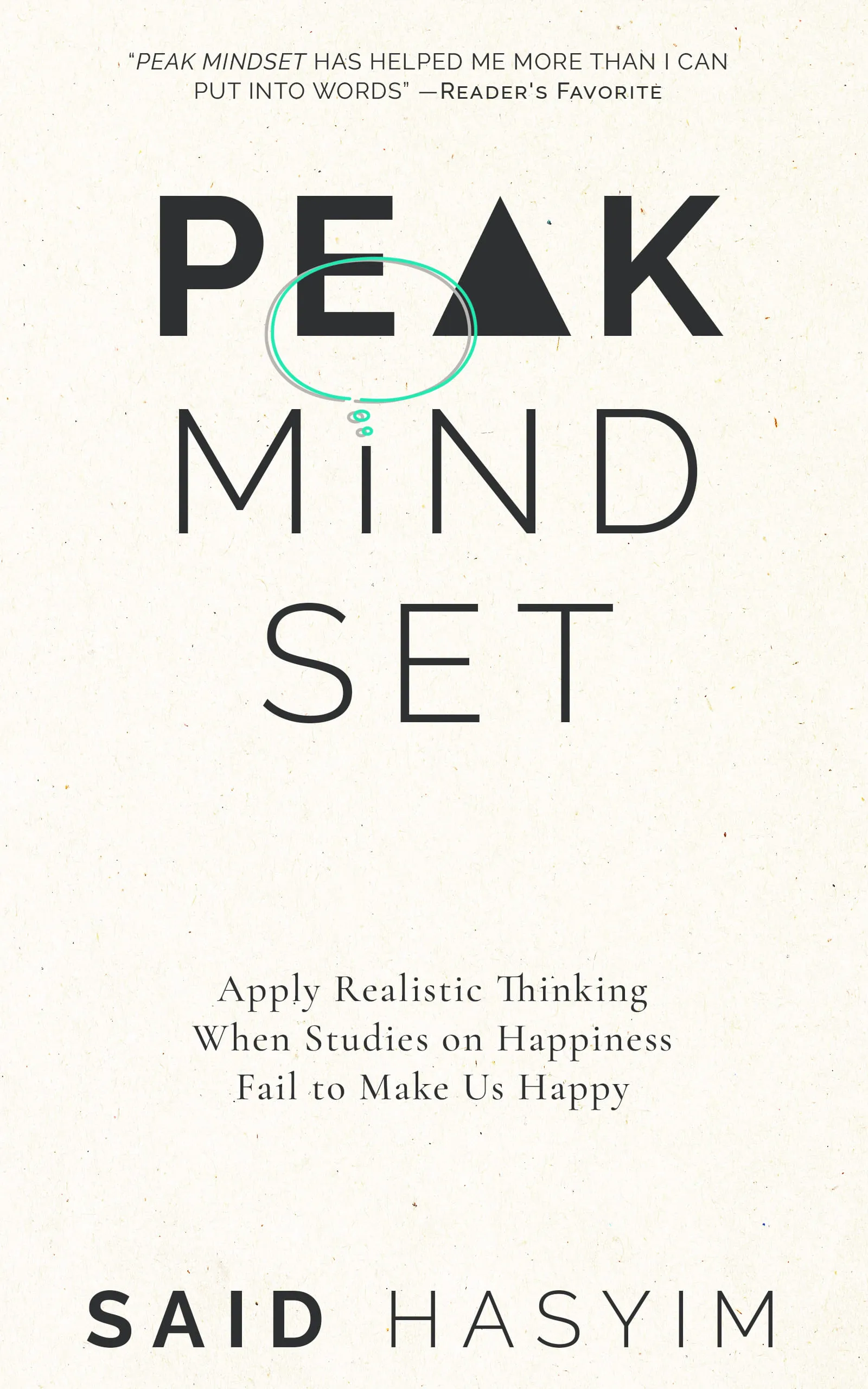
Leverage Your Mindset for a Fulfilling Life
Explore Peak Mindset, a book to leveraging your subconscious for a more fulfilling life. Gain insights into realistic thinking, money management, and stress resilience to make informed decisions. Discover pitfalls in conventional happiness advice and practical strategies for self-transformation. Unlock your potential and enhance your overall satisfaction.