Embracing Realism: A Path to Emotional Resilience
Life can often feel like a tumultuous sea, with waves of joy and tranquility crashing into storms of anxiety and despair. In the midst of these turbulent waters, many of us yearn for emotional resilience—the ability to bounce back from adversity, maintain hope in the face of challenges, and cultivate a sense of inner peace. One of the most effective yet often overlooked approaches to developing this resilience is through realism. In this blog post, we'll explore what embracing realism means, why it is crucial for emotional resilience, and how you can integrate realistic thinking into your everyday life.
Understanding Realism
Realism is the recognition of things as they are, without over-exaggeration or denial. It's about seeing the world clearly, acknowledging both its beauty and its harsh truths. When we embrace realism, we become more grounded in our experiences, allowing us to navigate life's complexities with clarity and a strong foundation.
The Importance of Realism in Emotional Resilience
Reduces the Impact of Disappointment: When we have unrealistic expectations of ourselves or our circumstances, we set ourselves up for disappointment. Realism helps us establish achievable goals and recognize that setbacks are a part of life. This understanding fosters a more forgiving attitude towards ourselves and our experiences.
Enhances Problem-Solving Skills: A realistic perspective allows us to evaluate situations critically and objectively. When faced with challenges, embracing realism can guide us in identifying practical solutions instead of becoming paralyzed by unrealistic visions of what we think should happen.
Cultivates Acceptance: Accepting reality means acknowledging what is beyond our control. When we embrace realism, we learn to let go of unnecessary battles and focus our energy on what we can influence. This shift in focus is a powerful step toward emotional resilience.
Fosters Gratitude: Realism can catalyze gratitude by encouraging us to appreciate what we have, rather than constantly yearning for what we don’t. This shift in perspective can lead to greater emotional fulfillment and a more positive outlook on life.
Steps to Embrace Realism
1. Acknowledge Your Emotions
The first step in embracing realism is acknowledging your emotions without judgment. Whether it’s sadness, anxiety, or frustration, feelings are valid and deserve recognition. Journaling or speaking with someone you trust can help you process these emotions. By acknowledging them, you create space for realistic evaluation.
2. Challenge Unrealistic Beliefs
Take a moment to reflect on the beliefs that may be underpinning your emotions. Are they based on fact or fiction? Look for evidence that supports or contradicts these beliefs. This practice of challenging unrealistic thoughts can help dismantle self-imposed barriers and lead to more constructive thinking.
3. Set Achievable Goals
Setting goals is essential, but they must be realistic and attainable. Break down larger aspirations into smaller, manageable objectives. This not only provides a sense of accomplishment but also allows you to course-correct without excessive stress.
4. Practice Mindfulness
Mindfulness encourages living in the moment and embracing reality as it is. Engaging in mindfulness practices such as meditation, deep-breathing exercises, or yoga can promote a clearer perspective and foster acceptance of your current situation.
5. Seek Constructive Feedback
Sometimes, we may be too close to a situation to see it clearly. Seeking feedback from trusted friends, family, or colleagues can provide valuable insights and help ground your expectations in reality.
6. Celebrate Small Wins
Every step forward deserves recognition, no matter how small. By celebrating progress, you reinforce a sense of accomplishment, build self-confidence, and motivate yourself to keep moving forward.
7. Cultivate a Support System
Surround yourself with individuals who encourage realistic perspectives versus those who might foster unrealistic expectations. A positive support system can provide reality checks, encouragement, and strength during challenging times.
Conclusion
Embracing realism is not about surrendering to pessimism or fatalism; rather, it’s about allowing ourselves to see the world with clear eyes. By acknowledging the truth of our situations and cultivating a practical mindset, we can develop the emotional resilience needed to navigate life’s highs and lows.
Realism invites us to find peace within the chaos and enables us to respond to life's challenges with strength and clarity. By practicing the steps outlined above, you can cultivate a more resilient mindset, embrace your reality, and ultimately lead a healthier, more fulfilling life.
As we embark on this journey of emotional resilience, remember: the path may be uncertain, but by embracing realism, we can equip ourselves with the tools necessary to weather any storm that comes our way.
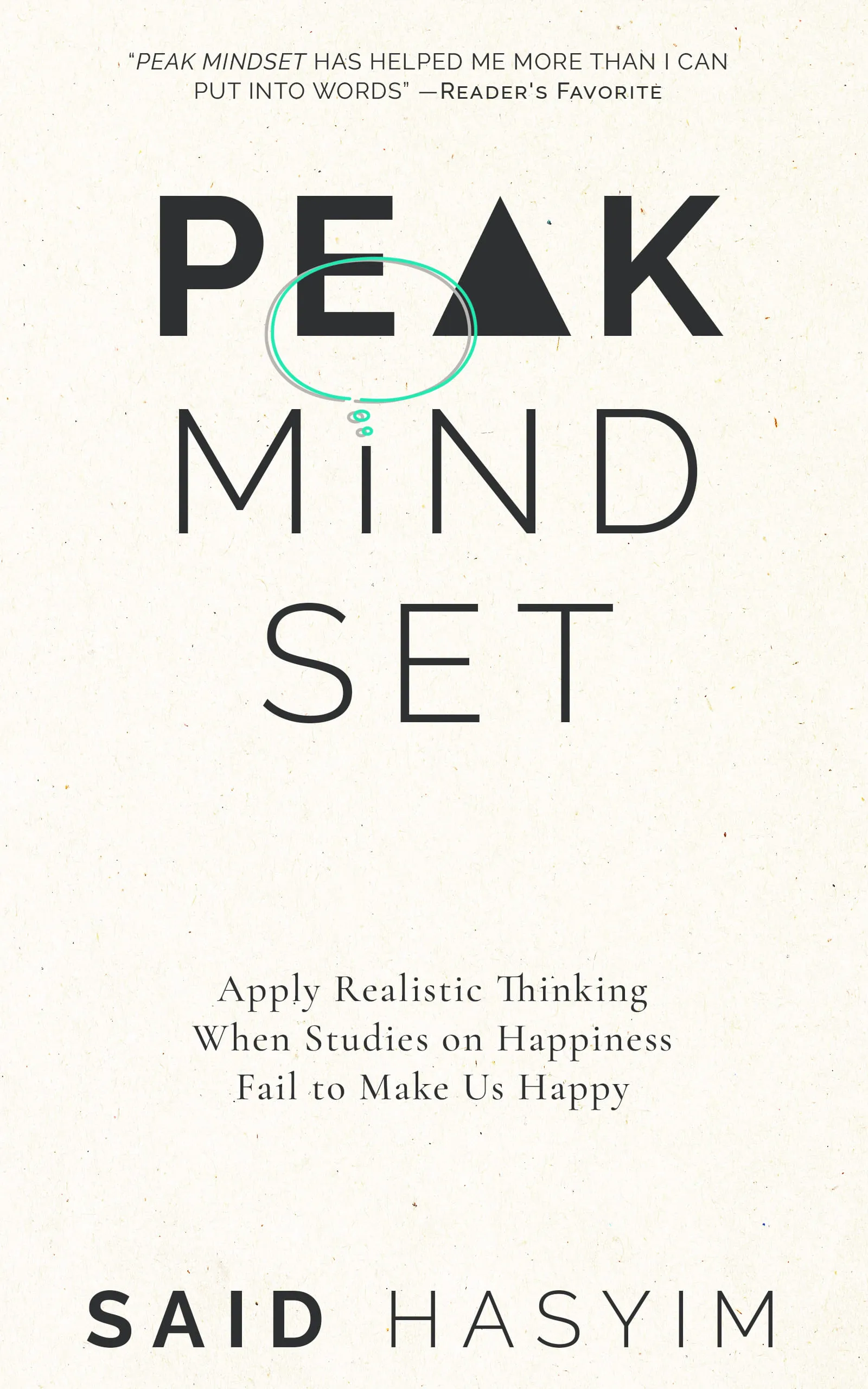
Leverage Your Mindset for a Fulfilling Life
Explore Peak Mindset, a book to leveraging your subconscious for a more fulfilling life. Gain insights into realistic thinking, money management, and stress resilience to make informed decisions. Discover pitfalls in conventional happiness advice and practical strategies for self-transformation. Unlock your potential and enhance your overall satisfaction.