Common Misconceptions About Happiness Explored
Happiness—the elusive state that everyone seems to be chasing. We often hear phrases like “money can't buy happiness” or “happiness is a choice.” But in a world saturated with information, there are plenty of misconceptions about what happiness truly is and how to achieve it. In this blog post, we will explore some of the most common misconceptions about happiness, unpacking the myths and providing a clearer understanding of this complex emotion.
Misconception 1: Happiness is a Permanent State
Many people believe that happiness is a destination—a permanent state that can be achieved and maintained indefinitely. This misconception often leads to disappointment when individuals find that their happiness ebbs and flows over time due to various life circumstances.
The Reality: Happiness is Fluid
Happiness is not a static state but rather a dynamic emotional experience. It can be influenced by a myriad of factors such as our environment, relationships, health, and even the weather. Instead of seeking a constant state of bliss, it is more beneficial to embrace the idea that happiness comes in waves. Accepting that it is normal to experience fluctuations in happiness allows for a more realistic and fulfilling emotional journey.
Misconception 2: Happiness is Found in External Circumstances
Another common belief is that happiness can be found in external achievements—like getting a promotion, acquiring wealth, or finding a romantic partner. Many people equate success with happiness, leading them to pursue goals and possessions in hopes of achieving the elusive happiness they desire.
The Reality: Inner Fulfillment Matters More
While external circumstances can influence feelings of happiness, true joy often stems from internal factors such as self-acceptance, resilience, and authenticity. Research has shown that intrinsic factors like meaningful relationships, personal growth, and purposeful living are more strongly associated with lasting happiness than external accomplishments or possessions. Focusing on nurturing your inner self often leads to deeper and more sustainable happiness.
Misconception 3: Happiness is the Absence of Negative Emotions
It’s common to think that happiness means being free from negative emotions such as sadness, anger, or anxiety. Many individuals strive to eliminate these feelings from their lives, believing that doing so will lead to happiness.
The Reality: Emotions are Complex and Multi-Faceted
In reality, happiness and negative emotions can coexist. Experiencing a range of emotions is a normal part of the human experience. Allowing ourselves to feel and process negative emotions can enhance emotional resilience and provide deeper insights into ourselves and our lives. It’s essential to acknowledge all of our feelings, not just the positive ones, to foster true emotional well-being. Embracing the full spectrum of emotions allows for personal growth and a richer understanding of happiness.
Misconception 4: Happiness is Contagious
You may have heard that being around happy people will make you happy too, suggesting that happiness is highly contagious. While it’s true that emotions can spread in social networks, believing that simply surrounding yourself with happy people will magically improve your own happiness is an oversimplification.
The Reality: Personal Agency Plays a Key Role
While social connections are undoubtedly important for emotional well-being, individual agency is crucial. Happiness can be influenced by others, but each person's happiness journey is personal and shaped by unique experiences, values, and choices. Engaging actively in your happiness—through self-reflection, pursuing passions, and cultivating gratitude—is essential for long-lasting fulfillment.
Misconception 5: You Must Sacrifice for Happiness
There’s often a belief that in order to be happy, one must sacrifice something significant—like personal time, career aspirations, or healthy relationships. This myth can create a false dichotomy where people feel they must choose between their happiness and other pressing responsibilities.
The Reality: Balance is Key
Happiness doesn’t have to come at the expense of other important areas of life. Striving for a balance among various aspects—work, relationships, health, and leisure—can foster a holistic sense of fulfillment. That does not mean compromises aren’t necessary; however, it is essential to understand that prioritizing your own happiness can enhance every area of your life, making you more effective and cheerful in all pursuits.
Misconception 6: Happiness is a One-Size-Fits-All Concept
Many people apply their definitions of happiness onto others, believing that what makes them happy should also work for everyone else. From enjoying a night out with friends to finding joy in solitude, experiences of happiness vary hugely from person to person.
The Reality: Happiness is Highly Individual
Understanding that happiness is subjective is paramount. What means happiness for one person might not resonate with another. It’s essential to explore personal values, interests, and needs to create a happiness blueprint tailored to one's unique lifestyle and aspirations. Engaging in self-inquiry and experimentation can lead to discovering your personal version of happiness.
Conclusion
Happiness is a rich, multi-faceted experience that cannot be distilled into simplistic formulas or universal truths. By dispelling these misconceptions, we can cultivate a more nuanced understanding of what happiness truly is—an evolving journey rather than a fixed destination. Embrace the highs and lows, prioritize personal growth, and remember that happiness is highly personal.
As you navigate your path to fulfillment, take the time to explore your own emotions, relationships, and aspirations. Recognizing and challenging these common misconceptions will empower you to live a more authentic and joyful life. Happiness may not always be easy to achieve, but the journey is well worth the effort.
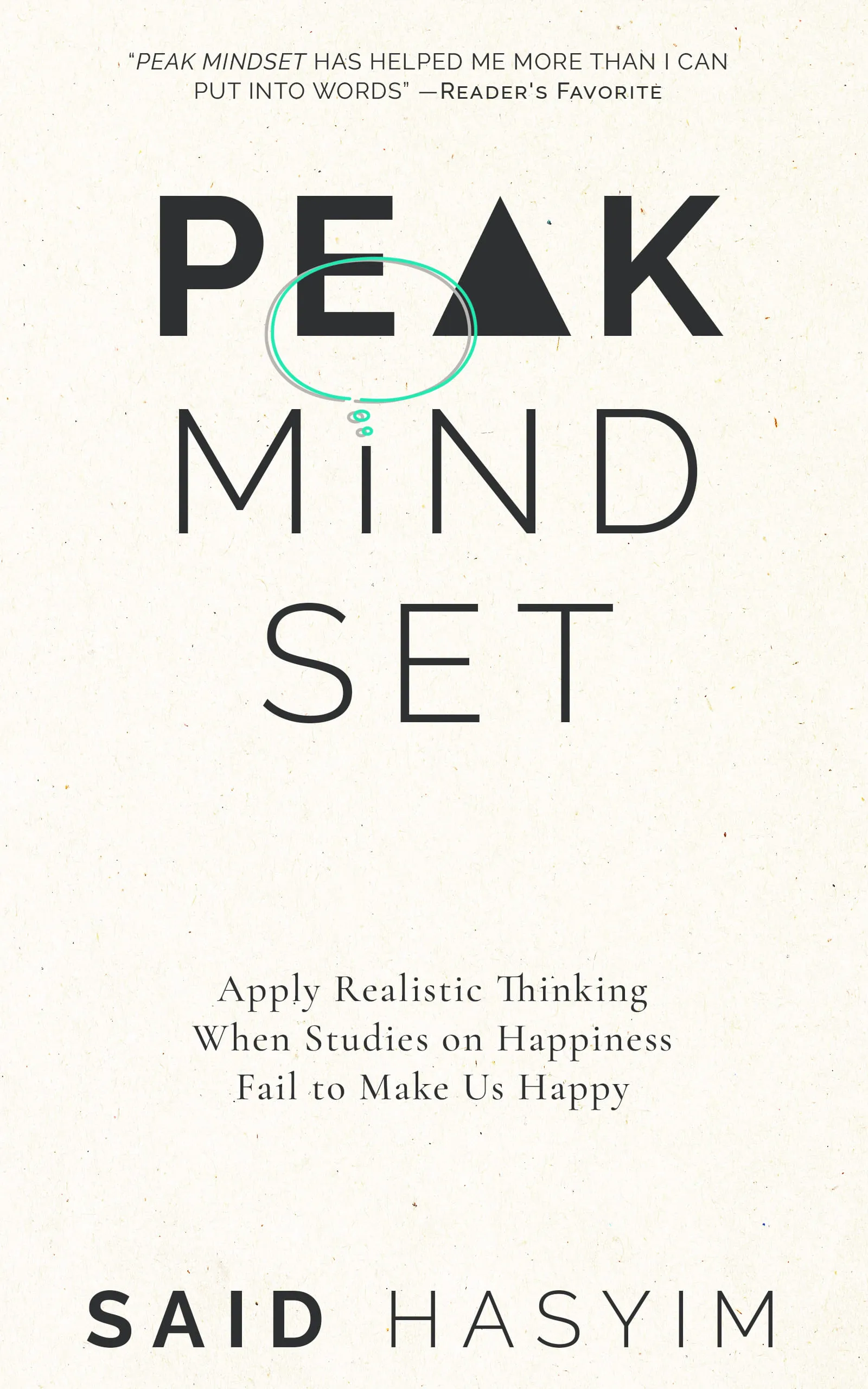
Leverage Your Mindset for a Fulfilling Life
Explore Peak Mindset, a book to leveraging your subconscious for a more fulfilling life. Gain insights into realistic thinking, money management, and stress resilience to make informed decisions. Discover pitfalls in conventional happiness advice and practical strategies for self-transformation. Unlock your potential and enhance your overall satisfaction.