Balancing Optimism with Realistic Goals for Happiness
In a world that constantly fluctuates between highs and lows, the quest for happiness often feels like navigating a rollercoaster. Many of us have been taught to maintain an optimistic outlook, to see the world through a lens of positivity. While optimism can be a powerful motivator and an essential ingredient in achieving our goals, it is equally important to ground our aspirations in reality. Finding the right balance between optimism and realism can create a more sustainable path to happiness.
The Power of Optimism
Optimism is a positive outlook on life; it enables us to envision a better future and motivates us to pursue our dreams. Research has shown that those who practice optimism tend to:
- Experience better health: Optimists often have lower stress levels, which can lead to improved physical health.
- Have stronger relationships: A positive attitude can be infectious and improve interactions with others.
- Achieve goals more effectively: With a belief that things will turn out well, optimists are more likely to take the necessary steps toward achieving their objectives.
However, optimism must be paired with practical strategies to ensure it leads to meaningful outcomes.
The Importance of Realistic Goals
While optimism can propel us forward, setting realistic goals is the mechanism that prevents us from flying too close to the sun. Goals that are grounded in reality allow us to:
- Stay motivated: Realistic goals help maintain our energy and focus, preventing the disillusionment that often arises from unattainable expectations.
- Enhance self-efficacy: Achieving smaller, realistic goals can build confidence and resilience, making us more capable of tackling larger challenges.
- Foster adaptability: Realistic goals recognize that life can be unpredictable; they encourage flexibility and openness to change.
Balancing optimism with realism means understanding where we stand in the context of our aspirations and recognizing that achieving happiness is a journey, not a destination.
Steps to Achieve a Balance
Set SMART Goals
To create a framework that supports both optimism and realism, consider the SMART criteria for goal-setting:
- Specific: Clearly define what you want to achieve.
- Measurable: Establish criteria to track your progress.
- Achievable: Ensure that your goals are realistic and attainable.
- Relevant: Align your goals with your values and long-term objectives.
- Time-bound: Set a deadline to foster urgency and commitment.
By applying the SMART criteria, you can create a roadmap that fits your optimistic vision while remaining grounded in reality.
Practice Gratitude
Fostering a mindset of gratitude allows us to appreciate the present moment. This practice can lead to greater satisfaction with our lives and provide a balanced perspective on our goals. Regularly acknowledging what you are thankful for can increase overall happiness and help temper unrealistic aspirations with an appreciation for what you already have.
Seek Input and Support
Don’t hesitate to seek feedback from friends, family, or mentors about your goals. Other perspectives can provide valuable insights and highlight areas where your optimism might overshadow reality. Surrounding yourself with a supportive community encourages growth and accountability, helping you adjust your goals as necessary.
Embrace Setbacks as Learning Opportunities
When working towards our goals, it’s inevitable that we will face challenges or setbacks. Instead of framing these as failures, view them as opportunities for learning and growth. Both optimism and realism come into play in these moments; an optimistic mindset can foster resilience, while a realistic assessment can guide your next steps.
Stay Flexible and Adaptable
Life is full of surprises, and our goals may need to shift as circumstances change. Balancing optimism with realism involves recognizing when it's time to adjust your plans. Being adaptable means you can stay motivated despite external factors that may be out of your control.
The Role of Mindfulness
Incorporating mindfulness into your daily routine can be an effective way to balance optimism with reality. By being present and fully engaged in the moment, you can gain a clearer understanding of your thoughts, feelings, and aspirations. Mindfulness encourages:
- Self-awareness: Understanding your motivations and desires helps clarify whether they are grounded in reality.
- Reduced stress: Mindfulness practices can help calm racing thoughts and reduce anxiety, allowing for more grounded decision-making.
- Improved focus: Staying present helps maintain your attention on realistic goals rather than getting lost in an idealized vision of the future.
Conclusion
The journey to happiness is a complex path that requires a delicate balance between optimism and realistic goal-setting. Embracing positivity can lift our spirits and inspire us to strive for greater things, but it is crucial to anchor our dreams in achievable realities. By setting SMART goals, practicing gratitude, seeking support, learning from setbacks, and embracing mindfulness, we can create a fulfilling and sustainable happiness.
As we navigate life's ups and downs, let us remember that happiness is not solely about reaching a destination but is also found in the daily process of striving, learning, and growing. Finding joy in the journey will ultimately lead to a deeper, more authentic sense of fulfillment.
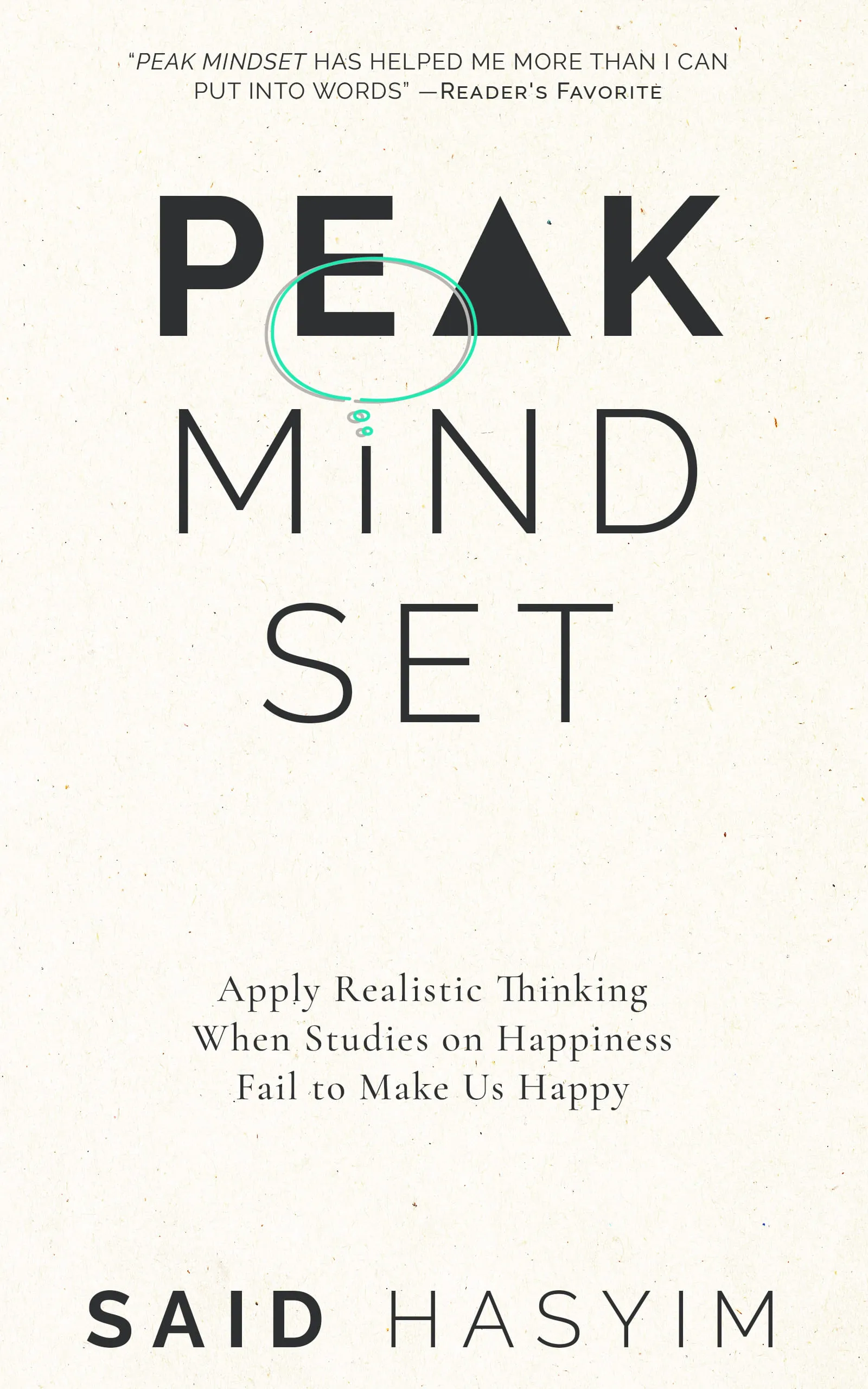
Leverage Your Mindset for a Fulfilling Life
Explore Peak Mindset, a book to leveraging your subconscious for a more fulfilling life. Gain insights into realistic thinking, money management, and stress resilience to make informed decisions. Discover pitfalls in conventional happiness advice and practical strategies for self-transformation. Unlock your potential and enhance your overall satisfaction.