The Connection Between Gifts and Mental Wellness
In today’s fast-paced world, mental wellness is an ever-growing concern that deserves our attention and care. While many might think of mental health as solely about self-care routines, therapy, and medication, there’s a broader perspective to explore—one that encompasses the significance of gifts. Yes, that’s right—gifts, whether given or received, can have a profound impact on mental wellness. In this blog post, we’ll delve into the connection between gifts and mental wellness, examining how both the act of giving and receiving gifts can foster emotional well-being.
The Psychological Impact of Giving Gifts
1. Boosting Emotional Well-Being
Giving gifts is often seen as an altruistic act, one that not only brings joy to the receiver but also elevates the mood of the giver. Engaging in acts of kindness, like giving a thoughtful gift, has been shown to release endorphins, sometimes referred to as the "helper’s high." This phenomenon enhances emotional well-being, reduces stress and anxiety, and creates feelings of happiness. When you give a gift, you are actively engaging in a positive action that fosters a connection with others, strengthening your own emotional health in the process.
2. Fostering Social Connections
Connection is a fundamental aspect of mental wellness. When we give gifts, we strengthen our social bonds, creating a sense of belonging. Social connection not only improves our mood but can also lead to increased feelings of support and acceptance. Receiving and giving gifts can act as a bridge to meaningful conversations and shared experiences. These social interactions contribute to a more profound sense of community and safety, which is essential for mental well-being.
The Joy of Receiving Gifts
3. Feeling Valued and Appreciated
Receiving a gift can evoke feelings of being valued and appreciated. When someone takes the time to select a gift specifically for us, it communicates thoughtfulness and care. This acknowledgment can boost self-esteem and fosters a sense of worthiness. Individuals experiencing loneliness or self-doubt may find that receiving a gift can brighten their day and help reshape their self-perception.
4. Creating Memorable Experiences
It’s not just the material aspect of gifts that matters; it’s the memories created around them. Whether it’s a birthday celebration or a surprise gift on a regular day, these moments have the potential to become cherished memories. Thoughtful gifts often signify special times, connecting us to our past and improving our current mental state. Recalling these happy moments can be a powerful tool for combating negative emotions and providing solace in times of stress.
The Dual Benefits of DIY Gifts
5. The Power of Creativity
Making gifts for others can be a therapeutic process. Engaging in creative activities releases dopamine, the neurotransmitter associated with pleasure and reward. By channeling your energy into crafting something unique, you can experience joy and fulfillment. Not only does this act serve as a personal outlet for emotions, but it also allows you to share a piece of yourself, enhancing your sense of connection with the recipient.
6. Crafting and Mindfulness
The act of creating a gift can be inherently mindful. Focusing on the process of crafting allows individuals to be present in the moment, providing a much-needed distraction from negative thoughts or stressors. As people immerse themselves in the creative process, they reduce anxiety and cultivate a sense of peace. This mindfulness can translate into a more profound appreciation of the act of giving itself, thereby enriching the experience for both the giver and the receiver.
The Importance of Personalization
7. Tailoring Gifts to Recipients
When we take the time to personalize a gift, it can significantly enhance its impact on mental wellness. Tailored gifts show that we understand and value the recipient’s preferences and needs. This thoughtfulness in choosing presents fosters deeper emotional connections and reinforces the social bonds that are crucial for mental well-being. A personalized gift can be a source of comfort and happiness, reminding the recipient that they are cherished and cared for.
8. Communicating Love and Affection
Gifts serve as physical manifestations of emotions. They are tokens of love, friendship, and gratitude. By exchanging gifts, we communicate feelings that might be challenging to express verbally. This exchange can help in vulnerable moments—whether it’s a token of sympathy during tough times or a celebration of achievement. Such gestures serve to affirm relationships and convey that we are partners in one another’s journeys through life.
Conclusion: The Gift of Mental Wellness
The connection between gifts and mental wellness is multifaceted and rich with potential for enhancing our emotional health. Whether through giving, receiving, crafting, or personalizing gifts, we unlock pathways to well-being. The simple act of sharing with one another fosters connection, creates joyful memories, and encourages kindness.
As we navigate the complexities of our modern lives, it’s essential to remember the joy that can come from both giving and receiving gifts. By embracing the power of these acts, we can contribute positively to our own mental wellness and that of others. So the next time you ponder a gift idea or find an opportunity to extend a kind gesture, consider how that simple act can help illuminate the path toward a healthier, happier mind for both you and those you cherish.
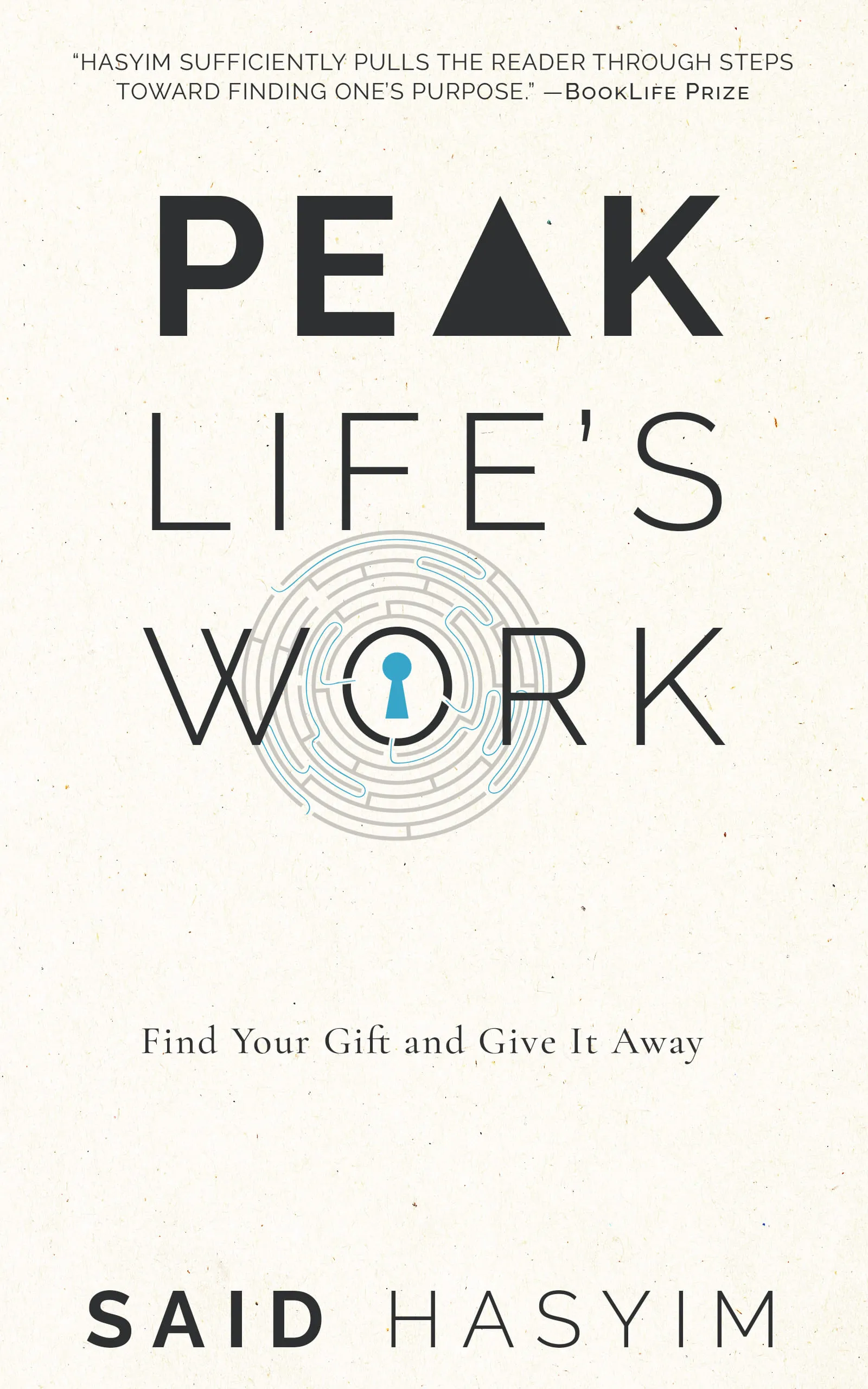
Start Your Transformative Journey
Peak Life's Work, a transformative book to unlocking your true potential and finding purpose. Learn science-backed strategies from top performers to enhance skills and creativity. Gain insights into success and failure while uncovering your personal talents. With practical steps for self-discovery and nurturing talent, this book equips you for a fulfilling journey toward your greatest work.