Shaping Memories: Understanding Neuroplasticity
Neuroplasticity is a fascinating and rapidly evolving field of study that has significant implications not just for neuroscience, but for psychology, education, and even our daily lives. This blog post aims to unravel the complexities of neuroplasticity, delve into its mechanisms, and explore how it shapes our memories and experiences.
What is Neuroplasticity?
Neuroplasticity refers to the brain's remarkable ability to reorganize itself by forming new neural connections throughout life. This characteristic allows the brain to adjust its activities in response to new situations or changes in the environment. From learning new skills to recovering from injury, neuroplasticity is a fundamental aspect of how we adapt and grow.
Historically, it was believed that the brain was static after a certain stage of development, primarily adapting only during childhood. However, advancing research has shown that neuroplasticity is a lifelong process, allowing for continuous learning and adaptation.
The Mechanisms of Neuroplasticity
Neuroplasticity can occur through various mechanisms, which can be broadly categorized into two types: functional and structural plasticity.
1. Functional Plasticity
Functional plasticity refers to the brain's ability to transfer functions from damaged areas to undamaged areas. For instance, in the case of a stroke, if one part of the brain is damaged, other parts can take over some of its functions. This adaptability is crucial for recovery and rehabilitation.
2. Structural Plasticity
Structural plasticity involves the physical changes in the brain's structure due to learning and experience. When we learn something new, the neurons in our brains communicate through synapses, and repeated exposure to information strengthens these connections. This means that the more we engage with a concept or skill, the more robust the underlying neural pathways become.
Synaptogenesis and Pruning
Two key processes involved in neuroplasticity are synaptogenesis and synaptic pruning.
- Synaptogenesis is the formation of new synapses (the connections between neurons) which allows for new information to be coded into memory.
- Synaptic pruning is the process where unused synapses are eliminated, which helps streamline the brain’s functions for optimal efficiency.
These processes are especially active during childhood but continue into adulthood, albeit at a reduced rate.
Neuroplasticity and Memory
Memories are not rigid, unchangeable entities; they are dynamic and can be reshaped over time. Neuroplasticity plays a crucial role in how memories are formed, stored, and recalled. Here's how it works:
Memory Formation
When we experience something new, our senses gather information and send it to the brain for processing. Through a process called encoding, this information is transformed into a neural representation, creating a memory. The strength and quality of this memory depend on various factors, including our attention, emotional state, and the repetition of the experience.
Memory Consolidation
Memory consolidation is the process through which short-term memories become long-term ones. This involves the stabilization of the neural circuits that represent our memories. Sleep plays a vital role in this process, allowing the brain to reinforce and solidify memories formed throughout the day.
Memory Retrieval
When we recall a memory, the neural pathways associated with that memory are activated. Interestingly, this process can alter the memory itself. Each time we access a memory, it becomes malleable, which means it can be strengthened or weakened, depending on our emotional and cognitive responses. This phenomenon is particularly relevant in therapeutic settings, such as PTSD treatment, where changing the emotional context of a memory can help alleviate distress.
The Role of Experience
The concept of neuroplasticity emphasizes that experience is not just a passive observer in the learning process; it is an active participant. Our interactions with the environment shape our brain's architecture, influencing how we think, feel, and behave.
Education and Learning
Educators have a vested interest in understanding neuroplasticity, as it has profound implications for teaching methods and learning strategies. Techniques that encourage active engagement, practice, and repetition can enhance neuroplasticity, fostering better learning outcomes. Additionally, creating a supportive emotional environment can further amplify these effects, demonstrating the importance of context in the learning process.
Therapy and Rehabilitation
Neuroplasticity has been a game changer in therapeutic practices. For example, in cognitive-behavioral therapy (CBT), clients are taught to reframe negative thoughts and behaviors. This therapeutic approach can effectively reshape neural pathways, oftentimes resulting in significantly improved mental health outcomes. Likewise, physical rehabilitation after neurological injuries relies heavily on the principles of neuroplasticity, using repetitive exercises to encourage the brain to form new connections and regain lost functions.
Challenges and Limitations
While neuroplasticity offers remarkable potential, it is not without its challenges. Excessive stress, trauma, and negative experiences can also lead to harmful reorganization of neural pathways, giving rise to mental health issues like anxiety and depression. Thus, while the brain is adaptable, it is also susceptible to the influence of our environments and experiences.
Moreover, the full extent of neuroplasticity is still being studied, with many aspects remaining unclear. Questions about how we can best harness neuroplasticity for educational purposes, therapy, and personal growth continue to be explored by researchers and practitioners.
Conclusion
Neuroplasticity is a testament to the brain's incredible ability to adapt, change, and learn throughout our lives. It offers hope for those seeking recovery from trauma, facilitates learning, and enriches our understanding of human experiences. By recognizing the influence of neuroplasticity in our daily lives, we can cultivate strategies that promote positive change, support learning, and ultimately shape our memories for the better.
As we continue to explore the depths of neuroplasticity, we may unlock new doors in therapy, education, and self-awareness, paving the way for a brighter future filled with continuous growth and understanding.
By understanding neuroplasticity, we empower ourselves to take control of our learning processes, recovery journeys, and emotional well-being. Engaging with the science of the brain is not just for scientists; it’s for anyone looking to navigate the complexities of human experience with knowledge and intention.
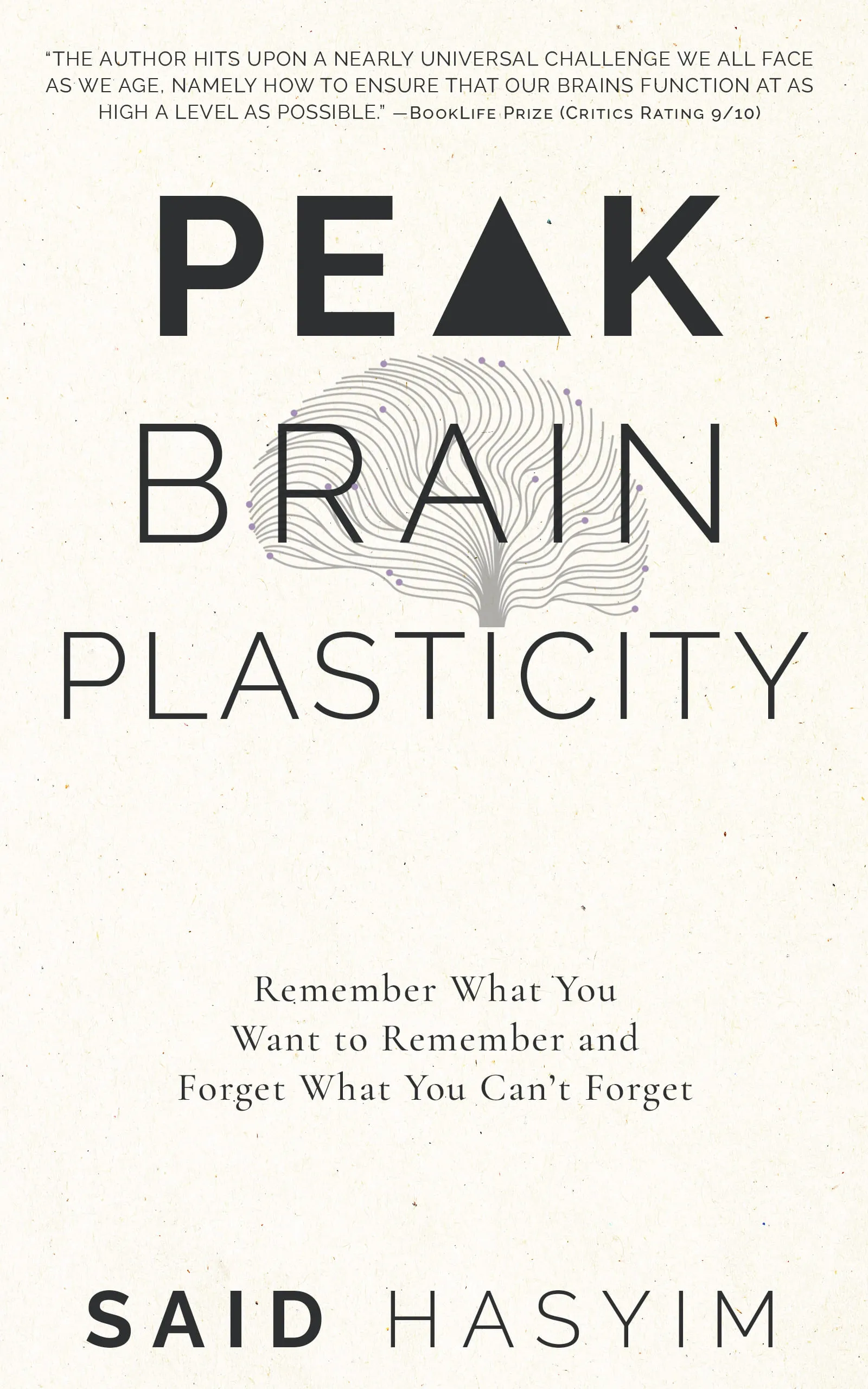
Harness the Power of Neuroplasticity
Discover Peak Brain Plasticity, a practical book to harnessing neuroplasticity. Enhance your memory, learn new languages quickly, and alleviate anxiety with effective study methods. Uncover daily habits that impact cognitive health and explore techniques for accelerated learning and memory retention. Unlock your brain's potential for growth and transformation.