Secrets of Retaining Information Effectively
In today’s information-saturated world, retaining what we learn has become a crucial skill. Whether you are a student, a professional, or someone simply interested in personal growth, the ability to internalize and recall information can greatly impact your success. If you find yourself struggling to remember important details or concepts, you're not alone. The good news is that there are various strategies and techniques you can employ to improve your memory and retention. In this blog post, we will explore some of the most effective secrets for retaining information effectively.
Understanding Memory
Before diving into retention techniques, it’s essential to understand how memory works. Human memory comprises three main processes: encoding, storage, and retrieval.
Encoding: This is the initial stage where information is transformed into a format that can be stored in the brain. Strong encoding involves making connections and transforming information into meaningful chunks.
Storage: Once the information is encoded, it needs to be stored for future retrieval. Information can be stored in short-term memory for quick access or long-term memory for more in-depth retention.
Retrieval: This is the process of recalling stored information when needed. Effective retrieval cues can help trigger memories and improve recall.
Understanding these processes is vital because it helps us identify where our retention strategies can be improved.
Techniques for Effective Information Retention
1. Active Learning
Active learning involves engaging with the material in a hands-on manner rather than passively reading or listening. Techniques include:
Note-taking: Write down key points in your own words. This forces you to process the information more deeply.
Summarization: After studying a topic, summarize what you’ve learned. This technique helps reinforce your understanding and identify areas that may need further review.
Teaching others: Explaining a concept to someone else helps solidify your own understanding. This is known as the "protégé effect."
2. Spaced Repetition
Spaced repetition is a learning technique that involves reviewing information over increasing intervals of time. Instead of cramming before a test, this method helps reinforce memory through regular revisits:
Create a schedule: Use apps or techniques like the Leitner system to plan your review sessions, spacing them out to prevent information overload.
Mix old and new: When reviewing, integrate older material with new content to create connections and enhance understanding.
3. Visualization
Our brains process visual information more efficiently than text alone. Using visuals can make learning more impactful:
Mind maps: Create diagrams that illustrate connections between concepts. This can help you visualize relationships and organize thoughts.
Charts and graphs: Use visual representations of data to better understand complex information.
4. Mnemonics and Memory Aids
Mnemonics are memory techniques that help simplify the encoding process. Consider these tools:
Acronyms: Create acronyms from the first letters of a list of items you want to remember. For example, "HOMES" for the Great Lakes (Huron, Ontario, Michigan, Erie, Superior).
Rhymes and songs: Turn information into catchy rhymes or melodies to make it more memorable.
5. Contextual Learning
Learning in context helps create associations that improve retention. Strategies to enhance contextual learning include:
Real-world applications: Relate what you’re learning to real-life scenarios. This not only aids memory but also enhances understanding.
Study in different locations: Changing your study environment can help improve contextual recall by creating distinct associations with the information.
6. Emotional Engagement
Emotion plays a significant role in memory retention. When we have an emotional connection to information, we are more likely to remember it. To enhance emotional engagement:
Connect with stories: Use storytelling techniques when learning new concepts. Stories create emotional connections and context that aid in memory.
Use personal experiences: Relate new information to your own life experiences, making it more meaningful and easier to recall.
7. Optimize Your Environment
Your physical environment can significantly influence your ability to focus and retain information:
Limit distractions: Create a study space free from interruptions and noise, allowing your mind to focus solely on learning.
Use comfortable lighting: Ensure your study space is well-lit. Good lighting can keep you alert and engaged.
8. Maintain a Healthy Lifestyle
Your overall health impacts cognitive functions, including memory. To improve memory retention, consider:
Regular exercise: Physical activity increases blood flow to the brain and promotes the growth of new neurons.
Balanced diet: Consume a nutritious diet rich in omega-3 fatty acids, antioxidants, and adequate hydration to support brain function.
Quality sleep: Prioritize restful sleep to allow your brain to consolidate and store information effectively.
Conclusion
Retaining information effectively is a skill that can be developed through consistent practice and the application of various techniques. By using active learning strategies, spaced repetition, visualization, mnemonics, contextual learning, emotional engagement, optimizing your environment, and maintaining a healthy lifestyle, you can significantly enhance your ability to remember and recall information.
Start by incorporating a few of these strategies into your daily routine, and watch as your retention and understanding of information improve. With patience and persistence, you can unlock the secrets to effective memory retention and pave the way for lifelong learning and success. Remember, the journey of learning is just as important as the destination, so enjoy the process!
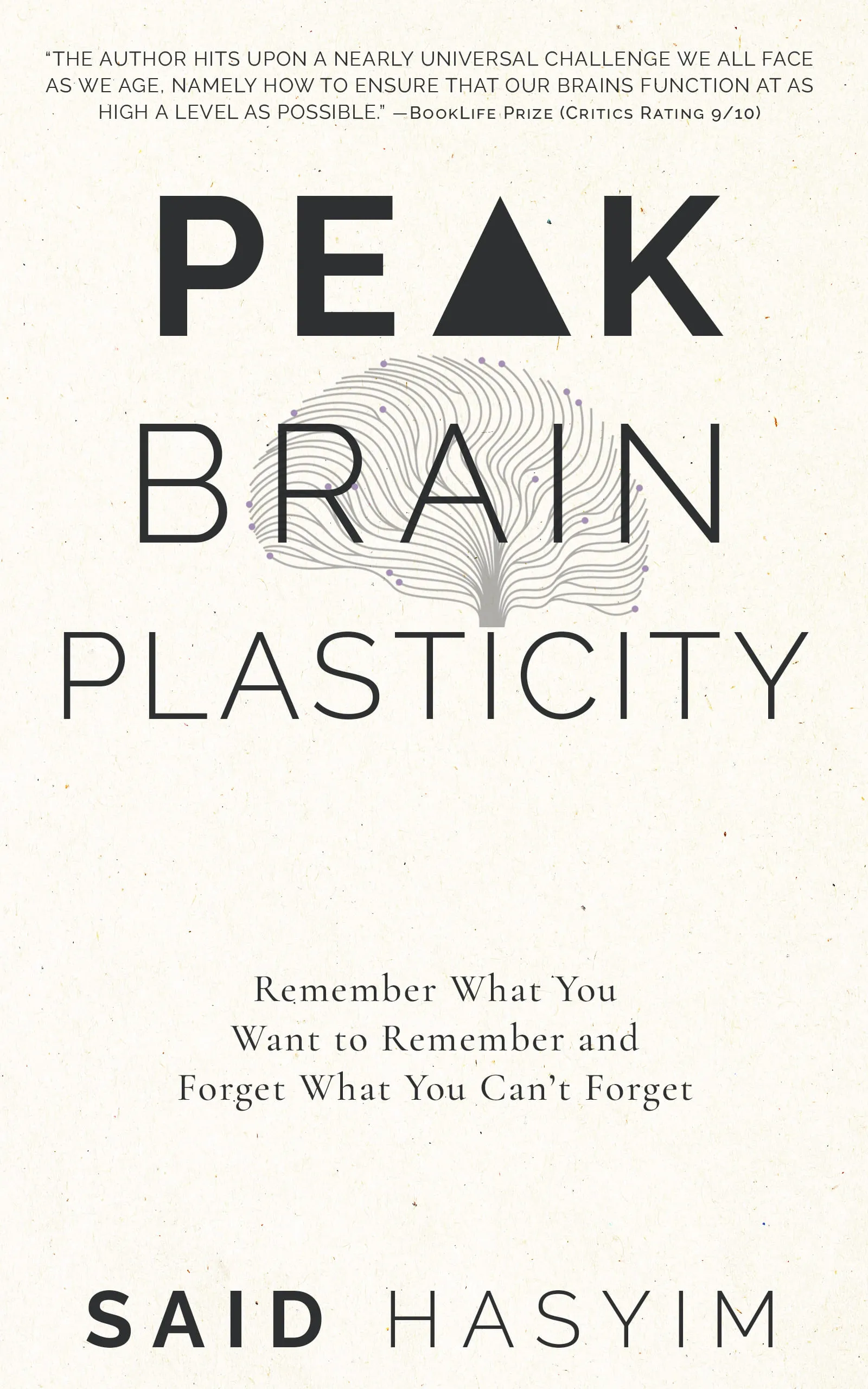
Harness the Power of Neuroplasticity
Discover Peak Brain Plasticity, a practical book to harnessing neuroplasticity. Enhance your memory, learn new languages quickly, and alleviate anxiety with effective study methods. Uncover daily habits that impact cognitive health and explore techniques for accelerated learning and memory retention. Unlock your brain's potential for growth and transformation.