Problem-Solving Skills: Enhancing Your Memory
In the fast-paced world we live in today, effective problem-solving skills are more critical than ever. Whether you are a student facing academic challenges, a professional working on complex projects, or just someone trying to navigate everyday life, the ability to solve problems efficiently can set you apart. An essential component of effective problem-solving is memory. In this blog post, we'll explore how you can enhance your memory to become a more proficient problem-solver.
Understanding Problem-Solving and Memory
Before we dive into techniques and strategies, it's important to understand the relationship between memory and problem-solving. Memory can be broken down into three primary types: sensory memory, short-term memory, and long-term memory. Each type plays a critical role in how we process information and solve problems.
Sensory Memory: This is the shortest type of memory, lasting only a few seconds. It involves the initial recording of sensory information from the environment. While not directly involved in solving problems, it lays the groundwork for further processing.
Short-Term Memory: Also known as working memory, this is where we hold information temporarily. It is essential for making calculations, following multi-step processes, and recalling information while working on a problem.
Long-Term Memory: This type of memory stores information over extended periods. It encompasses everything from factual knowledge to procedural skills. The more information you have stored in long-term memory, the easier it becomes to draw upon relevant knowledge when faced with new challenges.
Strategies for Enhancing Memory
To boost your problem-solving skills, consider implementing the following memory-enhancement strategies:
1. Utilize Mnemonics
Mnemonics are memory aids that help you recall larger pieces of information by breaking them into manageable chunks. Techniques such as acronyms, rhymes, or visual imagery can turn complex concepts into memorable cues. For example, to remember the steps of problem-solving—define, analyze, generate, evaluate, and implement—create a catchy phrase using the first letters of each step.
2. Engage in Active Learning
Active involvement in the learning process significantly improves memory retention. This can include group discussions, teaching others what you’ve learned, or applying concepts in real-world situations. Engaging fully allows you to form stronger connections to the material, making it easier to recall later.
3. Chunking Information
Breaking information into smaller, digestible chunks can improve retention. For instance, when learning a new topic, don’t overwhelm yourself with vast amounts of information at once; instead, divide it into segments. This technique aids short-term memory storage, making it simpler to draw upon that information when needed.
4. Keep a Problem-Solving Journal
Documenting your problem-solving processes, challenges faced, and solutions found can serve as a natural repository for information. This not only reinforces the skills you have learned but creates a personalized reference guide for future use.
5. Practice Mind Mapping
Mind mapping is a visual organization tool that helps establish connections between ideas. By creating a mind map, you can visually organize thoughts and information related to a specific problem. This not only aids recall but also sparks creativity and a deeper understanding of relationships within the data.
6. Establish a Routine
Creating a structured routine around problem-solving tasks can improve memory. Repeated exposure to specific challenges or types of problems allows you to recognize patterns and draw on previous experiences, leading to quicker and more efficient solutions.
7. Foster Curiosity and Lifelong Learning
Cultivating curiosity can lead to a richer knowledge base and a more adaptable memory. Embrace new topics, explore different disciplines, and seek out new experiences. The more diverse your experiences, the more connections your brain can make, enhancing both memory and problem-solving capabilities.
8. Regular Review and Reflection
Regularly revisiting learned material helps transfer information into long-term memory. Reflection on what you learned and how it applies to new scenarios reinforces connections and enhances recall, making it easier to retrieve relevant information when faced with a problem.
The Role of Stress Management
Effective memory enhancement isn't solely about techniques; it also revolves around maintaining a healthy mental state. Stress can have a detrimental effect on memory and cognitive functions. Here are a few stress management techniques:
Mindfulness and Meditation: Practicing mindfulness can improve focus, clarity, and memory retention. Simple meditation exercises promote relaxation and enhance brain function.
Physical Exercise: Regular physical activity improves cognition, including memory. Exercise increases blood flow to the brain, fostering an environment for new neural connections.
Adequate Sleep: Quality sleep is vital for memory consolidation. Aim for 7-9 hours of sleep per night to allow your brain to recover, process, and store information effectively.
Conclusion
Enhancing your memory is a powerful tool in becoming a better problem-solver. By implementing these strategies and prioritizing mental well-being, you can improve your ability to recall information, think critically, and innovate solutions. Remember that problem-solving is a skill that takes practice; be patient with yourself and continue to build upon your knowledge. With dedicated effort, you can become a more efficient, effective problem-solver ready to tackle any challenge that comes your way.
Final Thoughts
As you embark on this journey to enhance your problem-solving skills and memory, remember that it’s not just about accumulating knowledge. It’s about building a mindset of curiosity, resilience, and critical thinking that empowers you to face challenges with confidence. So, harness the power of memory and enjoy the process of becoming a more accomplished problem-solver!
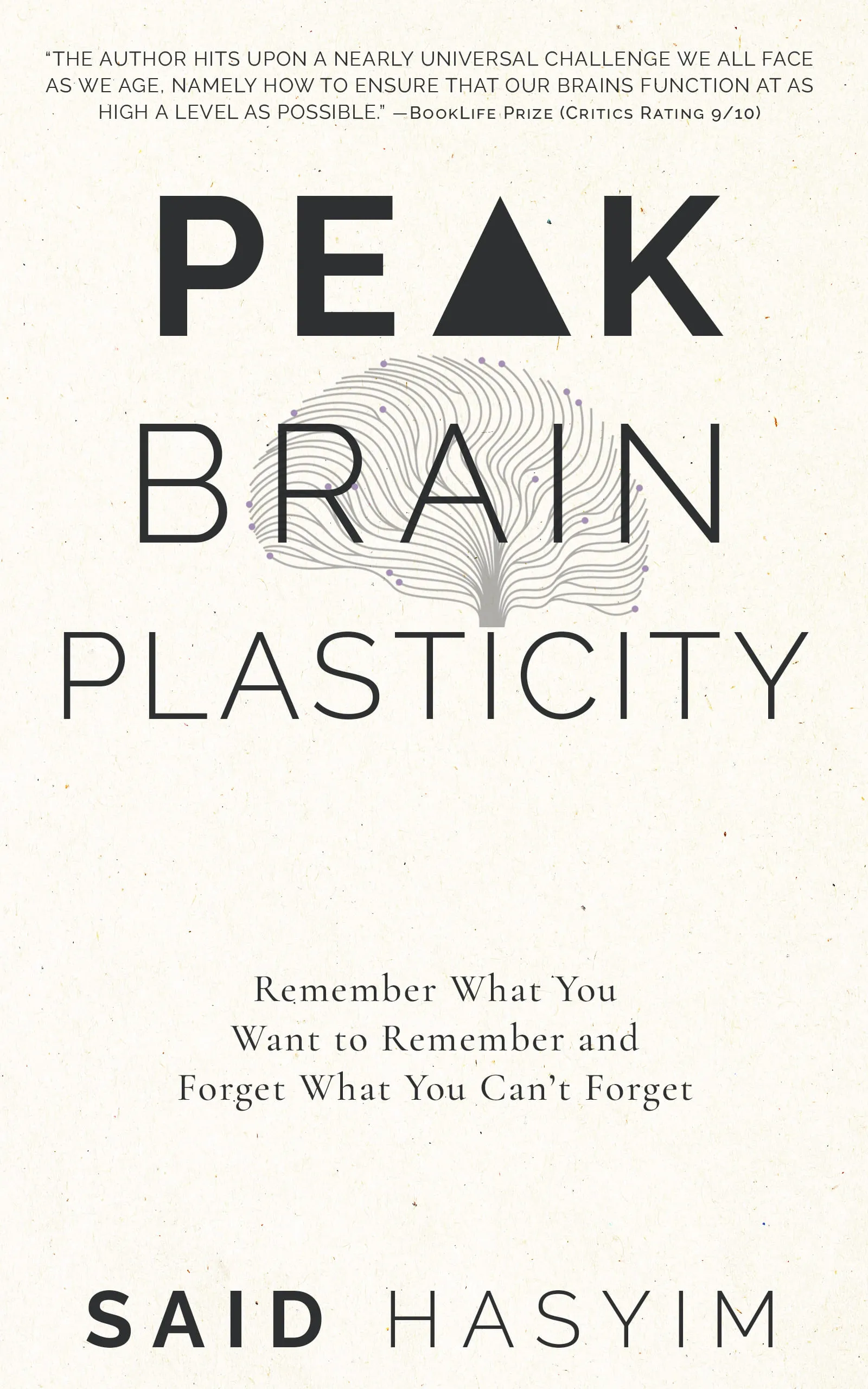
Harness the Power of Neuroplasticity
Discover Peak Brain Plasticity, a practical book to harnessing neuroplasticity. Enhance your memory, learn new languages quickly, and alleviate anxiety with effective study methods. Uncover daily habits that impact cognitive health and explore techniques for accelerated learning and memory retention. Unlock your brain's potential for growth and transformation.