Optimize Memory Input: The Science Behind Learning
In the era of information overload, learning efficiently has become a crucial skill for personal and professional growth. Whether you're a student preparing for exams, a professional acquiring new skills, or a lifelong learner exploring new fields, understanding how to optimize memory input is essential. Let's delve into the science behind learning and memory optimization so that you can enhance your ability to learn and retain information effectively.
Understanding Memory
Memory is a complex process involving encoding, storage, and retrieval. It allows us to retain information over time, helping us navigate our daily lives. Memory is generally categorized into three types:
- Sensory Memory: This type briefly records sensory information. It lasts only milliseconds and helps us understand the environment around us.
- Short-Term Memory (STM): Short-term memory holds information temporarily for about 20-30 seconds. It has a limited capacity, often cited as 7 ± 2 items.
- Long-Term Memory (LTM): Long-term memory is where information is stored for extended periods, potentially a lifetime. It has a vast capacity and categorizes information further into explicit (declarative) and implicit (procedural) memories.
Understanding these three types of memory can help tailor techniques for capturing and retaining information effectively.
The Learning Process
Learning is often categorized into several stages:
Attention: The first step in the learning process is capturing attention. Without focused attention, information cannot be effectively encoded into memory.
Encoding: This is the process of transforming what we perceive into a format that can be stored in our memory system. Techniques like visualization or associating new information with existing knowledge can enhance encoding.
Storage: After encoding, the information must be stored in either short-term or long-term memory. The stability of in-memory information is influenced by the organization and distinctiveness of the material.
Retrieval: This is the ability to access stored information when required. Effective retrieval often involves cues that trigger recall, which emphasizes the importance of encoding strategies.
Techniques to Optimize Memory Input
1. Active Learning
One of the most effective ways to enhance memory retention is through active learning techniques. Instead of passively reading or listening, engage with the content through summarization, teaching, or discussing with others. Active participation solidifies the encoding process.
2. Spaced Repetition
Spaced repetition leverages the psychological spacing effect. Rather than cramming all information at once, revisiting material at spaced intervals leads to better retention. This technique capitalizes on the brain's natural forgetting curve, presenting information just as you're about to forget it, thereby strengthening memory pathways.
3. Multi-Sensory Learning
Engage multiple senses to deepen encoding. This may involve visual aids, auditory discussions, or hands-on activities. Multi-sensory approaches can make the learning experience more immersive and memorable.
4. Chunking
Chunking involves breaking down complex information into smaller, manageable units. For example, memorizing a long number can be simplified by grouping it into smaller sections (e.g., 123-456-7890). This technique helps reduce cognitive load, making it easier to process and remember information.
5. Mind Mapping
Creating mind maps is a visually stimulating way to organize thoughts and concepts. By connecting different pieces of information graphically, you can improve the way you encode and retrieve knowledge. Mind maps can highlight relationships and hierarchies that might not be evident through linear note-taking.
6. Mnemonics
Mnemonics are memory aids that use associations to enhance recall. Techniques can involve acronyms, rhymes, or vivid imagery. For instance, remembering the order of the planets in the solar system can be simplified using a phrase like, "My very eager mother just served us noodles."
7. Emotional Engagement
Emotions play a significant role in memory retention. Information associated with strong emotions tends to be remembered better. Finding ways to connect new concepts with something personally meaningful or emotionally resonant can enhance retention.
The Role of Sleep
A critical aspect often overlooked in memory optimization is sleep. During sleep, especially the REM stage, the brain processes and consolidates learned information. Without sufficient sleep, the capacity to encode and retrieve information diminishes. Hence, maintaining a healthy sleep schedule is vital for effective learning.
Nutrition and Memory
What we consume can also impact cognitive functions. A balanced diet rich in antioxidants, good fats, vitamins, and amino acids is conducive to brain health. Foods such as fatty fish, blueberries, nuts, and green leafy vegetables are particularly beneficial in supporting memory and overall cognitive function.
Conclusion
Optimizing memory input is not merely about hard work; it's about working smart. Understanding the underlying science of memory and learning can empower you to adopt techniques and strategies that enhance your ability to learn and retain information effectively. By employing methods such as active learning, spaced repetition, and multi-sensory engagement, you'll position yourself for success. Remember the importance of holistic practices like quality sleep and proper nutrition in supporting cognitive functions. Embrace these principles, and watch your learning abilities flourish in this information-driven world. Happy learning!
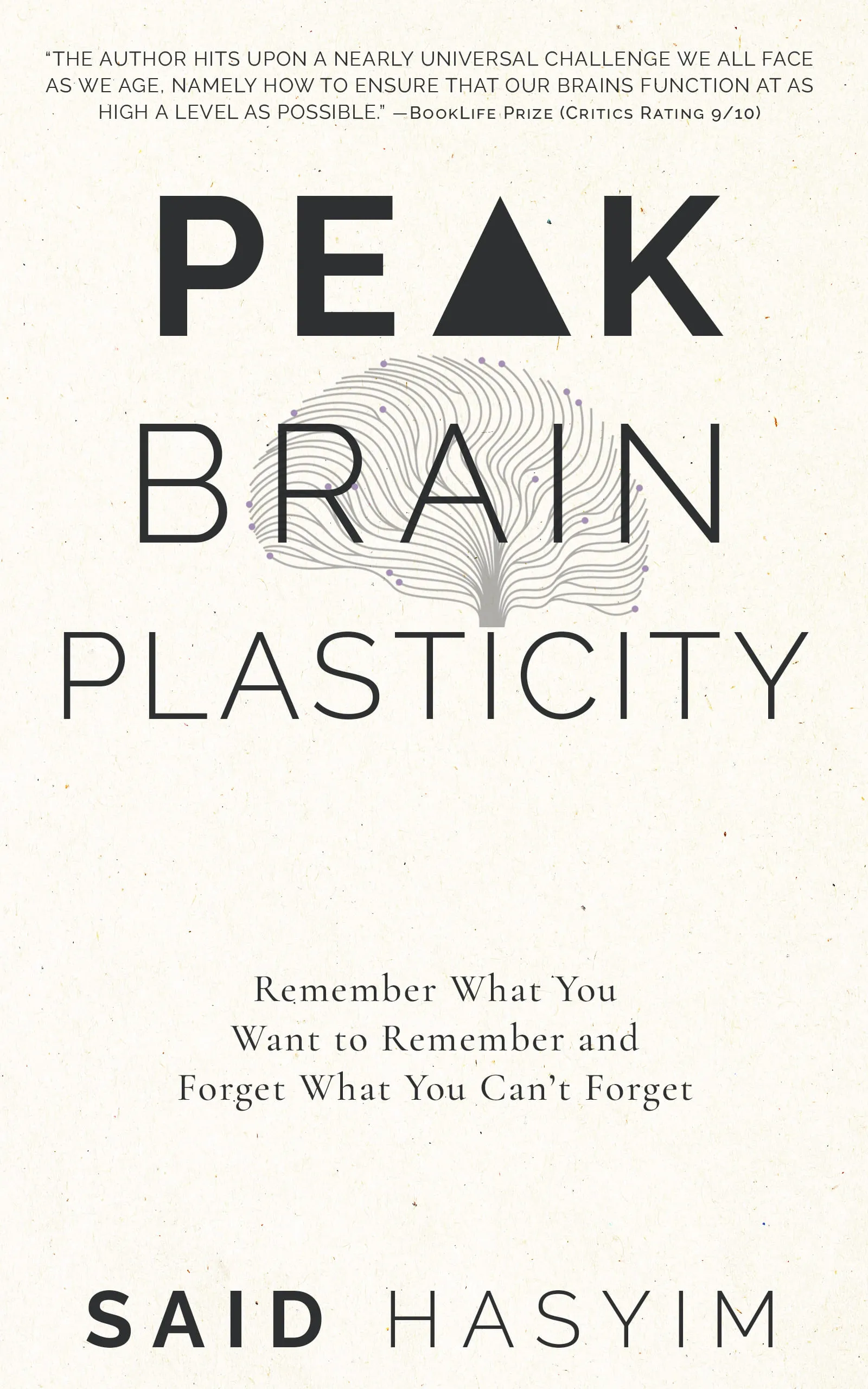
Harness the Power of Neuroplasticity
Discover Peak Brain Plasticity, a practical book to harnessing neuroplasticity. Enhance your memory, learn new languages quickly, and alleviate anxiety with effective study methods. Uncover daily habits that impact cognitive health and explore techniques for accelerated learning and memory retention. Unlock your brain's potential for growth and transformation.