Modern Science: Your Memory and Brain's Potential
In an age where technology is rapidly evolving, our understanding of the brain and memory has seen remarkable advancements. The study of neuroscience, cognitive psychology, and related disciplines has illuminated the intricacies of our mental faculties, revealing that our cognitive abilities, including memory, are far more dynamic and pliable than we once thought. This blog post explores the science of memory, the potential of your brain, and how both can be enhanced.
Understanding Memory
Memory is not a singular concept. It can be classified into several types, each serving a distinct purpose:
Short-term Memory: Also known as working memory, this type holds information temporarily for immediate processing and manipulation. For instance, remembering a phone number long enough to dial it is an example of using short-term memory.
Long-term Memory: This is where information is stored indefinitely. It can be further divided into:
- Explicit Memory: Memories that are consciously recalled, such as facts (semantic memory) and personal experiences (episodic memory).
- Implicit Memory: Unconscious memories that influence our behaviors, such as skills learned through practice (like riding a bike).
Sensory Memory: This brief retention of sensory information allows you to recall the taste of food or the color of an object just encountered.
Understanding these different types of memory is crucial, as they each play a unique role in how we learn, adapt, and interact with the world around us.
The Mechanisms of Memory Formation
Memory formation is a complex process with several stages:
Encoding: This is the initial process of receiving and processing information, which can be affected by factors such as attention. If we don’t pay attention to a piece of information, it is unlikely to be encoded effectively.
Storage: Once encoded, the information must be stored within the brain. This involves the creation of neural connections—synapses—that help consolidate the information for long-term retention. Strategies like repetition and the method of loci (memory palace) can enhance storage.
Retrieval: Memories are not static; they are dynamic and can change upon retrieval. This is why our memories may not always be accurate. Context and cues play essential roles in how effectively we can access stored information.
The brain's plasticity, or its ability to reorganize itself by forming new neural connections, is fundamental to memory. Neuroplasticity occurs throughout life, responding to learning, experience, and even changes in environment or health.
The Impact of Lifestyle on Brain Function
Just as an athlete must train their body to perform at peak levels, we must also cultivate habits that promote optimal brain health and functionality. Here are some key factors that can enhance memory and overall cognitive potential:
1. Nutrition
The brain is highly dependent on proper nutrition. Certain foods can enhance cognitive functioning:
- Omega-3 Fatty Acids: Found in fish, flaxseeds, and walnuts, these are essential for brain health and can promote the growth of new neurons.
- Antioxidants: Fruits and vegetables rich in antioxidants, like berries, beans, and dark chocolate, can protect brain cells from oxidative stress, which is linked to cognitive decline.
- Whole Grains: These provide a steady supply of glucose, the brain's primary energy source.
2. Physical Activity
Regular exercise is not just beneficial for physical health; it also promotes brain health. Physical activity increases blood flow to the brain, which can improve memory and cognitive functions. Activities like aerobic exercise have been shown to enhance the growth of new neurons and connections in the hippocampus, an area crucial for memory formation.
3. Sleep
Quality sleep is vital for memory consolidation. While we sleep, the brain processes and stores information from the day, solidifying it into long-term memory. Sleep deprivation can lead to significant deficits in memory and cognitive performance. Aim for 7-9 hours of restorative sleep each night.
4. Mindfulness and Stress Management
Chronic stress can hinder our memory capabilities by affecting the brain's structure and function. Techniques such as mindfulness meditation can reduce stress and improve attention and focus, which are essential for effective encoding and retrieval of memories.
5. Continuous Learning and Mental Challenges
Engaging in lifelong learning and challenging your brain with puzzles, games, or new skills can stimulate neuroplasticity. This constant engagement can enhance cognitive function and memory, making your brain more adept at processing and storing information.
The Future of Memory Enhancement
As our understanding of the brain and memory deepens, innovative strategies for enhancing memory are emerging. One area of interest is the use of technology and neuroenhancement tools:
Brain-Computer Interfaces (BCIs)
BCIs provide a direct communication pathway between the brain and external devices. These technologies are being explored not only for rehabilitation post-injury but also for enhancement purposes, potentially aiding in memory retrieval and cognitive performance.
Cognitive Training Apps
Many apps claim to improve memory and cognitive function through targeted exercises and games. Although the efficacy of such tools can vary, engaging in structured cognitive training can still be a valuable way to maintain and improve brain function.
Nootropics
The use of substances (both natural and synthetic) intended to enhance cognitive function is a growing field of research. These nootropics can potentially support memory and learning abilities, although their safety and effectiveness require further scrutiny.
Conclusion
The insights gained through modern science have revealed that the brain and memory capabilities are not predetermined; rather, they are influenced by a wide array of factors, including lifestyle choices and learning experiences. By understanding the workings of our memory and how to enhance it, we can unlock the full potential of our brains. With a commitment to nurturing our cognitive health, we can strive not just to remember more but to lead more enriched and fulfilling lives. Whether through proper nutrition, exercise, mindfulness, or cognitive challenges, the journey to harnessing the power of our memory continues to be a fascinating frontier in the field of modern science.
Embrace the journey of discovery, and uncover the vast potential that resides in your mind.
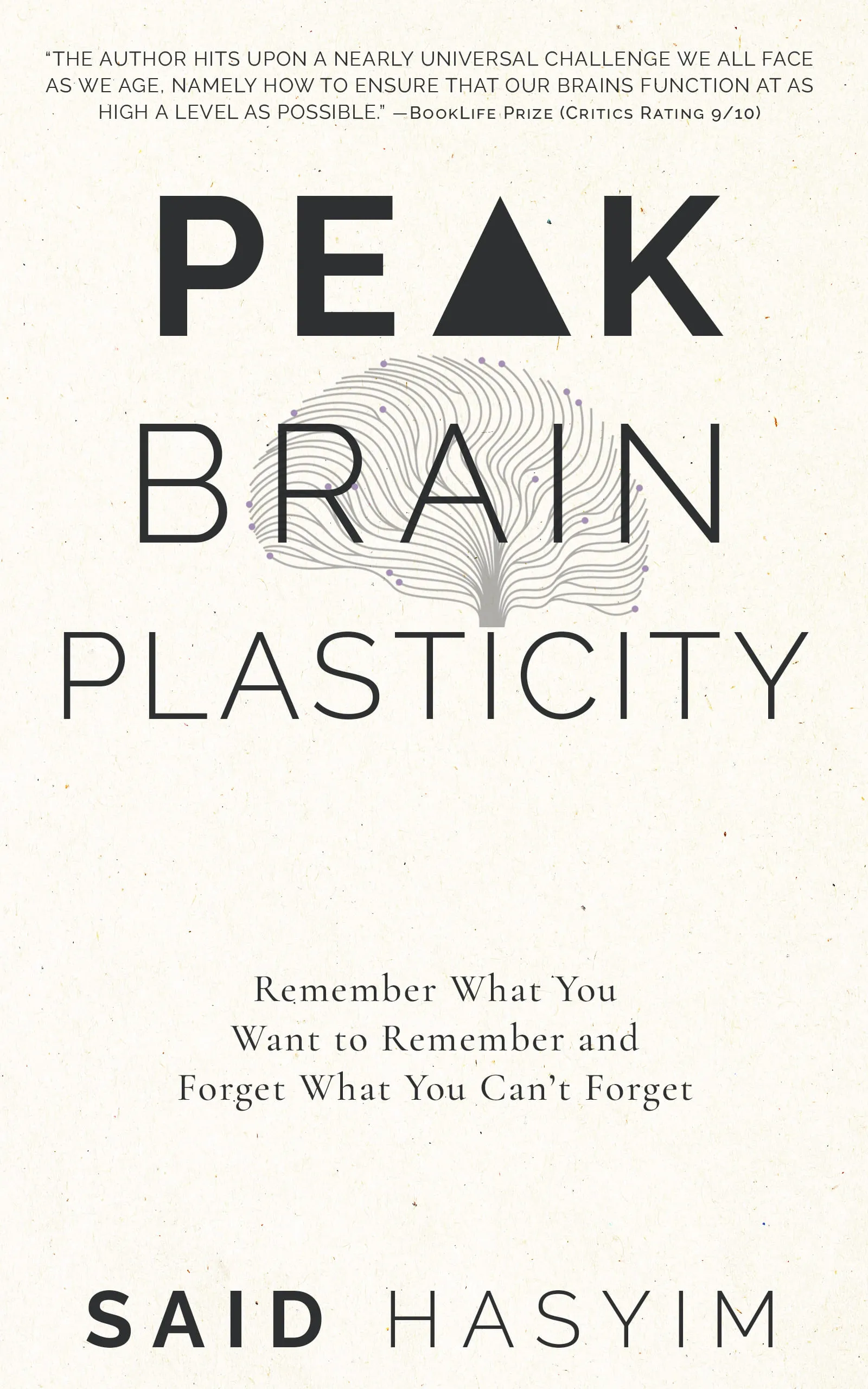
Harness the Power of Neuroplasticity
Discover Peak Brain Plasticity, a practical book to harnessing neuroplasticity. Enhance your memory, learn new languages quickly, and alleviate anxiety with effective study methods. Uncover daily habits that impact cognitive health and explore techniques for accelerated learning and memory retention. Unlock your brain's potential for growth and transformation.