Mind Over Matter: Tapping into Brain Plasticity
The human brain is a remarkable organ, renowned for its complexity and adaptability. At the core of this adaptability lies the concept of brain plasticity, also known as neuroplasticity. This intriguing phenomenon illustrates the brain's ability to reorganize itself by forming new neural connections throughout life, enabling us to learn, adapt, and recover from injuries. In this blog post, we will delve into the intricacies of brain plasticity, explore its implications for our daily lives, and discuss practical ways to harness this powerful capacity of the mind.
Understanding Brain Plasticity
Brain plasticity is the brain's innate capability to change and adapt in response to external stimuli and experiences. It occurs at various levels, from cellular changes (known as synaptic plasticity) to large-scale alterations in brain structure and function. These changes can happen as a result of learning new skills, recovering from injuries, or adapting to new environments.
There are two primary types of neuroplasticity:
Structural Plasticity: This refers to the brain's ability to physically change its structure in response to learning and experience. For example, when we learn a new language, the areas of the brain responsible for linguistic processing may grow in size and complexity.
Functional Plasticity: This is the brain's ability to shift functions from damaged areas to healthy areas. For instance, following a stroke, individuals may regain lost skills as unaffected parts of the brain take over the functions of the damaged regions.
The Science Behind Plasticity
The remarkable flexibility of the brain is influenced by various factors:
Experience and Learning: The brain continually rewires its pathways based on experiences. For instance, musicians often show greater gray matter volume in regions associated with auditory processing.
Age: While neuroplasticity exists throughout life, it is generally more pronounced in children due to the higher levels of inherent brain growth and development. However, research shows that adults can also experience significant changes through intentional learning and practice.
Environment: Enriched environments that offer stimuli for the senses and cognitive challenges can enhance neuroplasticity. Social interactions, novel experiences, and physical activity are all known to promote brain health.
Recovery from Injury: After brain injuries, patients may undergo rehabilitation processes that leverage neuroplasticity to regain lost skills and functions.
The Power of Mindset
A growing body of research suggests that our mindset can significantly influence our brain's plasticity. The concept of a "growth mindset," introduced by psychologist Carol Dweck, posits that individuals who believe they can develop their abilities through effort and learning are more likely to embrace challenges and persist in the face of setbacks.
The implications of this are profound. By cultivating a growth mindset, we not only improve our capacity to learn new skills but also enhance our brain's adaptability. A positive mindset can lead to healthier behaviors, increased resilience, and improved cognitive function.
Harnessing Brain Plasticity in Daily Life
While the mechanisms of neuroplasticity are primarily biological, there are actionable steps we can take to harness its power in our daily lives:
1. Engage in Lifelong Learning
Commit to continually expanding your knowledge and skills. Take up new hobbies, explore unfamiliar subjects, or learn a new language. Each of these activities stimulates new neural connections and promotes structural plasticity.
2. Embrace Challenges
Stepping outside your comfort zone is essential for brain growth. Challenge yourself with puzzles, problem-solving tasks, or physical activities. The more you engage with difficult tasks, the more you stimulate neuroplasticity.
3. Practice Mindfulness and Meditation
Research indicates that mindfulness practices and meditation can facilitate positive structural changes in the brain. These practices help to improve attention, reduce stress, and enhance emotional regulation, fostering a more adaptable brain.
4. Maintain a Healthy Lifestyle
Physical health significantly impacts brain plasticity. Regular exercise increases blood flow to the brain, promotes the growth of new neurons, and enhances overall cognitive function. Additionally, a balanced diet rich in omega-3 fatty acids, antioxidants, and vitamins supports brain health.
5. Foster Social Connections
Social interactions are crucial for cognitive resilience. Engaging in meaningful conversations, building relationships, and participating in community activities can help stimulate your brain and enhance its plasticity.
6. Prioritize Sleep
Quality sleep is vital for cognitive function and brain health. During sleep, the brain consolidates memories and clears toxins that accumulate throughout the day. Establish a regular sleep routine to support neuroplasticity.
7. Set Goals and Reflect
Setting specific, achievable goals can guide your learning process and motivate you to keep pushing forward. Reflecting on your progress helps reinforce neural pathways and strengthens connections related to your achievements.
Conclusion
The power of brain plasticity invites us to see our cognitive abilities and potential for growth in a new light. By understanding and embracing neuroplasticity, we can cultivate a mindset that is open to learning, adaptation, and resilience.
Mind over matter isn't just a motivational phrase; it embodies the very essence of how we can influence our brain's structure and function through intention and effort. Whether you're looking to recover from an injury, enhance your cognitive abilities, or simply embrace new experiences, the capacity for change is always within reach. With mindfulness, determination, and passion for lifelong learning, each of us can tap into this extraordinary capability of our brains and lead more fulfilling lives.
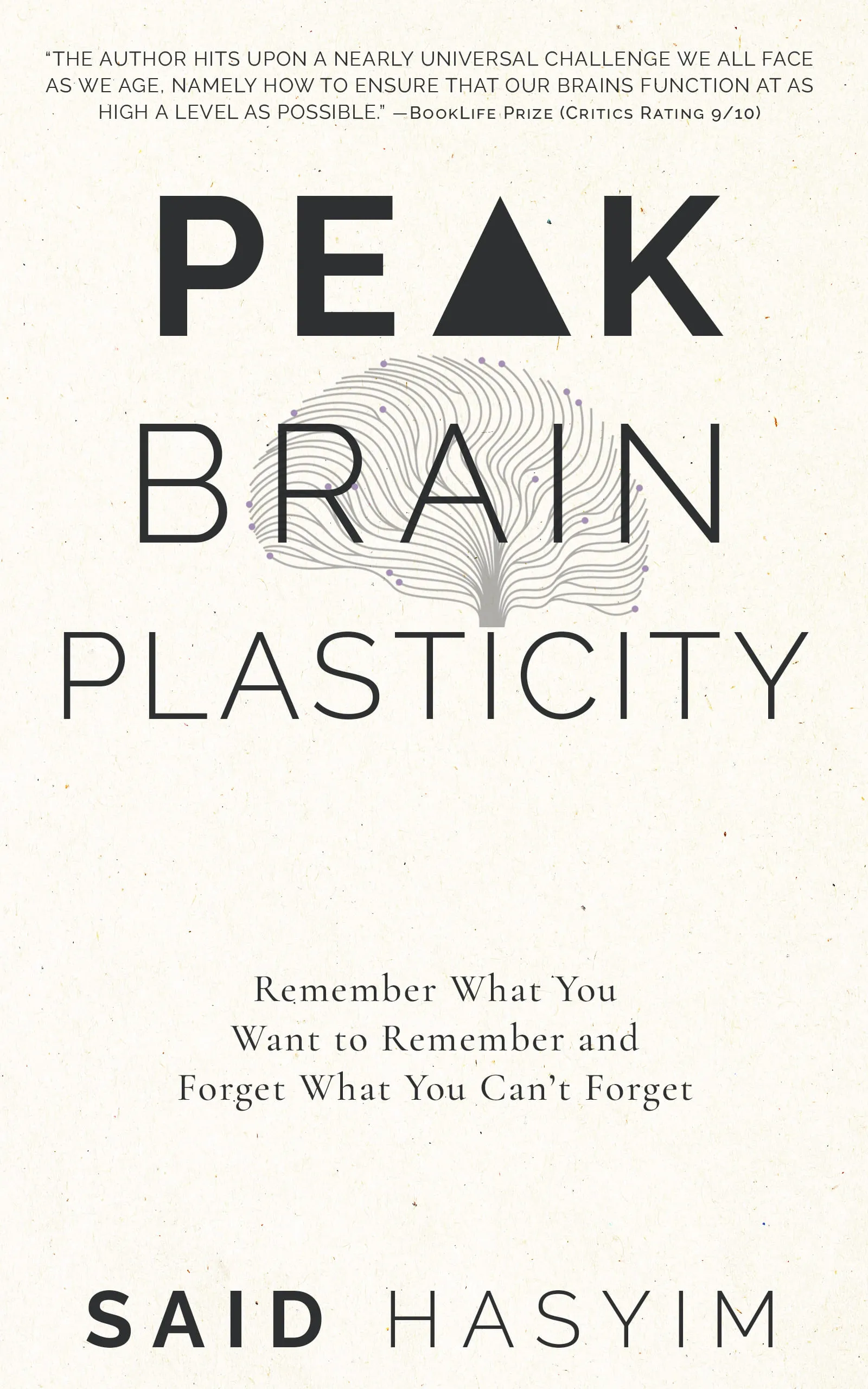
Harness the Power of Neuroplasticity
Discover Peak Brain Plasticity, a practical book to harnessing neuroplasticity. Enhance your memory, learn new languages quickly, and alleviate anxiety with effective study methods. Uncover daily habits that impact cognitive health and explore techniques for accelerated learning and memory retention. Unlock your brain's potential for growth and transformation.