Memory Unlocked: Discovering Brain Plasticity
Introduction
The human brain is an incredibly complex and dynamic organ, responsible for our thoughts, emotions, memories, and actions. For decades, scientists and researchers believed that the brain's structure was largely fixed after a certain age, limited by a certain plasticity that slowly wanes as we grow older. However, a paradigm shift in neuroscience has revealed a fascinating truth: the brain is much more adaptable than we previously understood. This blog post delves into the concept of brain plasticity, its implications for memory, learning, and overall cognitive health.
What is Brain Plasticity?
Brain plasticity, or neuroplasticity, refers to the brain's ability to reorganize itself by forming new neural connections throughout life. This remarkable capability enables the brain to adapt in response to learning, experience, and even injury. Neuroplasticity can occur at various scales, from the cellular level—where individual neurons can change their connections—to larger networks involving different regions of the brain.
Types of Brain Plasticity
Neuroplasticity is often categorized into two main types:
Functional Plasticity: This refers to the brain's ability to transfer functions from damaged areas to undamaged areas. For example, if one part of the brain is injured, another part may take over its functions.
Structural Plasticity: This involves changes in the actual structure of the brain. As we learn new things, the brain's physical structure can change in ways that enhance or inhibit mental performance.
How Does Brain Plasticity Affect Memory?
Memory is intrinsically linked to neuroplasticity. Every time we learn something new or practice a skill, our brain undergoes structural changes. Here's how it works:
Synaptic Plasticity: This is the process through which synapses—the connections between neurons—strengthen or weaken over time. Key processes like long-term potentiation (LTP) and long-term depression (LTD) facilitate learning and memory. LTP enhances the strength of synapses based on recent patterns of activity, whereas LTD diminishes synaptic strength through less-used pathways.
Neurogenesis: The birth of new neurons, particularly in the hippocampus (a brain region vital for memory formation), plays a crucial role in memory and learning. Research has shown that engaging in activities such as exercise, learning new skills, and social interactions can promote neurogenesis.
Experience and Environment: The brain’s adaptability extends beyond individual neurons and synapses. Engaging with a stimulating environment—characterized by social interactions, cognitive challenges, and even novelty—can enhance brain plasticity. This phenomenon underscores the importance of lifelong learning and experiences in promoting cognitive health.
The Role of Age in Neuroplasticity
While neuroplasticity is often associated with youth, it is a lifelong process. Although the extent of plasticity may diminish with age, older adults can still forge new neural connections and improve cognitive function. A wealth of research has shown that engaging in mentally stimulating activities, regular physical exercise, and maintaining social connections can enhance brain plasticity in older adults.
Lifelong Learning
The concept of lifelong learning complements the understanding of neuroplasticity. Engaging in new hobbies, mastering a musical instrument, learning a new language, or even pursuing academic education can serve as catalysts for brain growth. Lifelong learning not only helps in creating new neural pathways but can also delay cognitive decline associated with aging.
The Therapeutic Potential of Neuroplasticity
Understanding the mechanisms of brain plasticity has profound implications for therapeutic interventions aimed at various neurological and psychological conditions. Disorders such as stroke, traumatic brain injuries, and neurodegenerative diseases like Alzheimer's can benefit greatly from approaches that harness brain plasticity. Here are a few examples:
Rehabilitation Therapies: After a brain injury or stroke, rehabilitation programs that encourage repetitive tasks can help rewire the brain to regain lost functions. Techniques such as constraint-induced movement therapy and mirror therapy have shown promise in helping patients recover motor functions.
Cognitive Behavioral Therapy (CBT): CBT leverages neuroplasticity principles to help individuals change maladaptive thought patterns. By encouraging clients to engage in new thinking patterns, the therapy creates positive changes in brain structure and function.
Mindfulness and Meditation: Practices that cultivate mindfulness and meditation have been shown to enhance neuroplasticity. These practices can improve attention, emotional regulation, and stress resilience, ultimately reshaping our neural pathways in beneficial ways.
Conclusion
The discovery of brain plasticity is revolutionizing our understanding of the mind and memory. It highlights the incredible adaptability of the brain throughout life and underscores the potential for growth and change at any age. By embracing lifelong learning, engaging in physically and cognitively stimulating activities, and actively pursuing therapeutic interventions when needed, we can harness the power of neuroplasticity to enhance our cognitive health, improve memory, and unlock the full potential of our brains.
As we continue to explore and unravel the complexities of brain plasticity, we move closer to not only understanding the capabilities of our minds but also devising effective strategies to maximize those capabilities. So, embark on a journey of discovery—challenge yourself, learn something new, and remember: your brain has the incredible ability to adapt, grow, and flourish.
This exploration serves as a reminder that our cognitive landscape is ever-evolving, offering opportunities for growth and transformation at every stage of life. Whether you are a student navigating the rigors of academia, a professional seeking to enhance your skills, or an older adult aiming to maintain cognitive vitality, the principles of neuroplasticity provide a beacon of hope and motivation. Embrace your journey of learning and development—your brain is ready to unlock its full potential!
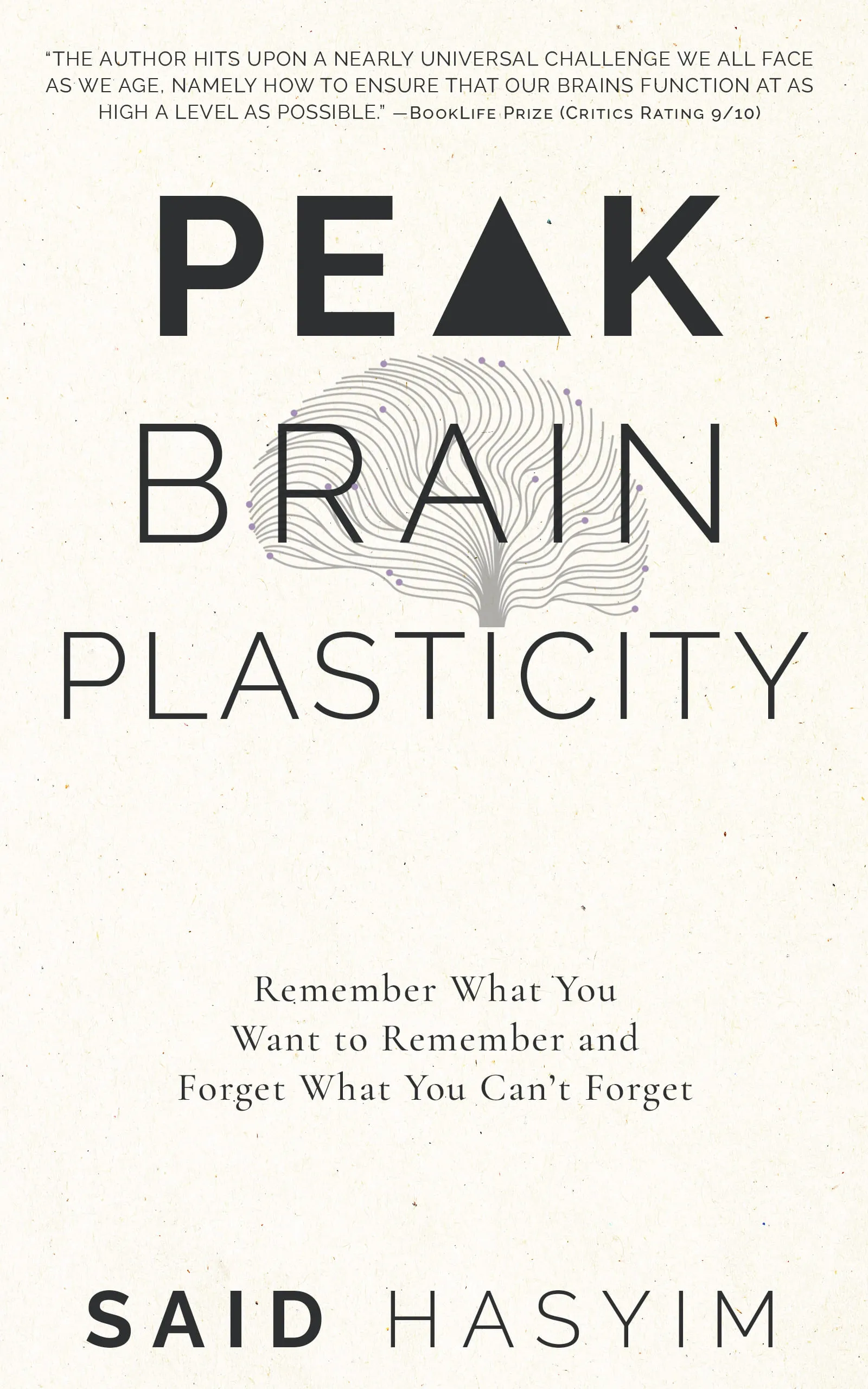
Harness the Power of Neuroplasticity
Discover Peak Brain Plasticity, a practical book to harnessing neuroplasticity. Enhance your memory, learn new languages quickly, and alleviate anxiety with effective study methods. Uncover daily habits that impact cognitive health and explore techniques for accelerated learning and memory retention. Unlock your brain's potential for growth and transformation.