Memory Techniques for Peak Brain Optimization
In an age where information flows at an unprecedented rate, the ability to retain and recall information efficiently has never been more important. Whether you’re a student, a professional, or simply someone looking to enhance their cognitive capabilities, mastering memory techniques can significantly boost your brain's performance. In this blog post, we will explore a variety of memory techniques designed for peak brain optimization, helping you learn faster, recall more, and ultimately, thrive in your personal and professional life.
Understanding Memory
Before we dive into the techniques, it's important to understand how memory works. Memory is generally divided into three types:
- Sensory Memory: The brief retention of sensory information (like sight and sound).
- Short-term Memory: Also known as working memory, this refers to information we actively hold and manipulate, usually lasting for seconds to minutes.
- Long-term Memory: This encompasses information transferred from short-term memory, allowing us to retain it for days, months, or even years.
The Importance of Memory Techniques
Using memory techniques allows us to optimize how we encode, store, and retrieve information. These techniques can enhance our cognitive functions, providing tools to help with everything from rote memorization to complex problem-solving.
Here are some effective memory techniques that can aid in optimizing your brain's performance:
1. The Method of Loci
Also known as the memory palace technique, this method involves visualizing a familiar space, like your home, and placing items or information you want to remember at specific locations within that space. When you need to recall the information, you simply "walk" through your memory palace.
How to Use It:
- Choose a familiar location.
- Visualize the space and identify key areas.
- Associate each piece of information with a location in your memory palace.
- When you need to recall the information, mentally walk through the space, retrieving items as you go.
2. Chunking
Chunking involves breaking down large pieces of information into smaller, more manageable units. This method is especially useful for memorizing numbers, lists, or concepts.
How to Use It:
- Identify the information you want to memorize (e.g., a lengthy string of numbers).
- Group pieces of information into chunks (e.g., break a phone number into three groups).
- Practice recalling both the individual chunks and the whole.
3. The Feynman Technique
Named after physicist Richard Feynman, this technique is about teaching a concept you want to understand. By explaining the idea in simple terms, you reinforce your understanding and reveal any gaps in your knowledge.
How to Use It:
- Choose a concept and write it down at the top of a piece of paper.
- Explain it as if you’re teaching it to a child, using simple language.
- Identify areas where your understanding is weak and study them further.
- Simplify and clarify your explanation until you can convey the concept clearly.
4. Visual Imagery
Creating vivid mental images can enhance memory retention. Research shows that people often remember images better than words, which makes this technique particularly powerful.
How to Use It:
- Convert abstract information into concrete images.
- Use exaggerated, colorful, and unique images to enhance memory.
- Associate images with what you want to remember; for example, if you need to remember “apple,” imagine a gigantic, sparkling red apple.
5. Spaced Repetition
This technique leverages the spacing effect, where learning is spread out over time, enhancing retention. Review material at increasing intervals, which helps move information from short-term to long-term memory.
How to Use It:
- Identify what you need to learn and break it down into small, manageable segments.
- Schedule regular review sessions at increasing intervals (e.g., one day later, three days later, one week later).
- Use flashcards or spaced repetition software to facilitate your review process.
6. Mnemonic Devices
Mnemonics are memory aids that help encode information through associations. They can be acronyms, rhymes, or phrases designed to make recalling information easier.
How to Use It:
- Create acronyms from the first letters of items you want to remember (e.g., ROYGBIV for the colors of the rainbow).
- Form rhymes or songs to help remember lists or sequences.
- Use phrases that associate the information with something familiar to you.
7. Mind Mapping
Mind mapping is a visual representation of information that illustrates relationships between ideas. This technique helps organize and categorize information for better retention.
How to Use It:
- Start with a central idea and write it in the center of a page.
- Branch out with related concepts, using lines to connect them.
- Use colors, images, and symbols to enhance the visual appeal and meaning of your map.
8. Practice Retrieval
Regularly testing yourself on what you've learned can strengthen memory and boost retention. This technique emphasizes the importance of retrieval as opposed to just passive review of materials.
How to Use It:
- Quiz yourself on the material you’ve studied.
- Use practice tests or flashcards to reinforce what you’ve learned.
- Engage in discussions with peers to articulate your knowledge actively.
Conclusion
Optimizing your brain for peak performance involves understanding and applying effective memory techniques. By utilizing strategies like the method of loci, chunking, the Feynman technique, visual imagery, spaced repetition, mnemonic devices, mind mapping, and practice retrieval, you can enhance your memory, accelerate your learning, and improve your overall cognitive function.
As you experiment with these techniques, remember that the key to effective memory lies in consistency and practice. Tailor your approach based on your personal learning style and the types of information you often need to recall. With dedication and mindful application, you can unlock your brain's full potential and navigate a world filled with information with ease and confidence.
Happy learning!
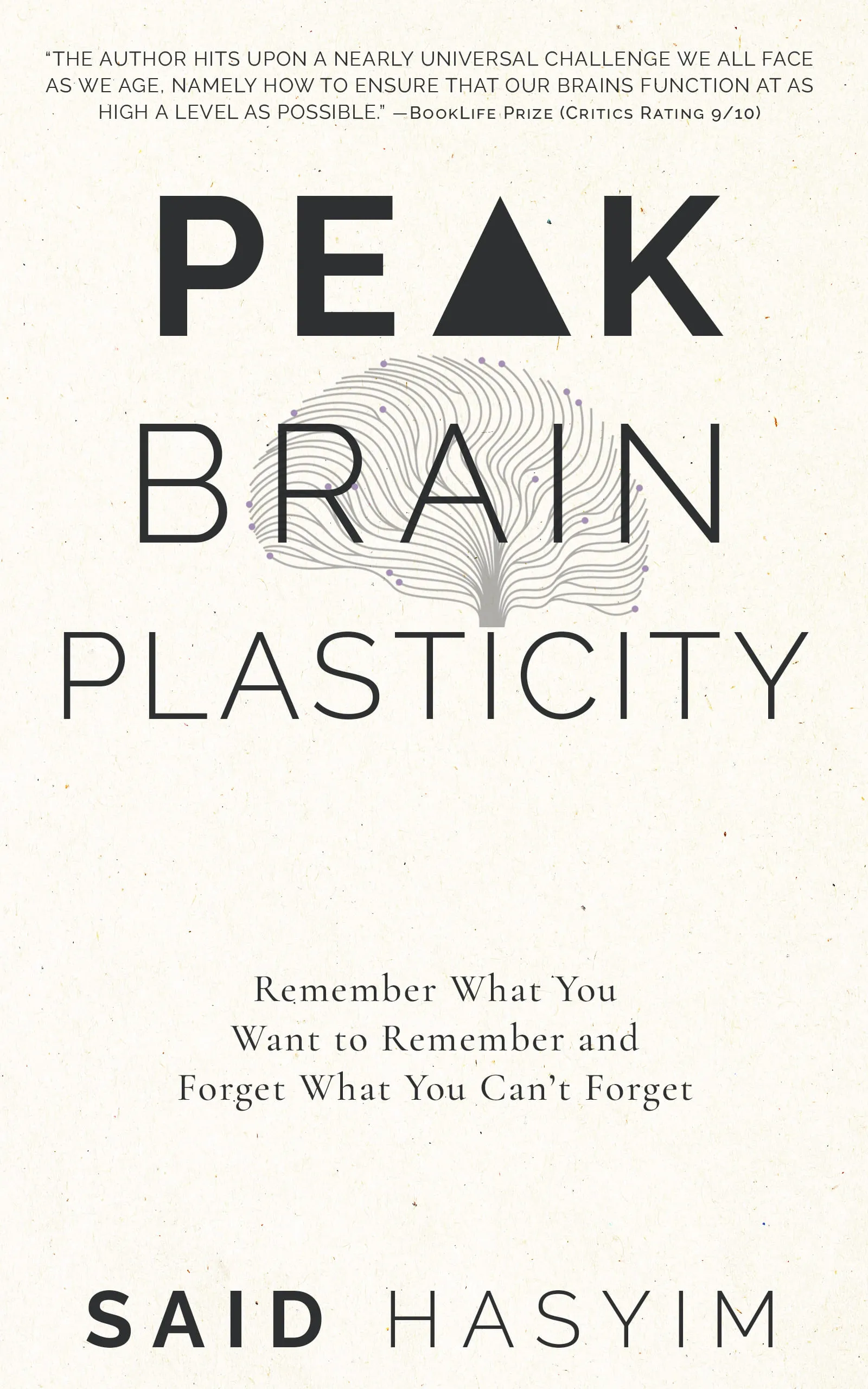
Harness the Power of Neuroplasticity
Discover Peak Brain Plasticity, a practical book to harnessing neuroplasticity. Enhance your memory, learn new languages quickly, and alleviate anxiety with effective study methods. Uncover daily habits that impact cognitive health and explore techniques for accelerated learning and memory retention. Unlock your brain's potential for growth and transformation.