Memory Practices: Daily Habits for Better Recall
In our fast-paced world filled with an overwhelming amount of information, maintaining a sharp memory is essential. Whether you're a student, a professional, or someone looking to keep their mind agile as they age, developing effective memory practices can enhance your cognitive function and improve your overall quality of life. In this blog post, we'll explore daily habits that can help you boost your recall abilities.
Understanding Memory
Before diving into specific practices, it’s important to understand how memory works. Memory is the process by which we encode, store, and retrieve information. It can be categorized into three main types:
- Sensory Memory: This is the initial stage of memory where information from our senses is briefly held.
- Short-Term Memory: Also known as working memory, this is where information is actively processed and is often limited in capacity.
- Long-Term Memory: This is where information is stored for extended periods, allowing us to recall events, facts, skills, and experiences.
To enhance recall, the goal is to improve the encoding process and foster healthier memory habits.
Daily Habits for Better Recall
1. Mindful Meditation
Meditation has gained popularity for its multitude of benefits, including stress reduction and improved focus. By practicing mindfulness, you can enhance your ability to concentrate, which is essential for memory formation.
How to practice: Start with just five minutes a day, focusing on your breath. Gradually increase the time as you become more comfortable with the practice. Apps and guided meditations can also be helpful for beginners.
2. Regular Physical Exercise
Physical activity is not only vital for maintaining a healthy body but also for a healthy mind. Research has shown that exercising increases blood flow to the brain, encouraging the growth of new neurons and enhancing memory.
How to incorporate: Aim for at least 150 minutes of moderate aerobic activity per week. This can include walking, jogging, cycling, or swimming. Strength training is also beneficial, so consider including resistance exercises in your routine.
3. Balanced Nutrition
What you eat directly affects brain function. A balanced diet rich in antioxidants, healthy fats, vitamins, and minerals can nourish the brain and support better cognitive function.
Foods to include:
- Leafy greens (spinach, kale)
- Berries (blueberries, strawberries)
- Fatty fish (salmon, sardines)
- Nuts and seeds
- Whole grains
4. Sleep Hygiene
Sleep plays a critical role in memory consolidation, the process by which short-term memories are transformed into long-term ones. Lack of sleep can severely impair your ability to remember information.
Tips for better sleep:
- Stick to a regular sleep schedule.
- Create a calming bedtime routine.
- Ensure your sleeping environment is conducive to rest (dark, quiet, and cool).
5. Brain Exercises
Just like physical exercise strengthens your body, mental exercises can sharpen your mind. Engaging in activities that challenge your brain can improve your cognitive abilities and enhance memory.
Activities to try:
- Puzzles (crosswords, Sudoku)
- Memory games (matching cards, memorization tasks)
- Learning a new language or musical instrument
6. Journaling
Writing things down can significantly enhance memory retention. By putting thoughts into words, you encode information more effectively and are more likely to remember it later.
How to journal: Keep a daily or weekly journal. Write about your experiences, thoughts, or anything you want to reflect upon. This practice not only aids memory but can also be therapeutic.
7. Visualization Techniques
Visualization is a powerful memory technique that involves creating mental images to remember information. By associating concepts with vivid mental pictures, you can enhance recall.
How to use visualization: When trying to remember something, create a strong visual association. For example, if you need to remember a person's name, visualize that person in a unique context that connects to their name.
8. Spaced Repetition
This learning technique involves reviewing information at spaced intervals over time. Instead of cramming all at once, spacing your study sessions can significantly aid long-term retention.
How to implement spaced repetition:
- Review notes from class the next day, then one week later, and then a month later.
- Use flashcards for essential facts or vocabulary, revising them at increasing intervals.
9. Social Interaction
Engaging in conversations and social interactions can be incredibly beneficial for memory. Socializing stimulates your mind, and discussing ideas helps reinforce your memory of the topic.
Ways to socialize: Join clubs or groups that interest you, participate in community events, or simply make it a point to connect with friends and family regularly.
10. Reduce Multitasking
In a world filled with distractions, multitasking can undermine our ability to recall information. When you switch your attention between tasks, you're more likely to forget details.
Tips to minimize multitasking:
- Focus on one task at a time.
- Set specific times for checking emails or social media so that they don’t interrupt your workflow.
- Establish a designated workspace that is free from distractions.
Conclusion
Incorporating these daily habits into your lifestyle can significantly improve your memory and overall cognitive function. Remember that developing better recall takes time and consistency. By gradually integrating these practices into your routine, you can create an environment that supports memory enhancement and helps you lead a more mentally agile and fulfilling life.
Make a commitment to prioritize your cognitive health today; after all, a sharper memory is just a habit away!
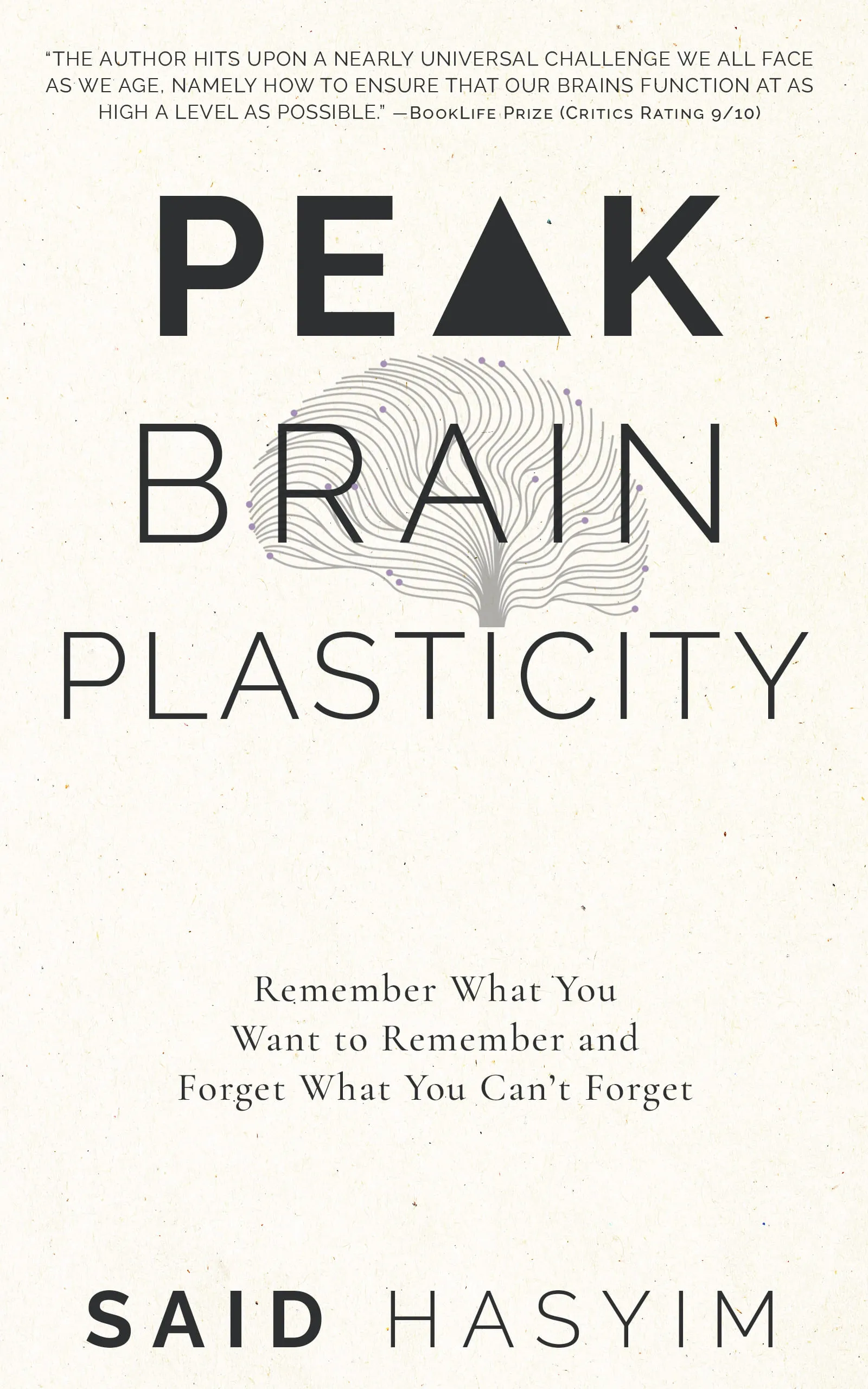
Harness the Power of Neuroplasticity
Discover Peak Brain Plasticity, a practical book to harnessing neuroplasticity. Enhance your memory, learn new languages quickly, and alleviate anxiety with effective study methods. Uncover daily habits that impact cognitive health and explore techniques for accelerated learning and memory retention. Unlock your brain's potential for growth and transformation.