Memory Patterns and Practices: What to Explore
Memory is one of humanity’s most fascinating and complex cognitive functions. It not only serves to store information but also shapes our identity and experiences. As we dive deeper into the realm of memory, we come across various patterns and practices that can enhance our memory skills, improve learning processes, and even foster better emotional well-being. This blog post explores the intricacies of memory patterns and practices you might consider exploring to maximize your cognitive potential.
Understanding Memory
Before diving into memory patterns and practices, it's essential to understand what memory is and how it functions. Memory can be broadly categorized into three types:
Sensory Memory: This is the initial stage where sensory information is retained briefly. Think of it as a snapshot of what you see and hear around you.
Short-Term Memory: Often referred to as working memory, this system allows us to hold a limited amount of information temporarily. It’s vital for tasks such as problem-solving and reasoning.
Long-Term Memory: This is where information is stored for longer periods, some of which can last a lifetime. Long-term memory can further be divided into declarative (explicit) and non-declarative (implicit) memory.
Memory Process: Encoding, Storage, and Retrieval
The memory process involves three critical stages:
Encoding: This is the transformation of sensory input into a format that can be stored in the brain. Effective encoding is essential for the retention of information.
Storage: This refers to maintaining the information over time. Memory capacity can vary, but techniques such as spaced repetition can enhance the storage phase.
Retrieval: The process of recalling stored information. Retrieval cues, like context or hints, play a crucial role in this stage.
Patterns in Memory
Patterns in memory refer to the ways we can organize and relate information to enhance recall. Here are some memory patterns worth exploring:
1. Chunking
Chunking is a method of grouping individual pieces of information into larger units, making them easier to remember. For example, the sequence of numbers 1, 2, 3, 4, 5, 6, 7, 8 can be chunked into two groups: 123 and 45678. This method utilizes our brain's natural tendency to find patterns, thereby improving memory efficiency.
2. Mind Mapping
Mind mapping is a technique that visually organizes information. By creating a diagram that connects related concepts, you can better visualize relationships, leading to improved understanding and recall. This approach leverages spatial memory, which can be more intuitive than purely linear lists.
3. Mnemonic Devices
Mnemonics are memory aids that help you recall larger pieces of information through acronyms, rhymes, or phrases. For instance, "Every Good Boy Deserves Fun" is a popular mnemonic for remembering the notes on the lines of the treble clef in music.
4. Storytelling
We are naturally drawn to stories, and using narrative structures to retain information can significantly enhance recall. By embedding facts or concepts within a story, we create associations that make information more relatable and memorable.
5. The Method of Loci
Also known as the memory palace technique, this ancient practice involves associating information with specific locations in a familiar place, like your home. By mentally walking through this location, you can retrieve the associated information more easily.
Practices to Enhance Memory
In addition to understanding memory patterns, incorporating specific practices into your routine can enhance your overall memory capability.
1. Regular Physical Exercise
Engaging in regular physical exercise has been shown to improve cognitive function, including memory. It increases blood flow to the brain and promotes the growth of new brain cells, enhancing overall brain health.
2. Mindfulness and Meditation
Mindfulness practices, including meditation, have been linked to improved memory function. These practices foster greater focus and awareness, helping to sharpen your ability to encode and retrieve information.
3. Sleep Hygiene
Adequate sleep is crucial for memory consolidation. During sleep, the brain processes and stores new information. Ensuring you have a consistent sleep schedule and a restful sleep environment can significantly impact your memory retention.
4. Balanced Nutrition
What we eat can have a profound effect on our brain health. Diets rich in antioxidants, healthy fats, and vitamins are essential for optimal cognitive function. Foods such as fatty fish, blueberries, and green leafy vegetables can contribute to better memory.
5. Lifelong Learning
Continuing to learn new skills or information keeps your brain engaged and can foster new neural connections. Consider taking up new hobbies, attending workshops, or engaging in discussions that challenge your thinking.
Conclusion
Exploring memory patterns and practices opens a world of possibilities for enhancing cognitive abilities and improving the way we learn and remember. By adopting various strategies—like chunking, storytelling, and using mnemonic devices—combined with healthy lifestyle choices like exercise, mindfulness, and proper nutrition, we can significantly boost our memory.
As you embark on this journey of exploration, remember that everyone’s memory is unique. Experiment with these patterns and practices to discover what works best for you. A mindful approach to memory can enrich not only your learning journey but also your overall life experiences. Happy remembering!
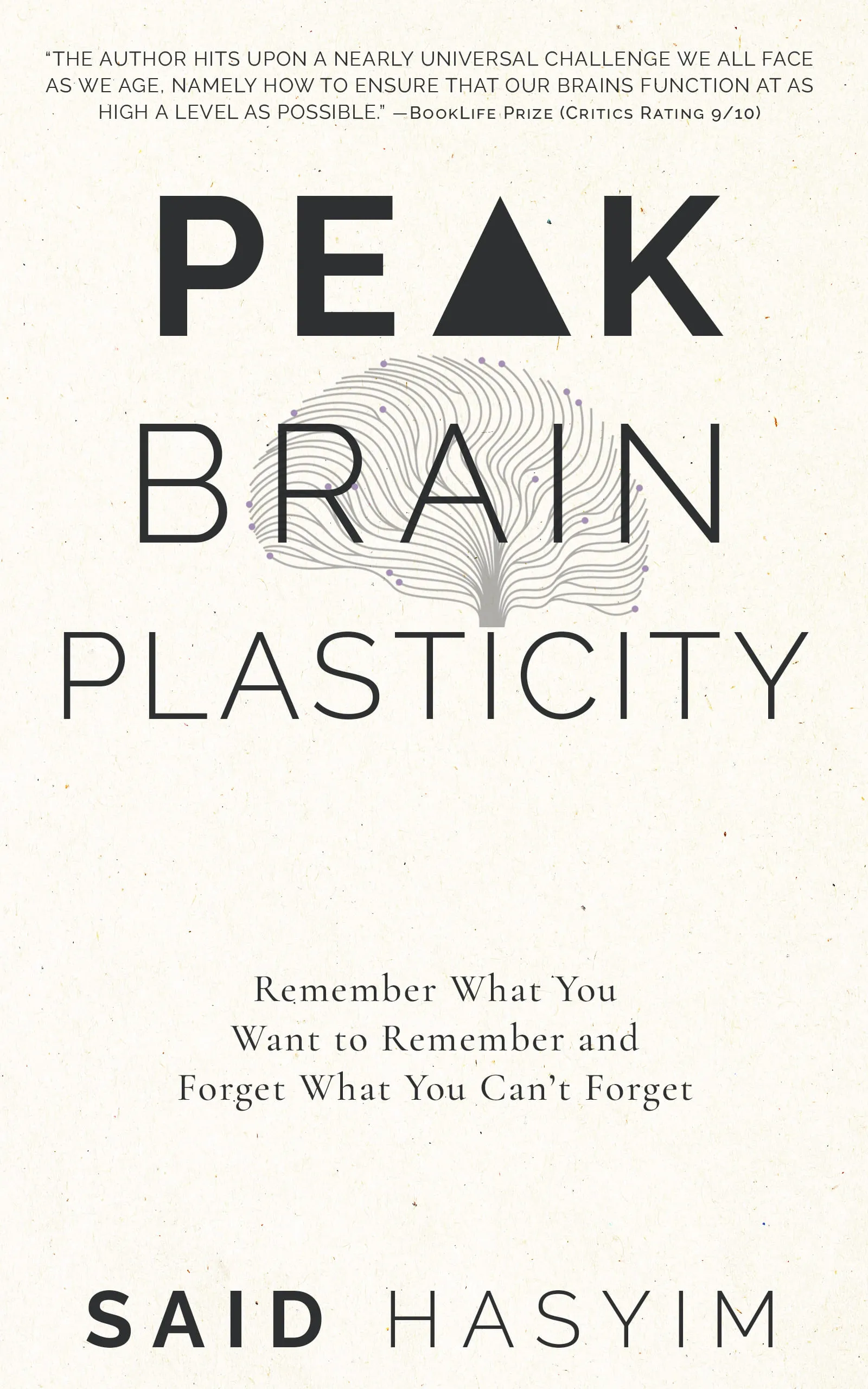
Harness the Power of Neuroplasticity
Discover Peak Brain Plasticity, a practical book to harnessing neuroplasticity. Enhance your memory, learn new languages quickly, and alleviate anxiety with effective study methods. Uncover daily habits that impact cognitive health and explore techniques for accelerated learning and memory retention. Unlock your brain's potential for growth and transformation.