Memory Hacks: Forget What Holds You Back
In the fast-paced world we live in today, our minds are bombarded with so much information that it's easy to feel overwhelmed. Memories that once served us well can transform into burdens, preventing us from reaching our full potential. However, by utilizing memory hacks, we can learn to forget the things that hold us back and embrace a more liberated, productive mindset. In this blog post, we will explore techniques that can help you effectively manage your memories, reinterpret your past experiences, and ultimately enhance your emotional well-being.
Understanding Memory: A Double-Edged Sword
At its core, memory is a fundamental human function that allows us to learn, adapt, and grow. However, not all memories serve a positive purpose. Traumatic experiences, negative thoughts, and regrets can fester in our minds, creating a mental block that prevents us from moving forward. In many cases, these memories can lead to anxiety, stress, or feelings of inadequacy.
The Burden of Negative Memories
Negative memories, such as failures or heartbreak, can color our perception of the world and ourselves. For example, a past rejection might make you hesitant to pursue new relationships, while a professional setback could stifle your ambition. Recognizing the weight of these memories is the first step toward liberation. The good news is that we have the ability to rewire our thinking and create a more empowering narrative.
Memory Hacks: Techniques to Forget What Holds You Back
1. Reframe Your Memories
One effective way to deal with negative memories is to reframe them. Instead of viewing a failure as an end, consider it a valuable lesson. Ask yourself questions like:
- What did I learn from this experience?
- How has this failure contributed to my growth?
- What would I tell a friend if they were in my situation?
By shifting your perspective, you can turn painful memories into stepping stones for personal growth.
2. Practice Mindfulness and Meditation
Mindfulness is a powerful tool for managing memory and reducing stress. By focusing on the present moment, you can create distance from negative thoughts. Here’s how to incorporate mindfulness into your routine:
- Breathe deep: Take a few moments each day to practice deep breathing. Inhale slowly through your nose, hold for a few moments, and exhale through your mouth.
- Observe your thoughts: During your meditation, acknowledge any negative memories that come to mind. Instead of resisting them, observe them without judgment, allowing them to pass like clouds in the sky.
- Focus on your senses: Engage your senses by paying attention to your surroundings. What do you hear, see, smell, or feel? This can help ground you in the present.
3. Journal Your Thoughts
Writing can be an incredibly therapeutic way to process your emotions and memories. Start a journal where you can freely express yourself. Consider the following prompts:
- Describe a painful memory in detail and then write a counter-narrative that focuses on the positives that emerged from it.
- List the things you want to let go of and why they no longer serve you.
- Write letters to your past self, offering advice and compassion based on what you know now.
4. Embrace a Growth Mindset
Adopting a growth mindset means embracing challenges, learning from feedback, and understanding that intelligence and talents can be developed. Practice affirmations that reinforce this mindset. For example:
- "I learn and grow from my experiences."
- "Challenges are opportunities for me to improve."
- "I am capable of overcoming obstacles."
By internalizing these messages, you can lessen the impact of negative memories and foster resilience.
5. Seek Support from Others
We often feel isolated in our struggles, but sharing our experiences can provide relief. Whether through support groups, friendships, or professional therapy, connecting with others allows you to express your feelings and gain perspective. Engaging in conversations about your past can help you unpack negative memories and realize you’re not alone in your experiences.
6. Visualize a Brighter Future
Visualization is a powerful technique that can help you manifest your goals and dreams. Spend time imagining your ideal life, focusing on what you want to achieve and how it will feel. Visualizing your desired outcomes can shift your focus away from past disappointments, helping you to move forward with optimism.
Conclusion: The Path to Freedom
By implementing these memory hacks, you can gradually learn to forget what holds you back and create a more empowered life. Remember that the journey of healing and transformation takes time. Acknowledging your past is essential, but it’s equally important to cultivate a mindset that embraces growth and possibility.
The memories that once burdened you can become stepping stones toward a more fulfilling future. Embrace the techniques discussed and take the first steps toward liberation. After all, your memories should serve you, not enslave you. With intention and practice, you can unlock the benefits of a vibrant, memory-driven life that propels you forward toward your dreams.
Make today the day that you choose to forget what holds you back, freeing yourself to create a future rich with potential and positivity.
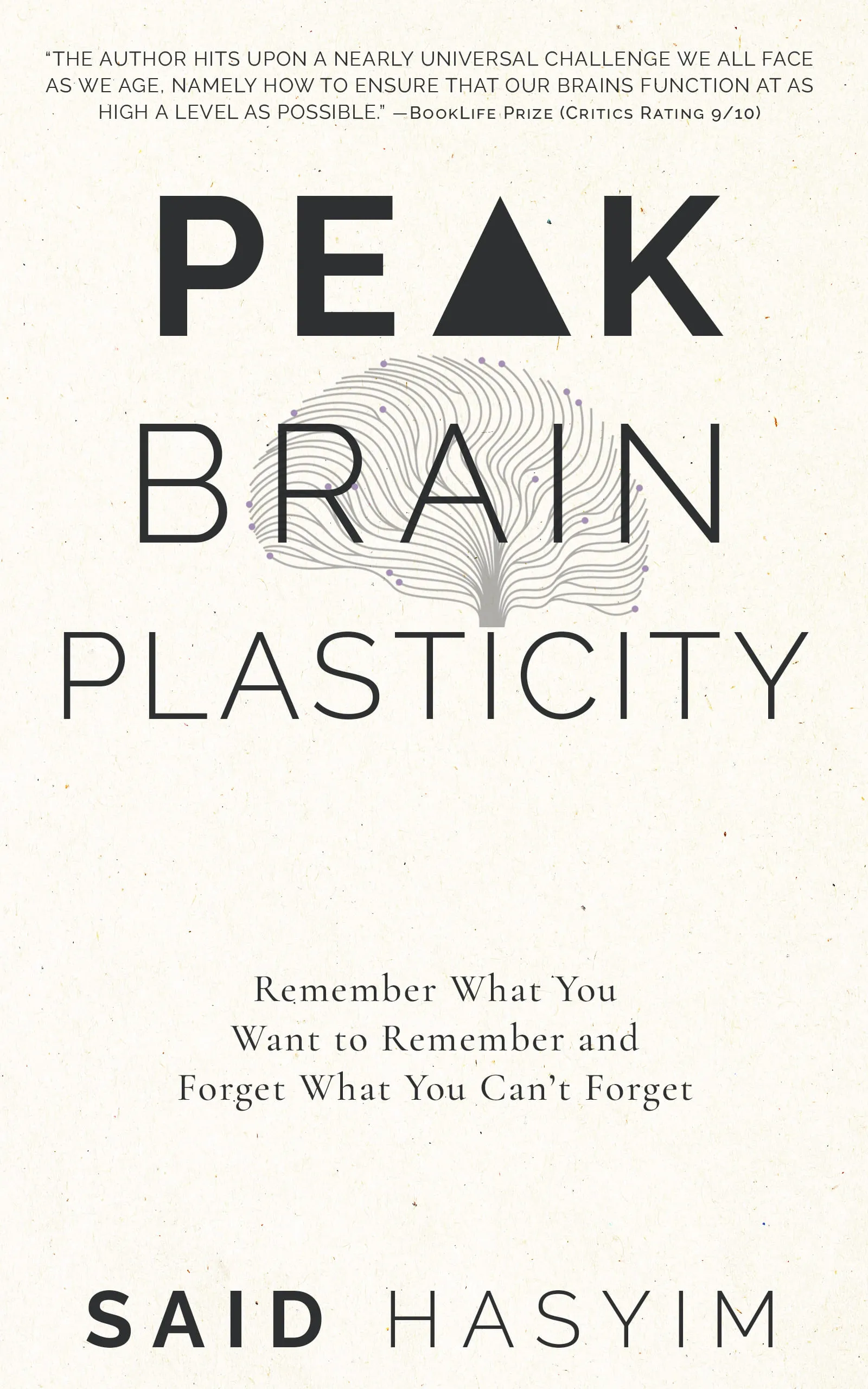
Harness the Power of Neuroplasticity
Discover Peak Brain Plasticity, a practical book to harnessing neuroplasticity. Enhance your memory, learn new languages quickly, and alleviate anxiety with effective study methods. Uncover daily habits that impact cognitive health and explore techniques for accelerated learning and memory retention. Unlock your brain's potential for growth and transformation.