Journey Through Memory: A Cognitive Exploration
Memory is not just a function of the brain; it is a journey through the corridors of our personal histories, a rich tapestry woven from threads of experience, emotion, and perception. Our understanding of memory has evolved significantly over the years, spanning various academic disciplines such as psychology, neuroscience, philosophy, and even artificial intelligence. In this blog post, we'll explore the complexity of memory, the mechanisms behind it, the common theories, and how our understanding can impact our lives.
The Nature of Memory
Memory is often defined as the capacity to encode, store, and retrieve information. It's a fundamental component of our identity, shaping who we are and how we interact with the world.
Types of Memory
Memory can be categorized into several types, each serving unique functions:
Sensory Memory: This is the immediate and brief retention of sensory information. For instance, the lingering image of a beautiful sunset or the sound of a bell fading away.
Short-term Memory: Also known as working memory, short-term memory holds information temporarily for processing and manipulation. It's why we can remember a phone number long enough to dial it.
Long-term Memory: This involves the storage of information over extended periods, perhaps even a lifetime. Long-term memory can be further divided into:
- Explicit Memory: Also known as declarative memory, which includes facts and events we can consciously recall (e.g., birthdays, historical dates).
- Implicit Memory: This is the unconscious retention of information, such as riding a bike or playing a musical instrument.
The Process of Memory
Memory formation and retrieval are intricate processes that involve several steps:
Encoding: This is the conversion of information into a form that can be stored. Factors such as attention and emotional significance can enhance encoding.
Storage: Once encoded, information must be maintained over time. This can be influenced by various factors, such as the frequency of retrieval or the depth of processing.
Retrieval: This is the process of bringing stored information back to mind. Recall can be influenced by cues and context, with familiar environments often aiding retrieval.
The Neuroscience of Memory
The study of memory is deeply rooted in neuroscience. Different regions of the brain play crucial roles in various types of memory:
- Hippocampus: Vital for forming new explicit memories and spatial navigation.
- Amygdala: Involved in processing emotions and memory, particularly relating to fear.
- Cerebellum: Essential for implicit memory, such as motor skills and actions.
Neuroplasticity, the brain's ability to form and reorganize synaptic connections in response to learning, is at the heart of memory formation. The more we engage with information, the stronger the neural pathways associated with that information become.
Theories of Memory
Several theories have emerged to explain how memory works. Some of the most prominent include:
The Multi-Store Model
Developed by Atkinson and Shiffrin, this model depicts memory as consisting of three distinct stores: sensory memory, short-term memory, and long-term memory. It emphasizes the flow of information between these stores, resembling a processing system.
Levels of Processing Theory
Proposed by Craik and Lockhart, this theory posits that the depth of processing influences recall. Information processed at a deeper level (semantic processing) is more likely to be remembered than information processed at a shallow level (phonemic or structural processing).
Connectionist Models
These models represent memory as a network of interconnected nodes. Each piece of information triggers related nodes, allowing for a web of interconnected memories. This aligns with our understanding of how we recall memories in context.
The Subjectivity of Memory
Memory is notoriously fallible. The notion that our recollections are infallible is a myth; in reality, memories can be reconstructed, altered, and even fabricated. Factors such as suggestion, emotional state, and social influences can distort our memories.
The Impact of Emotion
Emotions play a crucial role in how memories are formed and retrieved. Studies have shown that emotionally charged events are often remembered with more clarity and detail than neutral events. However, this heightened emotional impact can sometimes lead to distorted memories, particularly in cases of trauma.
The Malleability of Memory
The malleable nature of our memories can lead to serious implications, especially in judicial contexts. Eyewitness testimonies are notoriously unreliable, as far-off details can be reconstructed based on current emotions or leading questions.
Memory and Identity
Our memories shape our identities, providing a narrative thread that connects our past, present, and future. The concept of self is intricately tied to our memories, highlighting the importance of understanding their reliability and fluidity.
Memories and Personal Growth
Reflecting on our memories can foster personal growth, allowing for insights into our past behaviors, choices, and emotions. Engaging with our memories can also enhance our empathy, as understanding our experiences can lead to greater compassion towards others.
Memory in the Digital Age
In a world increasingly dominated by technology, our relationship with memory is undergoing critical changes. The phenomenon of “digital amnesia,” where we rely on devices to store and recall information, raises questions about the very nature of memory and cognition.
The Search for External Memory
As we outsource our memories to technology, we must ask ourselves: what are we gaining, and what are we losing? While technology can enhance accessibility, it may also diminish our capacity for retention and critical thinking.
Conclusion: A Journey Worth Taking
The journey through memory is both fascinating and complex. Understanding the mechanisms of memory can enhance our lives through deliberate practice and mindfulness. By acknowledging the fallibility and malleability of our memories, we can cultivate a more nuanced understanding of ourselves and our experiences.
Whether through storytelling, journaling, or even creative endeavors, engaging with our memories allows us to build a richer, more fulfilling narrative. As we navigate the complexities of memory, we are ultimately embarking on a journey that enhances our understanding of the self, relationships, and the world at large.
In the end, memory is not just about recalling the past; it is about shaping our future, allowing our journeys to unfold, one memory at a time.
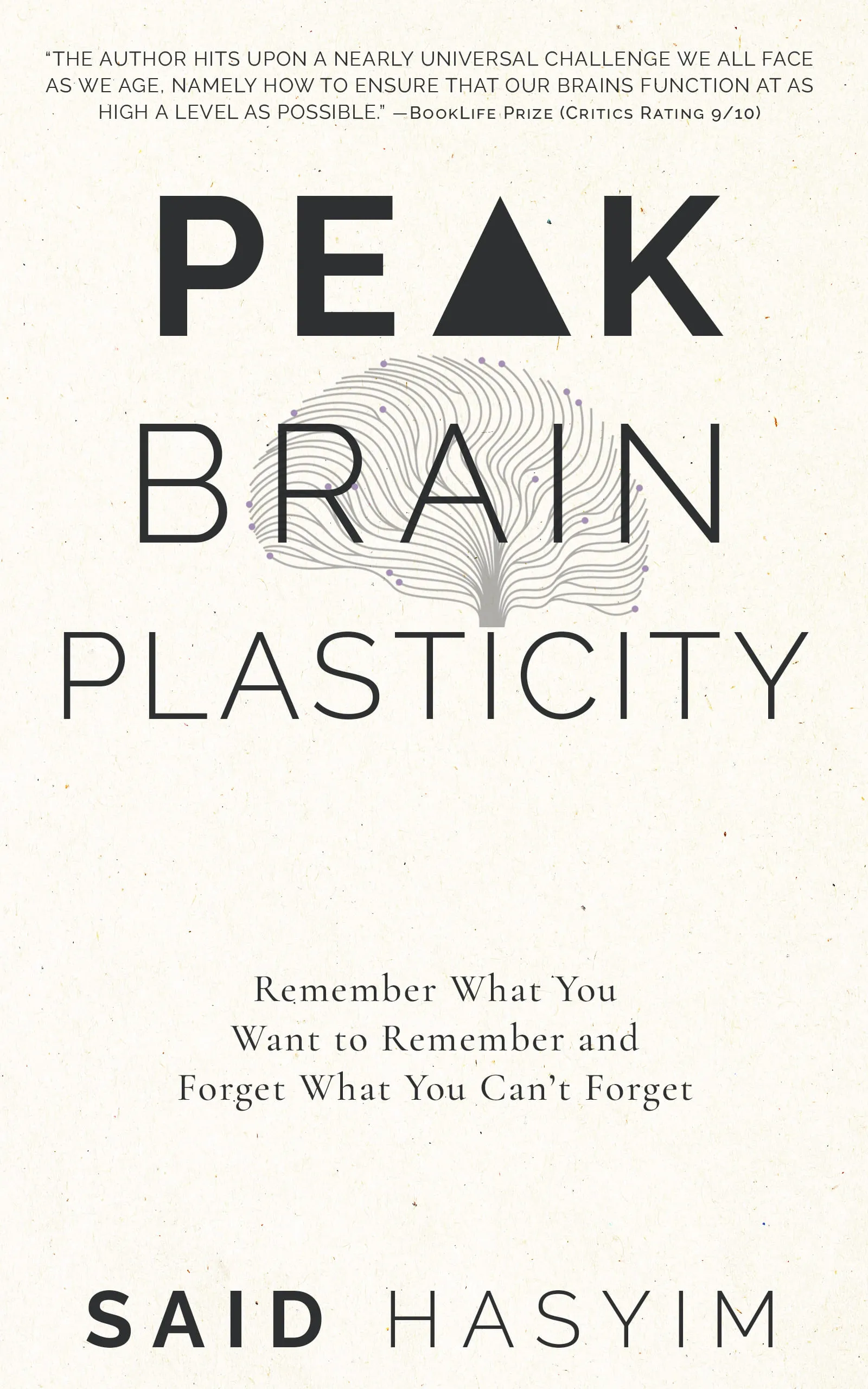
Harness the Power of Neuroplasticity
Discover Peak Brain Plasticity, a practical book to harnessing neuroplasticity. Enhance your memory, learn new languages quickly, and alleviate anxiety with effective study methods. Uncover daily habits that impact cognitive health and explore techniques for accelerated learning and memory retention. Unlock your brain's potential for growth and transformation.