How to Stay Adaptable with Aging Memory
As we journey through life, one of the most significant changes we face is the natural progression of aging, particularly affecting our memory. Aging memory is often viewed with trepidation; however, it is essential to understand that adaptability remains within our grasp. By cultivating strategies that enhance memory functions and promoting cognitive flexibility, we can age gracefully while maintaining mental acuity. This blog post will explore actionable steps to stay adaptable with aging memory, allowing you to thrive through the years.
Understanding Aging Memory
Before diving into the strategies for adaptation, it's crucial to understand how aging impacts memory. As we age, several factors may contribute to memory changes:
- Brain Structure Changes: The brain undergoes structural changes, including shrinkage of specific regions associated with memory.
- Reduced Neuroplasticity: While younger brains exhibit high neuroplasticity—the ability to form new neural connections—this declines with age, making it more challenging to adapt to new information.
- Increased Cognitive Load: Older adults may experience increased difficulty organizing and retrieving information due to higher cognitive load.
Understanding these changes can alleviate anxiety and foster a proactive approach to maintaining memory function throughout our lives.
Strategies for Maintaining Adaptability
Engage in Lifelong Learning
One of the most effective ways to keep your mind sharp is to engage consistently in learning new things. Consider the following:
- Take Classes: Enroll in courses or workshops on subjects of interest. Many community centers and online platforms offer educational opportunities for adults of all ages.
- Learn a New Language or Instrument: Challenging your brain in new ways promotes neuroplasticity, fostering adaptability.
- Participate in Discussions: Engage in conversations that stimulate critical thinking and discussion about current events, history, or philosophy.
Stay Physically Active
Regular physical activity is crucial not just for physical health but also for cognitive function. Here’s why:
- Improved Blood Flow: Exercise boosts blood flow to the brain, supporting overall cognitive health.
- Release of Neurotrophic Factors: Physical activity encourages the release of brain-derived neurotrophic factor (BDNF), essential for learning and memory.
Aim for a combination of aerobic exercises, strength training, and balance activities. Even simple activities like walking, gardening, or dancing can make a significant difference.
Maintain Social Connections
Social engagement is vital for cognitive health. Regular interaction with others can prevent feelings of isolation and contribute to mental well-being. Here’s how to enhance your social life:
- Join Clubs or Groups: Participate in community clubs, book groups, or hobbies to meet new people and share interests.
- Volunteer: Contributing your time to help others can foster a sense of purpose and connect you with different social circles.
- Stay in Touch: Make a conscious effort to maintain relationships with family and friends, whether through phone calls, video chats, or social gatherings.
Adopt Mindfulness and Stress Management Techniques
Stress can severely impact memory and cognitive function. Implementing mindfulness practices can help:
- Meditation: Regular meditation can improve attention, focus, and emotional regulation, positively impacting memory retention.
- Breathwork: Deep breathing exercises can help reduce stress and improve concentration.
- Journaling: Writing down thoughts and experiences can enhance memory retention and self-reflection.
Prioritize Mental Exercises
Just as you would strengthen your body, it’s essential to keep your mind agile. Engage in activities that challenge your cognitive skills:
- Puzzles and Games: Playing crossword puzzles, Sudoku, card games, or strategy board games can stimulate your brain.
- Memory Exercises: Practice techniques like visualization, association, and mnemonics to improve memory recall.
- Learn Coding or Programming: This can be a complex activity that logically engages your brain while keeping you current with technology.
Maintain a Nutrient-Rich Diet
Nutrition plays a vital role in cognitive health. Consider incorporating the following into your diet:
- Fruits and Vegetables: A diet rich in antioxidants can protect brain cells from damage.
- Healthy Fats: Omega-3 fatty acids found in fish, nuts, and seeds contribute to brain health and cognitive function.
- Hydration: Staying sufficiently hydrated is crucial; even mild dehydration can impair cognitive performance.
Get Quality Sleep
Sleep is fundamental for memory consolidation. Establish healthy sleep habits:
- Regular Sleep Schedule: Go to bed and wake up at the same time each day to regulate your body clock.
- Create a Restful Environment: Minimize noise, light, and distractions in your bedroom to improve sleep quality.
- Limit Screen Time Before Bed: Reducing exposure to screens can help your brain wind down for better rest.
Accept Change and Embrace Flexibility
Change is an inevitable part of aging. Cultivating an adaptable mindset can enhance your ability to cope with shifts in memory or cognitive function:
- Reframe Thoughts: Instead of viewing memory changes negatively, focus on the strengths and experiences that come with aging.
- Explore New Strategies: Allow yourself to experiment with new memory aids, such as digital reminders or organizational tools, to accommodate changing needs.
- Practice Patience: Understand that adaptation may take time, and being gentle with yourself during this process can cultivate resilience.
Conclusion
Aging is a natural part of life, but as we age, optimizing our memory and cognitive function remains within reach. By adopting the above strategies—learning, staying active, connecting with others, and embracing adaptability—we can shape our journey into later years positively. Remember, it’s not only about maintaining memory but enhancing overall well-being as we navigate the landscape of life. Embrace the present, stay engaged, and remain adaptable; your future self will thank you!
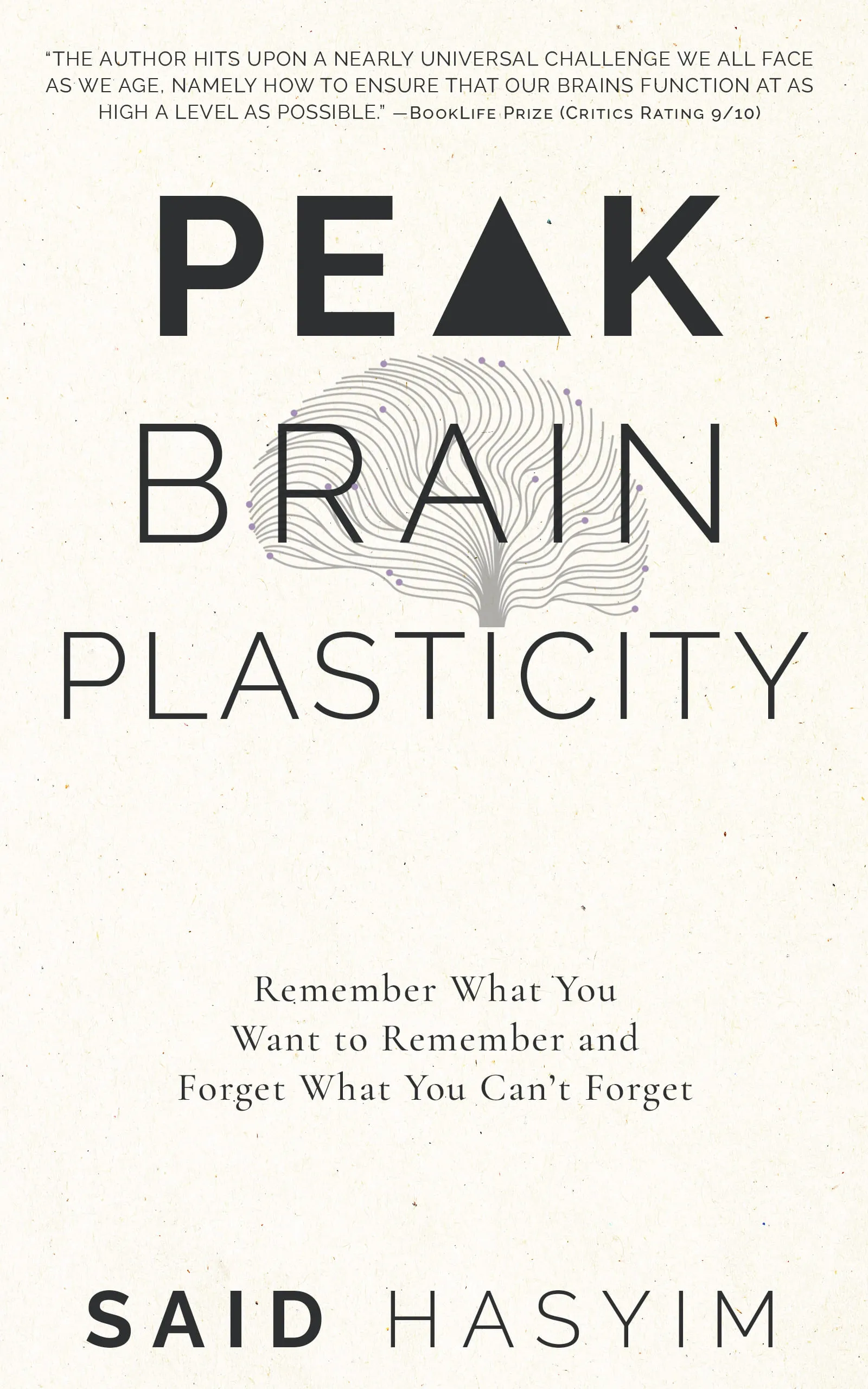
Harness the Power of Neuroplasticity
Discover Peak Brain Plasticity, a practical book to harnessing neuroplasticity. Enhance your memory, learn new languages quickly, and alleviate anxiety with effective study methods. Uncover daily habits that impact cognitive health and explore techniques for accelerated learning and memory retention. Unlock your brain's potential for growth and transformation.