How to Reset Your Brain for Better Memory
In our fast-paced world, where distractions lurk at every corner, it’s easy to feel overwhelmed and mentally drained. Memory lapses can become an everyday occurrence, and tasks that once came easily may suddenly require more effort. The good news is that our brains are incredibly adaptable. With the right strategies, you can reset your brain, improve your memory, and enhance your cognitive capabilities. In this blog post, we will explore several techniques and lifestyle changes that can help you optimize your memory and mental performance.
Understanding Your Memory
Memory isn’t simply a storage unit for facts and experiences; it involves various complex processes. Our brains utilize multiple systems to encode, store, and retrieve information, including short-term memory, long-term memory, and working memory. Here’s a brief overview of each:
- Short-Term Memory: This is where information is temporarily held. It can retain about 7 items for about 20-30 seconds.
- Long-Term Memory: This involves the storage of information over extended periods. It can be further divided into explicit (conscious) and implicit (unconscious) memories.
- Working Memory: This is a system that holds and manipulates information for short periods, essential for reasoning and decision-making.
Understanding how your memory works is the first step toward improving it. Here are some actionable strategies to reset your brain for better memory.
1. Prioritize Sleep
The Connection Between Sleep and Memory
Sleep is vital for memory consolidation. During sleep, your brain processes information from the day, transferring it from short-term to long-term storage. Inadequate sleep can impair cognitive function and disrupt these processes.
Tips for Better Sleep
- Establish a Sleep Routine: Go to bed and wake up at the same time every day to regulate your body clock.
- Limit Screen Time: Reduce exposure to screens at least an hour before bedtime to promote better sleep quality.
- Create a Relaxing Environment: Make your bedroom a tranquil space with comfortable bedding, cool temperatures, and minimal light.
2. Engage in Mental Exercises
Stimulating Your Brain
Keeping your mind active is crucial for memory enhancement. Regular mental exercises can build new neural pathways, helping defend against cognitive decline.
Activities to Try
- Puzzles and Games: Engage in activities such as crosswords, Sudoku, or memory games.
- Learn Something New: Challenge yourself to learn a new skill or hobby, such as playing a musical instrument or a new language.
- Mindfulness and Meditation: Practicing mindfulness can improve your attention and working memory.
3. Adopt a Healthy Diet
The Impact of Nutrition on Memory
What you eat has a significant effect on brain health. A balanced diet rich in nutrients can enhance memory function and cognitive abilities.
Foods to Include
- Omega-3 Fatty Acids: Found in fish, flaxseeds, and walnuts, omega-3s are crucial for brain health.
- Fruits and Vegetables: Antioxidants in fruits and vegetables can reduce oxidative stress and inflammation, contributing to better brain function.
- Whole Grains: Foods like oats, quinoa, and brown rice help maintain steady blood sugar levels, promoting focus and concentration.
4. Maintain Physical Activity
The Brain-Body Connection
Exercise is not just beneficial for your body; it plays a crucial role in cognitive health, including memory. Physical activity increases blood flow to the brain, which can help enhance memory and release endorphins that improve mood.
Recommended Activities
- Aerobic Exercises: Engage in activities like running, cycling, or swimming for at least 150 minutes a week.
- Strength Training: Incorporate resistance training into your routine at least twice a week.
- Mind-Body Exercises: Consider yoga or tai chi, which can reduce stress and improve cognitive function.
5. Manage Stress Effectively
The Effects of Stress on Memory
Chronic stress can lead to memory impairment by disrupting the brain's ability to encode and retrieve information. Finding ways to manage stress is crucial for enhancing memory.
Stress Management Techniques
- Deep Breathing and Relaxation: Practice deep breathing exercises or progressive muscle relaxation to alleviate stress.
- Time Management: Organize your tasks effectively to reduce feelings of being overwhelmed.
- Social Connections: Spend time with friends and family; social interaction is a natural stress reliever.
6. Implement Memory Techniques
Tools for Better Memorization
Utilizing specific memorization techniques can help improve your ability to retain and recall information.
Techniques to Try
- Mnemonics: Create acronyms, rhymes, or associations to help recall complex information.
- Visualization: Use mental imagery to visualize information, making it easier to remember.
- Chunking: Break down large pieces of information into smaller, manageable parts.
7. Stay Curious and Engaged
Lifelong Learning
Cultivating a sense of curiosity and engaging with your environment can significantly boost cognitive function. A lifelong learning mindset keeps your brain active and helps build memory capacity.
How to Stay Engaged
- Read Regularly: Explore new subjects or genres to stimulate your mind.
- Participate in Discussions: Join clubs or forums that reflect your interests, encouraging dialogue and new ideas.
- Travel and Explore: New experiences can challenge your brain and keep it sharp.
Conclusion
Resetting your brain for better memory is a multifaceted endeavor that requires consistent effort and dedication. Implementing a combination of these strategies can lead to significant improvements in your memory and overall cognitive health. Remember that, much like physical fitness, mental fitness takes time to develop. Be patient with yourself, stay committed, and you will soon notice the positive effects.
Start today—take small steps, implement changes into your daily routine, and watch as your memory flourishes. Your brain is a powerful organ; treat it well, and it will reward you with enhanced cognitive abilities for years to come.
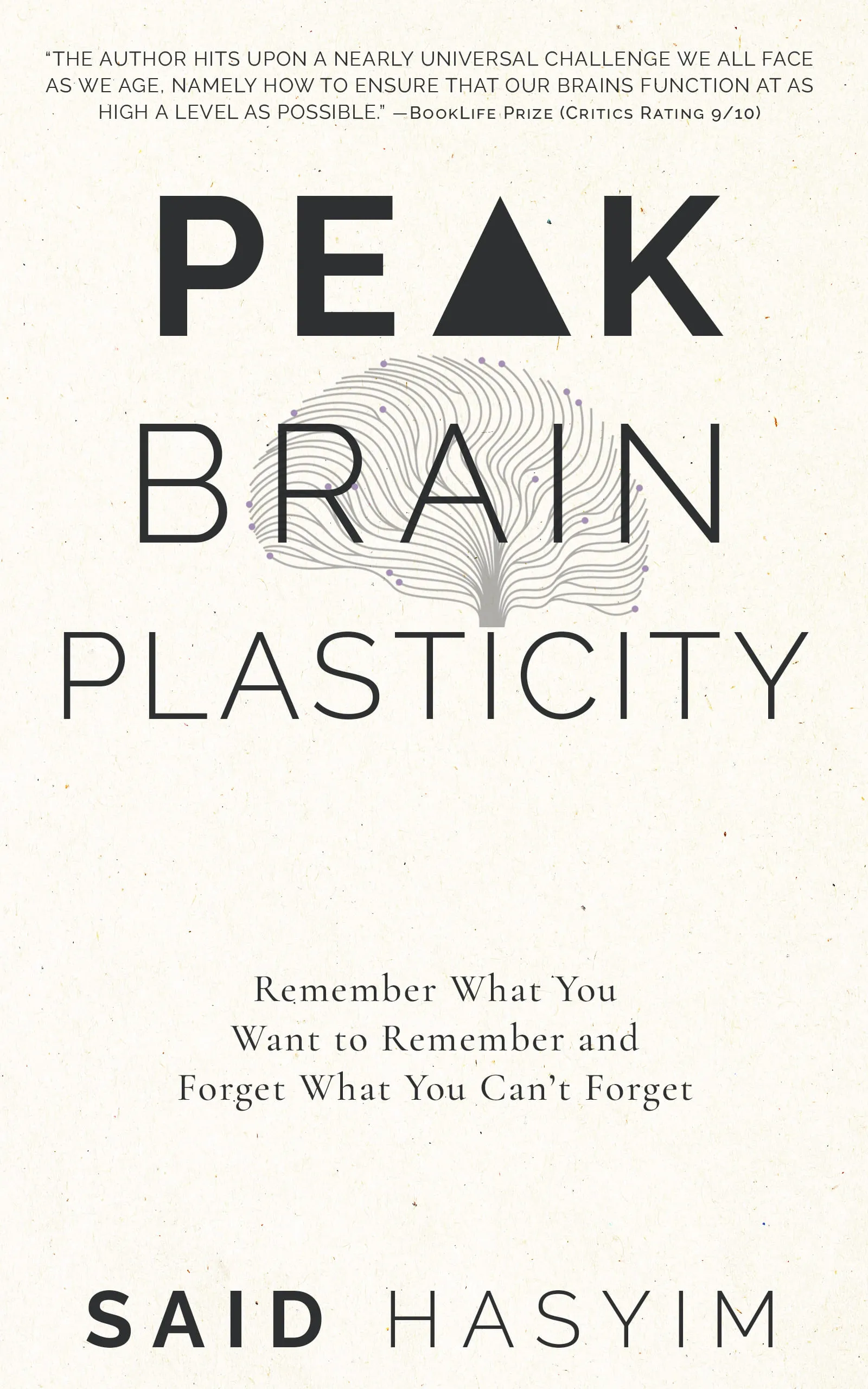
Harness the Power of Neuroplasticity
Discover Peak Brain Plasticity, a practical book to harnessing neuroplasticity. Enhance your memory, learn new languages quickly, and alleviate anxiety with effective study methods. Uncover daily habits that impact cognitive health and explore techniques for accelerated learning and memory retention. Unlock your brain's potential for growth and transformation.