How to Hack Your Brain for Better Memory
Memory is one of the most important cognitive functions, influencing our ability to learn, make decisions, and interact with the world around us. However, many of us struggle with memory retention and recall at some point in our lives. Whether you're a student preparing for exams, a professional aiming to retain vast amounts of information, or simply someone desiring to improve memory capabilities as you age, optimizing your memory can have significant benefits. In this comprehensive blog post, we will explore various techniques and strategies to help you hack your brain for better memory.
Understanding Memory
Before diving into specific techniques, it's essential to understand how memory works. Memory is typically categorized into three types:
Sensory Memory: This type is fleeting and lasts only a few seconds. It captures the initial stimuli we encounter, such as sights and sounds.
Short-term Memory: Also known as working memory, this is where we hold information temporarily—typically for about 15 to 30 seconds. It allows us to manipulate and work with information at hand.
Long-term Memory: This is where information is stored more permanently and can last from days to years. Long-term memory further divides into declarative (explicit) and procedural (implicit) memory.
Improving your memory often involves enhancing your brain's functions in all these areas.
Techniques to Boost Your Memory
1. Use Mnemonic Devices
Mnemonic devices are memory aids that use associations to help you remember information. They can take various forms:
Acronyms: Create a word from the first letter of each item you want to remember. For example, "HOMES" can help you remember the Great Lakes: Huron, Ontario, Michigan, Erie, and Superior.
Visualization: Create a vivid mental image of the information you are trying to remember. The more bizarre or exaggerated, the better!
Rhymes and Songs: Turning information into a catchy rhyme or song can be an effective way to remember it. The rhythm and melody can enhance recall.
2. Practice the Method of Loci
The Method of Loci, also known as the memory palace technique, involves visualizing a familiar place and associating it with the items you want to remember. Here’s how to do it:
Choose a Familiar Place: Select a place you know well, such as your home or a route you often take.
Identify Key Locations: Identify specific points along this route or within the space—these will serve as "hooks" for your memories.
Visualize Your Memory Items: As you mentally walk through your chosen location, place the items you need to remember at the key locations you identified.
When you want to recall the information, simply take a mental stroll through your memory palace.
3. Get Organized
A cluttered mind can lead to a cluttered memory. Staying organized minimizes cognitive overload and helps your brain focus on what’s important:
Use Lists: Write lists for tasks or things you need to learn. The act of writing can also reinforce memory.
Keep a Planner: Track deadlines and appointments. This prevents you from relying solely on memory and lessens the chance of forgetting important dates.
4. Embrace Spaced Repetition
Spaced repetition is a technique where you review information at gradually increasing intervals. This method is scientifically proven to enhance long-term retention. Here’s how to implement it:
Review Soon After Learning: Revisit the material within a few hours of learning to reinforce memory.
Wait Longer with Each Review: Increase the interval between each review session. For example, review after one day, then three days later, then a week, and so on.
Spaced repetition works well with flashcards. Digital tools like Anki can automate this process for you.
5. Stay Curious and Engage in Lifelong Learning
The brain thrives on novelty and stimulation. Engage your curiosity by:
Trying New Activities: Perhaps learn a new language, take up an instrument, or study a new subject. These activities promote neural plasticity, which can strengthen memory.
Engaging in Intellectual Discussions: Discussing topics with others can deepen your understanding and help commit information to memory.
6. Prioritize Sleep
Sleep plays a critical role in memory consolidation. During sleep, the brain processes and organizes information gathered throughout the day. To improve your memory:
Aim for 7-9 Hours of Quality Sleep: Establish a consistent sleep schedule and create a tranquil bedtime routine.
Power Naps: If you feel fatigued during the day, consider short naps (20-30 minutes) to refresh your mind without entering deep sleep cycles.
7. Maintain a Healthy Lifestyle
A healthy lifestyle can optimize brain function and enhance memory. Consider these key aspects:
Nutrition: A balanced diet rich in fruits, vegetables, whole grains, lean proteins, and healthy fats will support cognitive function. Foods high in omega-3 fatty acids, like fish and flaxseeds, promote brain health.
Stay Hydrated: Dehydration can impair memory and cognitive performance, so drink plenty of water throughout the day.
Exercise Regularly: Physical activity encourages blood flow to the brain and promotes the growth of new neurons, positively impacting memory.
8. Practice Mindfulness and Meditation
Mindfulness can enhance your focus and concentration, leading to better memory retention. Try incorporating mindfulness practices:
Meditation: Spend a few minutes daily in meditation to calm your mind and focus on your breathing. This can develop concentration skills that bolster memory.
Mindful Breathing: Focus on your breath for a few moments when you feel overwhelmed or distracted. This can help center your thoughts and improve mental clarity.
9. Limit Distractions
In our fast-paced world, distractions abound. Reducing these interruptions can enhance memory retention:
Create a Distraction-Free Environment: When studying or working, eliminate potential distractions like your phone, notifications, or background noise.
Implement Pomodoro Technique: Break work into intervals (usually 25 minutes), followed by a short break. This will help maintain focus and improve your ability to retain information.
Conclusion
Improving your memory doesn't happen overnight, but with dedication and the application of these techniques, you can significantly enhance your cognitive abilities. Remember that everyone's brain is different, so experiment with various methods and find what works best for you. By hacking your brain through mnemonic devices, organization, spacing, healthy lifestyle choices, and mindfulness, you'll not only boost your memory but also enrich the learning experience across many aspects of your life.
Happy memorizing!
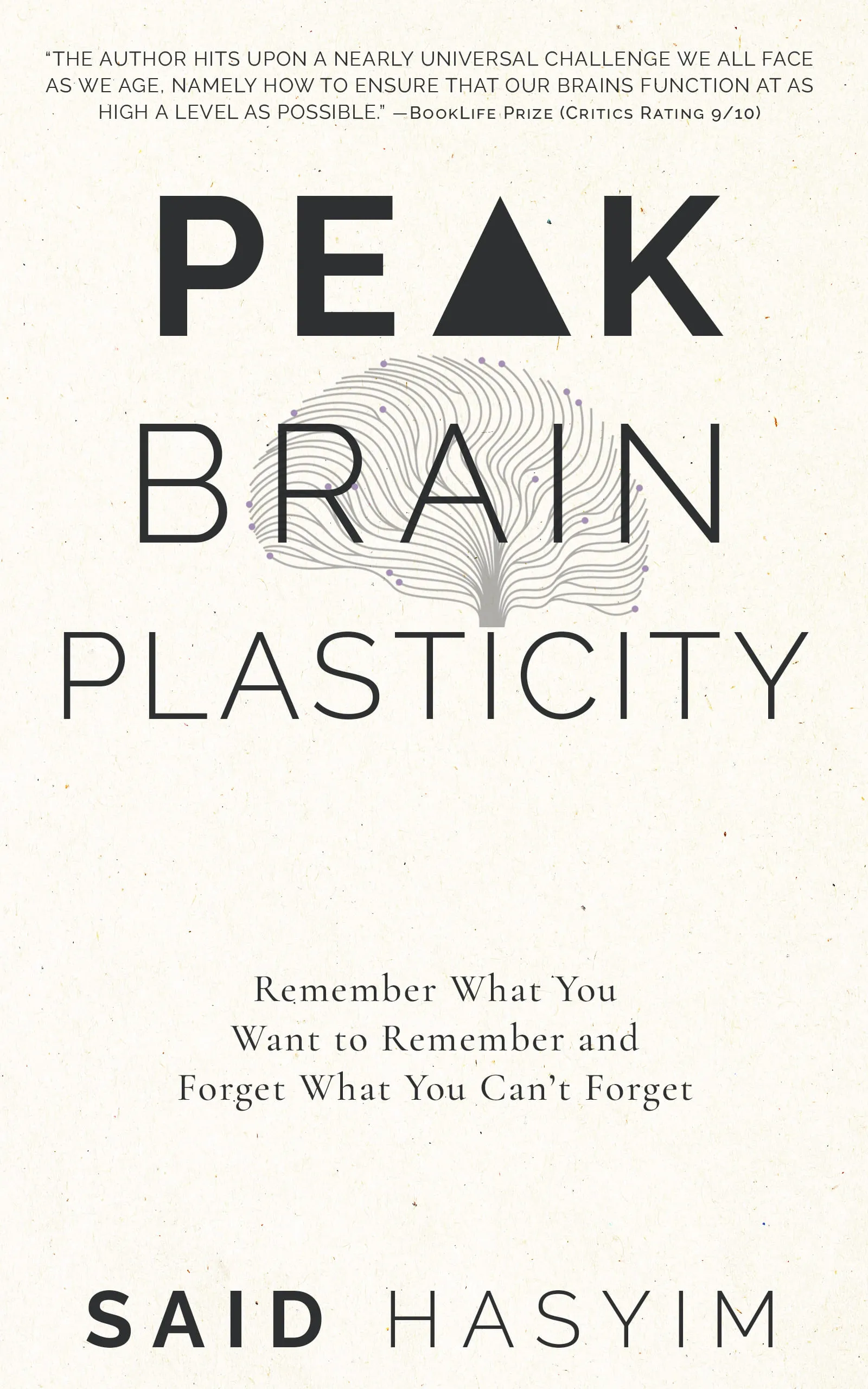
Harness the Power of Neuroplasticity
Discover Peak Brain Plasticity, a practical book to harnessing neuroplasticity. Enhance your memory, learn new languages quickly, and alleviate anxiety with effective study methods. Uncover daily habits that impact cognitive health and explore techniques for accelerated learning and memory retention. Unlock your brain's potential for growth and transformation.