How to Build a Memory Palace for Your Mind
Memory is an intriguing aspect of human cognition. From remembering daily tasks to recalling important historical events, our ability to store and retrieve information influences our everyday lives. One powerful and ancient technique to enhance memory is the Memory Palace, also known as the Method of Loci. Below, we'll explore what a Memory Palace is, why it works, and how to build one for yourself.
What is a Memory Palace?
A Memory Palace is a mnemonic device that utilizes spatial memory to help with the organization and recall of information. The concept is based on the idea of envisioning a familiar place, such as your home, and populating it with items, symbols, or concepts that represent the information you wish to remember. The connection between the spatial layout of a known environment and the information creates a powerful memory recall tool.
This technique dates back to ancient Greece and has been used for centuries by orators and scholars alike. It encourages the brain to leverage visual and spatial memory, making it easier to retain information.
Why Does the Memory Palace Work?
The Memory Palace taps into several cognitive principles that enhance memory retention:
Spatial Memory: Humans have a natural aptitude for remembering the layout of physical spaces. By creating a mental map of a familiar place, you can leverage your brain’s natural aptitude for navigation.
Visual Imagery: Associating information with vivid images enhances memory recall. By converting abstract concepts into memorable visual forms, you can make them more digestible and recallable.
Emotional Connection: Creating connections between the space and the information often elicits emotions, which further cements the memory in your mind.
Organization: A Memory Palace provides a structure for the information, allowing you to arrange and categorize ideas logically.
Steps to Build a Memory Palace
Step 1: Choose Your Palace
The first step in building a Memory Palace is to select a familiar location. This could be your childhood home, a favorite classroom, or any space you can visualize clearly. The important thing is that the location is well-known to you, as this familiarity will aid in navigation.
Step 2: Plan Your Route
Once you have chosen your location, mentally outline a specific route through it. This route should be logical and consistent; you might start at the front door, move to the living room, and then go to the kitchen, for example. The more defined your route is, the easier it will be to navigate during recall.
Step 3: Identify Specific Locations
As you mentally traverse your palace, designate specific locations or landmarks where you will place the information you want to remember. For example, you might imagine putting a concept on the coffee table, an image in the refrigerator, or a word on a chair. Here are some suggestions for identifying specific locations:
- Furniture: Use items like chairs, tables, or shelves.
- Rooms: Each room could represent a category of information.
- Objects: Individual objects in the location can stand in for data points.
Step 4: Populate Your Palace with Information
Now comes the exciting part: populating your Memory Palace with the information you wish to remember. Here are the best practices to make this step effective:
Use Vivid Imagery: Transform each piece of information into a strong visual representation. For example, if you need to remember to buy apples, picture a giant, juicy apple sitting on your couch.
Add Emotion: Connect a feeling to the visual. If you are visualizing an apple, perhaps imagine it rolling off the couch and splattering everywhere. The absurdity or humor helps lock the memory.
Storytelling: Create a narrative that links the images together, forming a storyline that helps you remember the sequence.
Step 5: Practice and Review
After populating your palace, it’s time to practice navigating through it. Take a mental walk through your Memory Palace, recalling each item or concept in the order you've arranged them. Regular practice will strengthen your memory retention.
Consider reviewing your palace several times a week, using it to help recall specific pieces of information. The more you interact with your Memory Palace, the more entrenched the information will become.
Step 6: Expand as Needed
As you become more comfortable with the Memory Palace technique, feel free to expand it. You can add new rooms, create additional palaces for different topics, or even use external locations—like parks or other buildings—as new palaces for varied content.
Tips to Enhance Your Memory Palace
- Stay Consistent: Use the same palace for similar categories of information to reinforce patterns in your memory.
- Use Different Palaces: Feel free to create multiple palaces for disparate subjects to avoid confusion.
- Incorporate Sensory Details: Engage all your senses by incorporating sounds, scents, and textures into your visualization to deepen the memory hooks.
- Experiment: Don’t hesitate to adjust the imagery or locations if you find something isn't working for you; personalization is key.
Conclusion
The Memory Palace is a powerful technique for enhancing your memory capabilities by leveraging the brain's spatial and visual strengths. With practice and creativity, you can transform your ability to remember information, whether for studying, public speaking, or daily life. By following the steps outlined in this guide, you can create a functional and effective Memory Palace tailored to your unique needs.
So go ahead—select your palace, populate it with vivid imagery, and let your memory flourish! Happy memorizing!
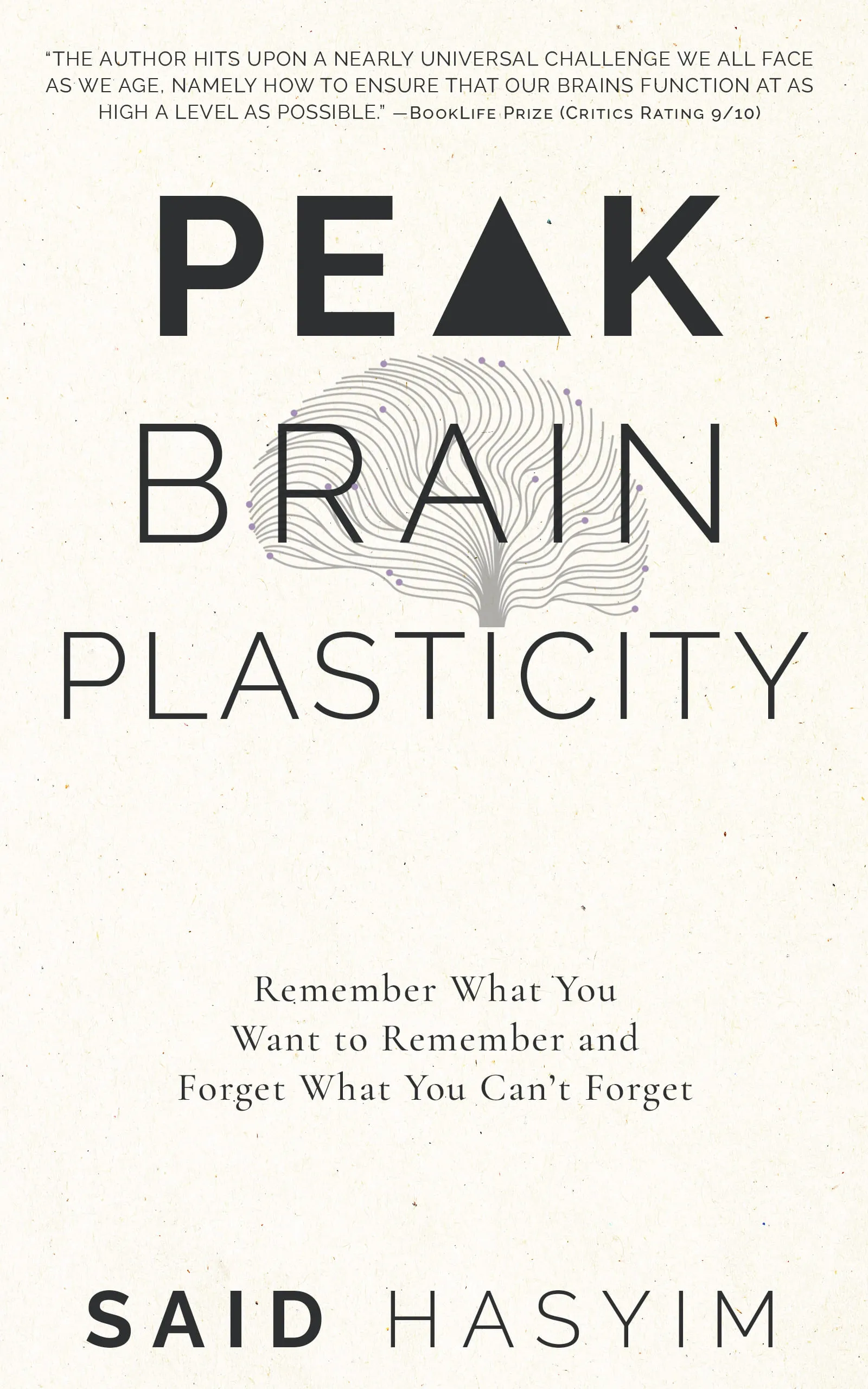
Harness the Power of Neuroplasticity
Discover Peak Brain Plasticity, a practical book to harnessing neuroplasticity. Enhance your memory, learn new languages quickly, and alleviate anxiety with effective study methods. Uncover daily habits that impact cognitive health and explore techniques for accelerated learning and memory retention. Unlock your brain's potential for growth and transformation.