How to Balance Focus and Flexibility in Learning
In an age where information is at our fingertips and learning opportunities abound, the quest for an effective learning strategy can often feel overwhelming. The dual demands of focus and flexibility in our learning processes raise important questions about how we engage with new material, manage our time, and develop skills. Balancing these two elements is critical for not only mastering new concepts but also for fostering a mindset conducive to lifelong learning.
Understanding Focus in Learning
Focus is the ability to concentrate on a specific task, idea, or concept without distraction. It allows learners to delve deeply into a subject matter, enabling deep comprehension and retention. Key aspects of focus in learning include:
- Setting Clear Goals: Having specific, measurable objectives can guide your studies and keep your attention directed.
- Eliminating Distractions: In a world full of digital notifications and constant interruptions, creating a dedicated learning environment can enhance your ability to concentrate.
- Practicing Mindfulness: Techniques such as meditation or focused breathing can improve your overall concentration and help you remain present during study sessions.
Benefits of a Focused Learning Approach
- Deeper Understanding: When you focus intently on a topic, you are more likely to grasp complex ideas and develop a nuanced understanding.
- Improved Retention: Studies show that concentrated study sessions yield better information retention compared to multitasking or fragmented efforts.
- Increased Productivity: A focused mindset can lead to more efficient use of time, allowing you to accomplish more in a shorter period.
Understanding Flexibility in Learning
On the other side of the spectrum, flexibility in learning refers to the ability to adapt your study methods, topics, or approaches based on your needs and circumstances. It encompasses the following elements:
- Adaptable Learning Strategies: Being open to trying different learning styles or techniques can facilitate a deeper engagement with the material.
- Responsive to Feedback: Learning is iterative, and being flexible enough to incorporate feedback can lead to more effective understanding and skill acquisition.
- Openness to New Topics: Flexibility means being willing to explore unexpected areas of interest or new skills outside of your initial focus.
Benefits of a Flexible Learning Approach
- Enhanced Creativity: A flexible mindset encourages creative thinking, allowing you to make connections between disparate subjects or ideas.
- Broadened Skill Set: By being willing to pivot and explore various topics, you can develop a more rounded skill set that can be beneficial in diverse situations.
- Resilience: Flexibility fosters resilience in the face of challenges. When faced with setbacks, flexible learners are more likely to adapt and find alternative paths to success.
Striking a Balance Between Focus and Flexibility
Achieving equilibrium between focus and flexibility is essential for effective learning. Here are several strategies to help you navigate this balance:
1. Create a Structured Yet Flexible Learning Plan
Start by developing a learning plan that includes specific goals, yet leaves room for adjustment. For example, you may allocate a certain amount of time to focus on a specific subject, but remain open to spending additional time on related material that piques your interest.
2. Use Time Blocks Effectively
Consider implementing techniques such as the Pomodoro Technique, which involves focused work intervals followed by short breaks. This method not only helps maintain attention and productivity but also gives you the freedom to explore other interests during your breaks.
3. Reflect Regularly
Take time to reflect on your learning process. Ask yourself what is working and what isn’t—this reflection allows you to make necessary adjustments and enhances both focus and flexibility in your learning journey.
4. Set Aside Time for Exploration
Dedicating specific periods solely for exploration can help in maintaining balance. During these sessions, allow yourself to delve into topics that interest you, even if they don’t directly align with your current goals.
5. Embrace Mistakes
Recognizing mistakes as part of the learning process is crucial. A flexible learner views setbacks as opportunities for growth, while a focused learner uses errors to deepen their understanding of the material.
6. Stay Curious
Nurturing your natural curiosity about various subjects can lead to a more engaged and balanced learning experience. Allow yourself to follow interesting tangents during your studies, blending focus with explorative learning.
Conclusion
Balancing focus and flexibility in learning is not a matter of choosing one over the other but rather integrating both approaches to create a dynamic and enriching learning experience. By cultivating strong focus skills while also embracing flexibility, learners can navigate their educational journeys more effectively, foster creativity, and remain adaptable in an ever-changing world. The key lies in self-awareness and the willingness to experiment with different strategies—because every learner’s journey is unique, and finding what works for you will pave the way for deeper understanding and lifelong growth.
Ultimately, remember that learning is not a destination but a continuous journey. Embrace the balance of focus and flexibility, and let it guide you towards becoming not just a more effective learner, but a more fulfilled one.
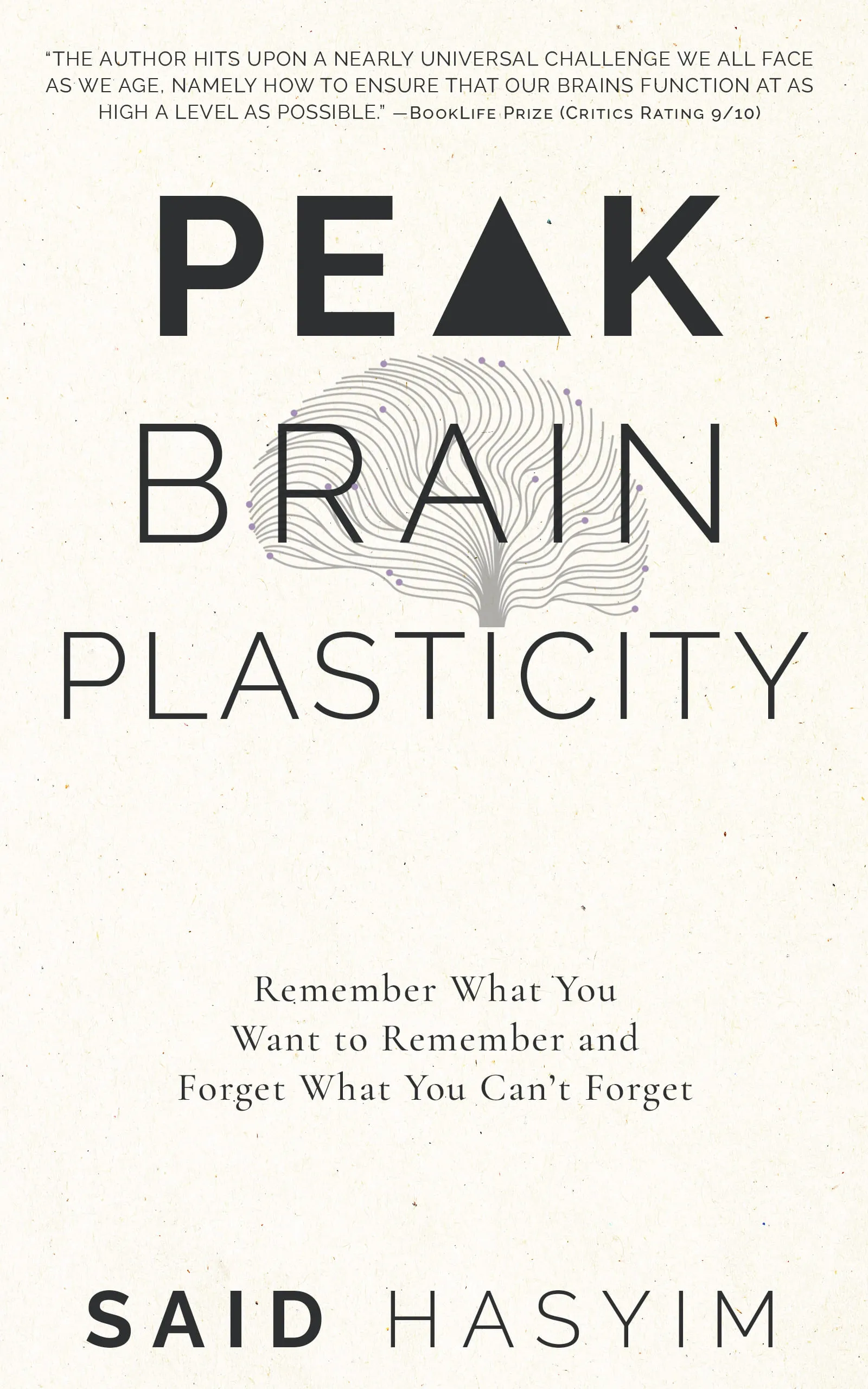
Harness the Power of Neuroplasticity
Discover Peak Brain Plasticity, a practical book to harnessing neuroplasticity. Enhance your memory, learn new languages quickly, and alleviate anxiety with effective study methods. Uncover daily habits that impact cognitive health and explore techniques for accelerated learning and memory retention. Unlock your brain's potential for growth and transformation.