How Movement Affects Brain Function and Memory
In our fast-paced modern world, where sedentary lifestyles are becoming the norm, it’s easy to overlook the profound impact of physical movement on our brain health and cognitive functions. Recent studies and a growing body of research highlight the critical relationship between movement—whether through exercise, walking, or even simple stretches—and our brain’s ability to function optimally and retain information. In this blog post, we’ll explore how movement affects brain function and memory, delve into the science behind it, and discover practical ways to incorporate more movement into our lives for enhanced mental performance.
The Science Behind Movement and Brain Function
Movement plays a pivotal role in maintaining and enhancing brain health. Here’s how:
1. Increased Blood Flow
Physical activity leads to increased heart rate, which enhances blood circulation throughout the body, including the brain. When you engage in movement, your heart pumps more oxygen-rich blood to your brain cells. This influx of nutrients is crucial for the production of neurotransmitters, chemicals that transmit signals in the brain, fostering better communication between neurons and contributing to sharper cognitive functions.
2. Neurogenesis and Synaptogenesis
Exercise stimulates the production of Brain-Derived Neurotrophic Factor (BDNF), a protein that promotes the survival and growth of neurons. Increased BDNF levels are associated with neurogenesis—the creation of new neurons—and synaptogenesis—the formation of new connections between neurons. These processes are vital for learning, memory, and overall cognitive flexibility.
3. Reduction of Stress and Anxiety
Effective movement, particularly aerobic exercises, leads to the release of endorphins and serotonin, both of which contribute to improved mood and reduced feelings of stress and anxiety. Chronic stress is harmful to the brain and can severely impair memory function. By reducing stress hormones like cortisol through physical activity, we can protect the brain from its adverse effects and create a more conducive environment for learning and memory retention.
4. Enhanced Sleep Quality
Regular movement has been shown to improve sleep quality by helping regulate circadian rhythms and reducing insomnia-related issues. Quality sleep is integral to memory consolidation, the phase where our brains transition memories from short-term to long-term storage. Consequently, the better our sleep, the more effective our memory processes become.
The Impact of Movement on Memory
Memory can be broken down into various types, including sensory memory, short-term memory, and long-term memory. Movement affects all facets of memory in the following ways:
1. Improved Short-Term Memory
Studies have indicated that even short bouts of physical activity can temporarily enhance cognitive performance, including short-term memory retention. Engaging in movement helps clear the mind, focus attention, and promote quick thinking—all of which are beneficial for tasks that require short-term memory recall.
2. Stronger Long-Term Memory
Physical activity has been shown to support long-term memory development. Evidence suggests that individuals who exercise regularly perform better on memory tests than those who lead a sedentary lifestyle. The mechanisms behind this enhancement include increased neurogenesis, which creates new memories, and synaptic plasticity, which strengthens existing memories.
3. Spatial Memory and Learning
Activities that engage spatial awareness, such as running, dancing, or team sports, are linked to the enhancement of spatial memory. This type of memory is crucial for navigation and understanding the relationships between objects in space. Regularly participating in such activities can help improve our ability to remember places, people, and contexts.
4. Cognitive Decline Prevention
As we age, our cognitive functions often decline, leading to difficulties with memory. However, studies have shown that older adults who engage in regular physical activity exhibit less cognitive decline than their peers. The cognitive benefits of movement can even help delay or prevent the onset of neurodegenerative diseases like Alzheimer’s and dementia.
Practical Ways to Incorporate Movement into Your Daily Life
Understanding the benefits of movement on brain function and memory provides a powerful motivation to incorporate more activity into our everyday lives. Here are some practical tips for doing just that:
1. Take Breaks for Movement
If you find yourself sitting for long stretches (at a desk or watching TV), set a timer to remind you to stand up and move every hour. Even short walks around the room, stretching exercises, or simple movements can help stimulate blood flow and refresh your mind.
2. Incorporate Physical Activity into Your Routine
Aim to include a variety of physical activities in your weekly routine, such as walking, swimming, yoga, or dancing. Aim for at least 150 minutes of moderate aerobic activity each week, as recommended by health authorities.
3. Choose Active Transportation
If possible, walk or cycle instead of driving for short distances. Incorporating movement into your commute can boost your mood and prepare your brain for the day ahead.
4. Engage in Mind-Body Exercises
Activities like yoga and tai chi combine movement with mindfulness, helping reduce stress while promoting cognitive benefits. These practices enhance focus and mental clarity while fostering relaxation.
5. Set Movement Goals
Whether it’s taking the stairs instead of the elevator, participating in a group sport, or dedicating time for a new fitness class, setting achievable movement goals can motivate you to stay active and engaged.
Conclusion
The connection between movement, brain function, and memory is undeniable. By prioritizing physical activity as a regular part of our lives, we not only enhance our physical well-being but also elevate our cognitive abilities and overall mental health. As we continue to learn about the many ways movement affects our minds, let’s embrace an active lifestyle to unlock the full potential of our brains.
So next time you feel overwhelmed, consider a brisk walk or a dance break to clear your mind and boost your memory—your brain will thank you!
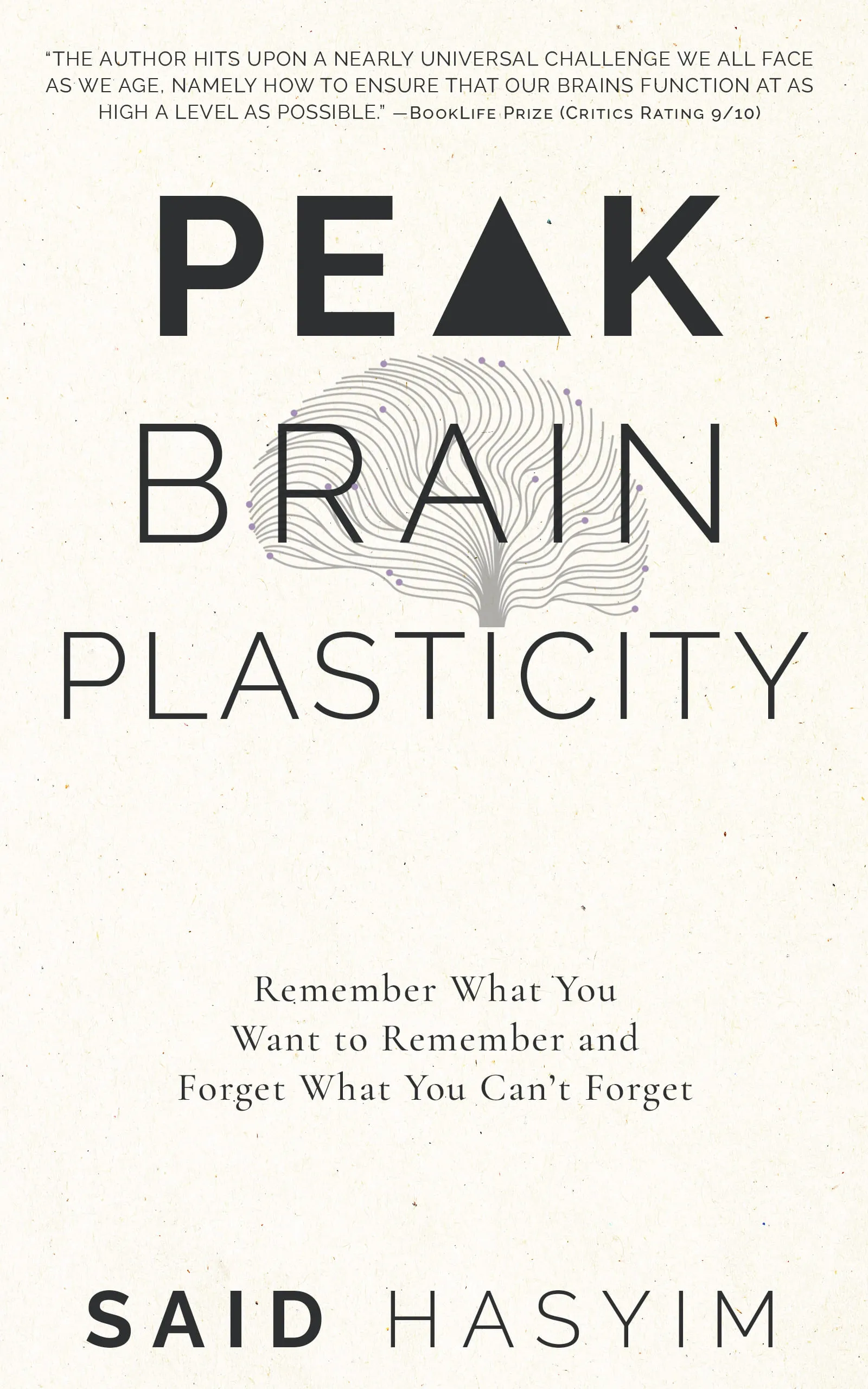
Harness the Power of Neuroplasticity
Discover Peak Brain Plasticity, a practical book to harnessing neuroplasticity. Enhance your memory, learn new languages quickly, and alleviate anxiety with effective study methods. Uncover daily habits that impact cognitive health and explore techniques for accelerated learning and memory retention. Unlock your brain's potential for growth and transformation.